How an Industrial Electrician in North Bay Supports Safe, Code-Compliant Machine Power and Controls
Moving a press across a plant floor looks simple until the electrical scope lands on someone’s desk. Feeder sizing, overcurrent protection and a disconnect within sight of the machine all matter. An industrial electrician in North Bay starts with the nameplate data, then works outward to the panel. Guesswork at that stage usually shows up later.
Before the Cable Ever Gets Pulled
Circuit Sizing Matched to the Load: Nameplate current, duty cycle and starting method decide conductor size and breaker rating. A qualified industrial electrician in North Bay also checks voltage drop across long runs, since a motor starved of voltage runs hot and fails early. Undersized conductors rarely pass inspection, and they rarely last. Rework then costs more than the original job.
Protection Devices and Disconnect Placement: Every machine needs a means of disconnection that a technician can reach and lock. Experienced North Bay electrical contractors position that disconnect within sight of the equipment, then coordinate breakers and fuses so a fault trips the nearest device instead of the main. Selective coordination keeps one failure from stopping the floor.
Where Shortcuts Turn into Shutdowns
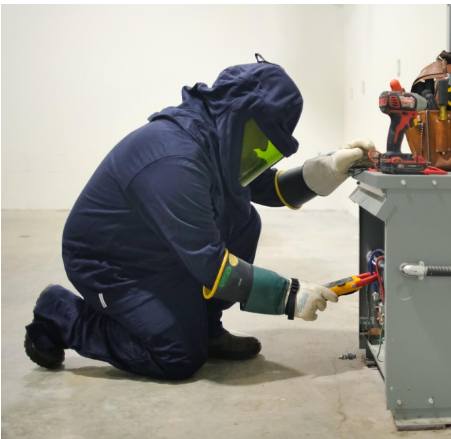
Hazards Hiding behind a Quick Hook-Up: A non-compliant installation carries risks that stay hidden until something goes wrong. Weak electrical grounding leaves a machine frame live during a fault, and the operator becomes the path to earth. Insulation degrades quietly under an unbalanced supply. Insurers ask hard questions once an incident report reaches them. Safety audits tend to find the same faults twice.
Lockout Points the Next Technician Can Find: Clear labelling costs almost nothing during install and saves hours later. Panel schedules, circuit tags and lockout points let a technician isolate one machine without stopping the line. An industrial electrician in North Bay documents the work as it goes, so drawings still match the plant two years on. That habit pays off during every audit.
Wiring the Logic behind the Machine
Control Circuits Built for Real Conditions: Control wiring sits at low voltage, yet it decides whether a machine starts, stops or holds. Start-stop stations, safety relays and interlocks need correct conductor sizing and separation from power cabling. A properly rated circuit breaker on the control transformer primary protects everything downstream when a short develops. Shared conduit invites nuisance tripping.
- A disconnect within sight of the machine, able to accept a padlock
- Overcurrent protection sized to the nameplate rating
- Bonding to the machine frame verified by test before start-up
- Panel schedule updated the same day the circuit goes live
- Drawings handed to the maintenance team at close-out
Passing Inspection at the First Attempt: The Electrical Safety Authority inspects machine installations against the Ontario Electrical Safety Code, and CSA standards govern the equipment itself. Established North Bay electrical contractors file the permit, book the inspection and stay on site to answer questions. A failed inspection stalls production far longer than the extra planning would have.
Power Ready for the Next Shift
Machine power done properly stays quiet for years, which is the point. Correct sizing, reachable disconnects, honest labelling and a permit on file cost less than one avoidable shutdown. Plans reviewed early rarely need reworking later. Call 705-825-2818 to book a site walk, or email andrew@syctr.ca for a scoping conversation on the next equipment move.
