Category: Health

Shockwave Therapy: Non-Invasive Healing for Chronic Pain
Chronic pain and persistent injuries often lead individuals down a path of seeking effective, non-invasive treatment options. Among the array of modern therapeutic approaches, shockwave therapy has emerged as a significant contender, offering a distinct method for stimulating the body’s intrinsic healing mechanisms. This treatment utilizes acoustic waves to target affected areas, aiming to alleviate discomfort and promote tissue regeneration where traditional methods may have fallen short.
The core principle behind shockwave therapy involves delivering controlled pulses of sonic waves to injured tissues. These waves create microtrauma, triggering a cascade of biological responses that include increased blood flow, cellular regeneration, and the breakdown of scar tissue. For those in the Lombard, IL area seeking advanced options for musculoskeletal issues, Shockwave therapy represents a non-surgical pathway to address chronic conditions that impact mobility and quality of life.
Many long-lasting injuries stem from incomplete healing, poor circulation, or the accumulation of stubborn scar tissue, which can leave an area vulnerable to recurring pain and weakness. Shockwave therapy works to counteract these underlying issues by boosting circulation, facilitating the breakdown of fibrotic tissue, and signaling the body to naturally repair damaged areas. This approach aims to stimulate healing at the source, offering a natural way to recover without relying on drugs, injections, or surgery, as highlighted by True Health Chiropractic and Acupuncture.
How Shockwave Therapy Works: A Deeper Dive
Shockwave therapy, often referred to as Extracorporeal Shockwave Therapy (ESWT) or Extracorporeal Pulse Activation Technology (EPAT), is a non-invasive treatment that harnesses acoustic waves. These waves are not electrical shocks but rather high-energy sound waves that interact with tissues in the body. When applied to an injured area, these waves generate a mechanical stress that stimulates a biological response.
The process typically involves a handheld device that delivers pulses of sonic waves to the targeted region. The energy from these waves penetrates the skin and soft tissues, reaching the underlying structures like tendons, ligaments, and bones. This mechanical stimulation is thought to induce several therapeutic effects:
- Neovascularization: The creation of new blood vessels, which improves blood supply and oxygen delivery to the injured area, essential for tissue repair.
- Cellular Regeneration: Activation of stem cells and growth factors that promote the regeneration of damaged tissues.
- Breakdown of Calcifications: In conditions like calcific tendinitis, the shockwaves can help to fragment calcium deposits, allowing the body to reabsorb them.
- Pain Reduction: The therapy can desensitize nerve endings, leading to immediate pain relief, and also trigger the release of endorphins, the body’s natural painkillers.
- Collagen Synthesis: Stimulation of collagen production, which is a crucial component for strengthening tendons and ligaments.
The precise mechanisms are still under active research, but the clinical outcomes observed suggest a powerful regenerative effect. This makes shockwave therapy a viable option for a range of musculoskeletal conditions that have not responded to more conservative treatments.
Conditions Benefiting from Shockwave Therapy
Shockwave therapy has demonstrated efficacy across a broad spectrum of musculoskeletal conditions, particularly those characterized by chronic pain and impaired healing. Its ability to stimulate natural repair processes makes it suitable for various soft tissue and bone issues.
Common conditions where shockwave therapy is often applied include:
- Plantar Fasciitis: Chronic heel pain caused by inflammation of the thick band of tissue running across the bottom of the foot.
- Achilles Tendinopathy: Pain and stiffness in the Achilles tendon, often due to overuse.
- Rotator Cuff Tendinopathy (Shoulder Pain): Inflammation or degeneration of the tendons surrounding the shoulder joint, sometimes with calcifications.
- Tennis Elbow (Lateral Epicondylitis) and Golfer’s Elbow (Medial Epicondylitis): Pain on the outside or inside of the elbow, respectively, due to tendon overload.
- Patellar Tendinopathy (Jumper’s Knee): Pain below the kneecap, common in athletes.
- Shin Splints (Medial Tibial Stress Syndrome): Pain along the shin bone, often seen in runners.
- Trochanteric Bursitis: Hip pain caused by inflammation of the bursa on the outside of the hip.
- Non-healing Fractures: To stimulate bone healing in cases where fractures have been slow to mend.
- Erectile Dysfunction (ED): Low-intensity shockwave therapy has shown promise in improving blood flow to the penis.
It’s important to note that while shockwave therapy is effective for many, it’s not a universal solution. A thorough assessment by a healthcare professional is crucial to determine if it’s the right treatment path for an individual’s specific condition.
The Treatment Experience: What to Expect
Undergoing shockwave therapy is a relatively straightforward process, typically conducted in an outpatient setting. Understanding what happens before, during, and after a session can help manage expectations and ensure a smoother experience.
Before Your Session
Prior to starting treatment, a comprehensive evaluation is necessary. This usually involves:
- Detailed History and Physical Exam: To understand the nature and duration of your pain, your medical history, and previous treatments.
- Imaging Studies: X-rays, ultrasound, or MRI may be ordered to accurately diagnose the condition and pinpoint the exact area requiring treatment.
- Treatment Plan Discussion: Your provider will discuss the expected number of sessions, potential outcomes, and any pre-treatment instructions.
During the Session
A typical shockwave therapy session is quick and non-invasive:
- Positioning: You will be positioned comfortably, allowing the practitioner easy access to the affected area.
- Gel Application: A coupling gel, similar to what is used in ultrasound, is applied to the skin over the treatment area. This ensures efficient transmission of the sound waves.
- Application of Shockwaves: The handheld device is placed on the skin, and the shockwaves are delivered. You will hear a clicking sound with each pulse.
- Sensation: Most patients describe the sensation as an intense pressure or tapping. While it can be uncomfortable, especially over an already injured area, it is generally well-tolerated. The intensity can be adjusted based on your comfort level.
- Duration: Each session typically lasts between 15 to 20 minutes.
After the Session
Immediately after the treatment, you can usually resume normal activities. There is generally no downtime.
- Immediate Effects: Some patients report immediate pain relief, while for others, the discomfort may return after a few hours or days.
- Post-Treatment Care: You may be advised to avoid strenuous activities for a short period, and your provider might recommend specific stretches or exercises. Over-the-counter pain relievers like acetaminophen can be used if needed, but anti-inflammatory drugs are often discouraged as they might interfere with the body’s natural inflammatory healing response.
- Course of Treatment: Most patients require between three to six sessions, typically spaced about a week apart, to achieve significant improvement. The exact number depends on the condition and individual response. Progress is tracked throughout the treatment course, and adjustments are made as needed.
Considerations and Potential Drawbacks
While shockwave therapy is generally considered safe and effective, like any medical procedure, it has potential considerations and situations where it might not be suitable.
Who is a Good Candidate?
Good candidates for shockwave therapy are typically individuals experiencing chronic musculoskeletal pain that has not responded to other conservative treatments such as rest, physical therapy, or medication. It’s often considered before more invasive options like injections or surgery. Active individuals and athletes seeking a quick return to activity often find it appealing due to minimal downtime.
Who Should Not Receive Shockwave Therapy?
There are certain contraindications where shockwave therapy should be avoided:
- Pregnancy: Not recommended for pregnant women.
- Blood Clotting Disorders or Anticoagulant Use: Individuals on blood thinners or with clotting issues may be at higher risk of bruising or hematoma.
- Malignancy: Treatment over areas with known or suspected cancer.
- Growth Plates: Avoidance over open growth plates in children and adolescents.
- Acute Inflammation or Infection: Not suitable for areas with active infection or acute inflammation.
- Nerve or Major Blood Vessel Proximity: Caution is exercised when treating areas close to major nerves or blood vessels.
- Corticosteroid Injections: It’s generally recommended to wait several weeks after a corticosteroid injection in the treatment area before undergoing shockwave therapy.
- Severely Torn Tissues: If a tendon or ligament is almost fully torn, shockwave therapy could potentially worsen the tear.
- Osteoporosis: Individuals with significantly low bone density may be at risk of stress fractures.
Potential Side Effects
While rare, some temporary side effects can occur:
- Mild Pain or Discomfort: During and immediately after the treatment.
- Redness or Swelling: At the treatment site.
- Bruising or Petechiae: Small red spots due to minor bleeding under the skin.
- Numbness or Tingling: Temporary nerve irritation.
These side effects are usually mild and resolve within a few days. It’s crucial to discuss your full medical history and any concerns with your healthcare provider to ensure shockwave therapy is a safe and appropriate option for you.
Understanding the Financial Aspect
When considering shockwave therapy, the cost and insurance coverage are often key questions for patients.
Shockwave therapy is FDA approved, recognized for its safety and effectiveness. It is also eligible for Flexible Spending Accounts (FSA) and Health Savings Accounts (HSA). However, it is generally not covered by major medical insurance plans. This means that many patients will pay for the treatment out of pocket.
Despite not always being covered by insurance, many individuals choose shockwave therapy because it often provides results when other treatments have failed. The cost of a full course of shockwave therapy is frequently less than that of injections or surgical procedures, making it a potentially more economical choice in the long run for chronic conditions. It is always advisable to inquire about the specific costs and payment options with your provider before beginning treatment.
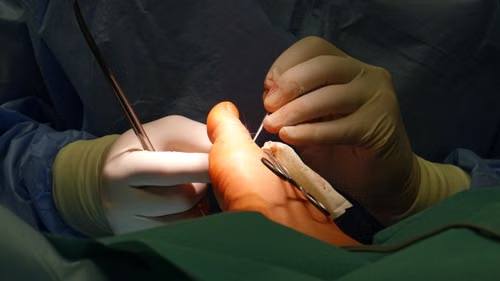
Unique Incision Surgery in Houston Combines Cosmetic Benefits with Effective Foot Treatment
Nobody wants to trade a bunion for a scar that draws so much attention. That worry keeps plenty of people limping along for years. Unique incision surgery in Houston answers both concerns, fixing the deformity while tucking the cut where nobody will ever look for it. The pain goes. So does the evidence.
Where Surgical Skill Meets a Cleaner Result
Placement That Hides the Work: Cutting along natural skin creases or on the side of the toe changes what healing looks like months later. Board certified surgeons performing unique incision surgery in Houston plan each entry point around anatomy first, appearance second, and neither one suffers for it. The correction stays complete. The mark fades into a fold most people never notice.
Ankles Deserve the Same Care: The same thinking applies above the foot. Skilled providers of ankle surgery in Houston repair torn ligaments, fractures, and worn joints through smaller, smarter openings that spare healthy tissue. Less disruption under the skin means less swelling after. Patients get a stable ankle back, and the leg they show at the pool still looks perfect.
What Happens after the Operating Room Matters Most
Healing Starts the Moment Surgery Ends: Even a perfectly placed cut can heal badly if nobody follows the post care plan. Keeping the site clean, elevating the foot, and avoiding early weight bearing all limit how much scar tissue forms beneath the surface. Skipping those steps invite thick, raised healed scars. Weeks of discipline protect months of surgical work.
Nutrition and Rest Pull Real Weight: Bodies repair on their own schedule, though patients can help or hurt that timeline. Protein, hydration, and quality sleep all feed wound healing at the cellular level, something surgeons stress at every follow up visit. Smoking slows everything down. So does rushing back into tight shoes. Small daily choices decide whether recovery takes six weeks or drags into three months.
Walking Out with Confidence, Not Just Correction
Cosmetic Results Change How Patients Feel: Something shifts when people stop hiding their feet. Patients who choose unique incision surgery in Houston describe wearing sandals again, going barefoot at the beach, standing through long shifts without wincing. The physical fix matters. The mental one might matter more. Confidence returns quietly, one open toed shoe at a time.
Modern Techniques Keep Raising the Bar: Advances in imaging, hardware, and anesthesia have changed what patients should expect from ankle surgery in Houston compared with a decade ago. Smaller openings, faster discharge, better pain control. Some procedures now finish in under an hour. Anyone told years back that surgery meant a long ugly scar deserves a second opinion, because that answer has aged badly.
Signs the Recovery Is on Track:
- Incision lines settle into natural creases within a few months
- Swelling drops steadily instead of lingering
- Full weight bearing returns on schedule
- No thick or raised marks along the site
- Shoes fit the way they did before the problem started
Feet That Look as Good as They Feel
Foot pain steals more than comfort. It takes away hobbies, work time, and the simple pleasure of a life. Walking, running or just living life becomes an issue. A consultation with an experienced foot and ankle surgeon settles what months of guessing never will. Schedule an appointment, ask the hard questions, and start walking toward a stronger, better-looking outcome.
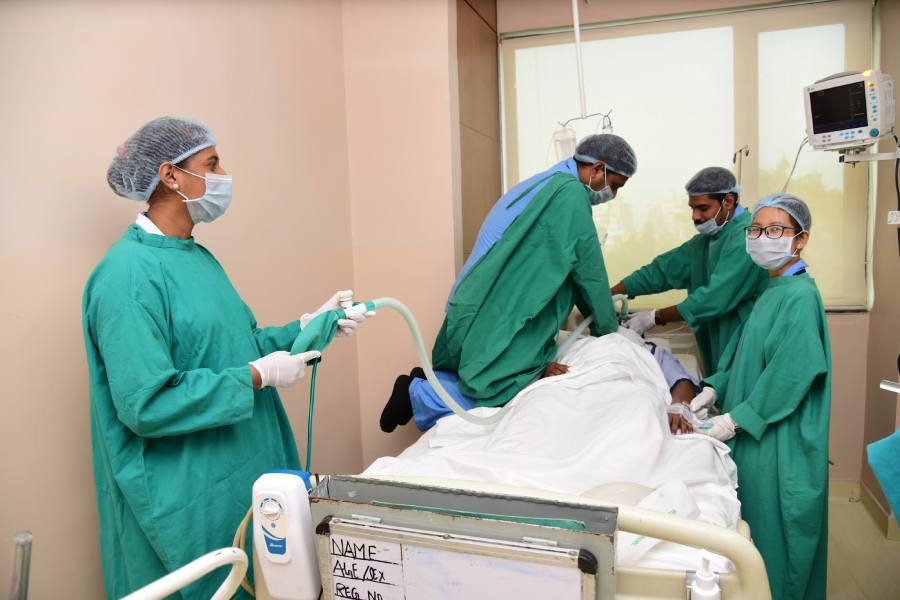
Emergency care hospital infrastructure makes every second count during medical emergencies
A patient in crisis does not have the luxury of waiting. Stroke, severe trauma, breathing failure, each of these punish and delay harshly. An emergency care hospital exists for precisely this reason. The building, the machines, the trained hands inside it, all of it works towards one thing. Buying back the minutes that a medical emergency tries to steal from the patient.
Why the first hour decides so much
Immediate Access To Life-Saving Equipment: An emergency care hospital gives critically ill patients direct access to advanced diagnostic scanners, ventilators and fully equipped intensive care units the moment they arrive. There is no transfer, no referral chase, no ambulance ride to a second facility. The CT scan happens in minutes. Ventilator support begins at the bedside. That speed of attention changes outcomes.
Every Speciality Under One Roof: A super speciality hospital Ranchi residents can depend on brings cardiology, neurology, nephrology and surgical teams into the same emergency response. When a patient arrives with chest pain that turns out to be something else entirely, the right specialist is already in the building. Nobody wastes an hour deciding where to send the patient next.
The people behind the machines
Intensivists Who Live In The ICU: Machines alone save nobody. Experienced intensivists read subtle changes in a patient’s condition hours before a crisis becomes visible. A patient recovering from cardiac arrest needs continuous monitoring, adjusted medication and quick judgement calls through the night. Round-the-clock intensivist presence, not on-call arrangements, is what separates adequate care from genuinely protective care.
One Team, Not Separate Departments: The best outcomes come when emergency physicians hand over patients to critical care teams without friction. An emergency care hospital built around integration means the intensivist already knows the case history before the patient reaches the ICU floor. Treatment continues in one unbroken line rather than restarting at every handover point.
Specialists Who Respond Together: A road accident victim may need a trauma surgeon, an orthopaedic consultant and a neurologist within the same hour. Suspected traumatic brain injury cannot wait for morning rounds. Multidisciplinary teams that assemble fast, share findings openly and act on a single treatment plan give complicated cases their fairest chance at recovery.
What integrated critical care actually looks like
The difference shows up in small, practical details that families rarely see until they need them:
- Dedicated resuscitation bays kept ready at all hours
- ICU beds with ventilators, dialysis support and cardiac monitoring in one place
- Blood bank and laboratory services inside the hospital, not outsourced
- Ambulance teams trained to begin stabilisation before arrival
None of these sound dramatic on paper. Yet each one removes a delay that could otherwise cost a life. Together they form a chain, and the chain holds only when every link does.
Comprehensive Treatment Beyond The Emergency: Survival is only the first step. A super speciality hospital Ranchi families trust continues care well past the crisis, moving patients from ICU to specialist rehabilitation without losing momentum. Recovery from severe illness takes weeks. Having every stage handled within one campus spares families the exhausting search for the next facility.
Ready today, protected tomorrow
Emergencies give no warning. Knowing where advanced critical care is available, before anyone in your family needs it, is a decision worth making now. Speak with a hospital that combines emergency response, intensive care and super speciality expertise, and keep that number where you can find it fast.

Understanding Your Body Image Through Spiritual Meditation
Most people look at their bodies and are discontented. We tend to compare ourselves to others and think we are not good enough. Spiritual meditation can help in overcoming this issue, helping you understand yourself, feel more comfortable, and become one with your body and mind.
We are socialised early in life about how we should look, receiving messages from family, friends, TV, social media and even school. Over time, we start believing these messages. We lose confidence in our voice. We strive to change our bodies to fit. Change should, however, be internal. Spiritual meditation helps you to pause and listen. You stop judging yourself. You start accepting yourself. That is the way to come closer to oneness.
What is spiritual meditation?
It’s not sitting in silence that makes you a better worker or a more focused student. It’s a practice to become more you. To understand your body, your mind, your past, your stories, and how society shaped all of it. What is spiritual meditation? It’s looking inward so you can stop chasing every outward expectation.
How body image problems begin
Many people experience body image problems from a young age. Even kids start wishing they looked different. This shows that body image issues are taught by society. The idea of a “perfect body” is everywhere. Spiritual meditation helps you stop and ask—Do I really believe this, or was I told to?
Who faces body image issues?
Everyone. Women, men, children, and people of all genders. No one is free from it. Some people face more pressure than others. But everyone feels the impact of judgment. People even face comments from friends or family. This can make them feel ashamed. Spiritual meditation helps you question these thoughts and grow past them.
Why oneness matters
Oneness means feeling whole. When you are in oneness, you do not feel broken or less than. You stop thinking about changing your body. You start accepting it. You realise that your worth is not in how you look. This can happen when you practice spiritual meditation often.
What you can do
Here are five simple things you can try:
- Sit quietly and focus on your breath for five minutes a day.
- Write down in your journal how you feel about your body without judging it.
- Think about where those feelings come from—yourself or others.
- Talk kindly to your body, like you would to a friend.
- Ask yourself: “Is my body helping me live the life I want?”
The goal is peace, not perfection
You do not have to love your body all the time. But you can try to feel okay with it. You can try to be at peace. That is the real meaning of oneness. That is how spiritual meditation can help you. You do not need to be perfect. You just need to feel whole.
Your body is more than how it looks. It is how you live, feel, and move. Start the journey back to yourself. Try spiritual meditation. Work toward oneness. It will not happen in one day. But it can begin today.
Featured Image Source: https://img.freepik.com/free-photo/fantasy-astral-wallpaper-composition_23-2150248020.jpg

Undergoing Breast Reconstruction? Here’s How Specialists Support the Journey
The path through breast cancer treatment changes everything for women who face this challenge. Surgery saves lives, but it also leaves women facing a new reality about their bodies and self-image. The mirror becomes a reminder of what was lost during the battle against cancer. Sleep patterns shift, clothes fit differently, and relationships feel strained under the weight of physical and emotional change.
Many women discover that breast surgeons in London offer reconstruction options that go far beyond simple cosmetic procedures. These specialists understand that rebuilding isn’t just about physical appearance or meeting medical requirements. It’s about reclaiming a sense of wholeness that cancer tried to steal away from patients. The expertise goes beyond technical skill to encompass emotional understanding and comprehensive patient care.
The decision to pursue breast reconstruction brings its own set of questions and fears that can feel overwhelming. Will the results look natural and feel comfortable in everyday situations? How many surgeries will be needed to achieve the desired outcome? What if something goes wrong again during the reconstruction process? These concerns are normal and perhaps even expected after such a traumatic medical experience.
Understanding Your Reconstruction Options
Different techniques suit different situations across the reconstruction journey for each individual patient. Implant-based reconstruction uses silicone or saline devices to recreate breast shape effectively and safely. This approach typically requires fewer surgeries and shorter recovery times overall for most patients. The procedure can often be completed in stages for patient comfort and optimal healing.
Tissue-based reconstruction, known as flap surgery, uses the patient’s own tissue from areas like the abdomen or back. The results often feel more natural, though the process takes longer to complete than implant-based methods. This method involves multiple surgical sites during the recovery period, requiring careful post-operative care. Some women prefer this approach for the authentic feel it provides and long-term results.
Some women choose a combination approach that blends different reconstruction methods together for optimal outcomes. This might involve an implant with additional tissue coverage for better results and natural appearance. Staged procedures build results over time with careful planning and consideration of individual healing patterns. Each method has distinct advantages depending on individual circumstances and preferences of the patient.
The Emotional Side of Physical Recovery
Reconstruction doesn’t erase the cancer experience or immediately restore confidence for most women. Many women expect their new breast to fix everything, but healing involves more than surgical skill. The process takes time, patience, and often requires professional support during the recovery journey. Emotional healing follows its own timeline that doesn’t always match physical recovery expectations.
Body image concerns don’t disappear overnight, and some days feel better than others during recovery. Partners may need guidance on how to provide support without being overwhelming or intrusive. Children might have questions that feel impossible to answer in age-appropriate ways. The emotional journey continues long after physical healing has been completed successfully.
Support groups help many women navigate these challenges by connecting them with others who understand. Talking with others who understand the experience reduces isolation and provides practical guidance. They provide practical advice about recovery and emotional healing that medical professionals cannot always offer. Shared experiences create bonds that medical professionals cannot replace through clinical care alone.
Working with Your Surgical Team
The relationship between the patient and surgeon shapes the entire reconstruction journey from consultation to final results. Good specialists listen to concerns without rushing through consultations or dismissing patient anxieties. They explain options in clear language and set realistic expectations about outcomes and recovery. Trust builds through honest communication and genuine care that extends beyond the operating theatre.
Photography helps document the process and plan results while tracking progress throughout the reconstruction journey. Measurements ensure symmetry between reconstructed and natural tissue for the best possible aesthetic outcome. Some surgeons use 3D imaging to show potential outcomes before surgery begins, helping patients visualise results. Visual aids help patients make informed decisions about their care and feel more confident.
Regular follow-up appointments monitor healing and address concerns as they arise during the recovery process. These visits provide opportunities to discuss any adjustments needed for optimal results and patient satisfaction. Open communication prevents small issues from becoming larger problems that could affect final outcomes. The relationship continues well beyond the initial surgery and extends through the entire healing process.
Planning Your Recovery Timeline
Immediate reconstruction happens during the same surgery as mastectomy, allowing patients to wake up with the desired shape of their breasts. This approach means waking up with some breast shape already in place for psychological comfort. Though further procedures will likely be needed to refine results and achieve final outcomes. Many women find this approach helps them cope better with the initial shock of diagnosis.
Delayed reconstruction allows time for cancer treatment to be completed and healing to occur naturally. Some women prefer this approach because it lets them focus on cancer treatment first. It also provides time to research options thoroughly and make informed decisions about reconstruction methods. The delay can actually benefit some patients by allowing complete healing before additional surgery.
Recovery times vary based on the chosen technique and individual healing patterns of each patient. Most women need several weeks off work and help with daily activities during initial healing. Physical therapy may be required to restore full range of motion and strength. The timeline often extends longer than initially expected, requiring patience and realistic expectations.
Managing Expectations and Complications
Reconstruction results improve over time as swelling reduces and tissues settle into their final position. The final appearance may not be apparent for several months after the last procedure. Patients need to understand that healing is a gradual process that requires time and patience. Realistic expectations help prevent disappointment and support better emotional adjustment to the new body.
Complications can occur with any surgery, though modern techniques have significantly reduced risks overall. Infection, implant problems, or healing issues might require additional procedures or changes to the original plan. Most complications can be managed successfully with prompt medical attention and appropriate treatment. Open communication with the surgical team helps identify and address issues quickly when they arise.
Most women report satisfaction with their reconstruction results, though the process often takes longer than expected. The journey requires patience, realistic expectations, and strong support from family and medical professionals. Success is measured not just in physical appearance but in restored confidence and quality of life. The investment in reconstruction often pays dividends in improved self-esteem and emotional wellbeing.
Long-term Care and Monitoring
Reconstructed breasts require ongoing attention and regular monitoring throughout a woman’s lifetime after surgery. Implants may need replacement after 10-15 years due to normal wear or changes in technology. Tissue-based reconstructions might change shape over time as the body ages and weight fluctuates. Regular check-ups help identify any issues early and maintain optimal results over time.
Regular check-ups help identify any issues early and allow for timely intervention when needed. Some women need occasional adjustments to maintain symmetry or address changes in the opposite breast. These minor procedures can often be performed as outpatient surgery with minimal recovery time. Maintaining a good relationship with the surgical team supports long-term success and patient satisfaction.
Mammograms and other screening tests continue to be important for cancer surveillance throughout life. Though techniques may need modification for reconstructed tissue, screening remains essential for health monitoring. Patients should inform radiologists about their reconstruction to ensure appropriate screening methods are used. Regular screening provides peace of mind and early detection of any potential issues.
Beyond Physical Reconstruction
Many women find that reconstruction helps them move forward psychologically and emotionally after cancer treatment. Having clothes fit normally again reduces daily reminders of cancer treatment and its effects. Intimate relationships often improve as confidence returns and physical comfort is restored. The psychological benefits often exceed expectations and contribute significantly to quality of life improvements.
The process teaches valuable lessons about resilience and self-advocacy that extend beyond medical care. Women learn to speak up for their needs and trust their instincts about their care. This empowerment often extends to other areas of life, creating positive changes beyond reconstruction. The experience can become a source of strength and inspiration for facing future challenges.
Some discover new appreciation for their bodies and what they’ve survived during the cancer journey. Others find purpose in helping other women facing similar decisions and challenges ahead. Volunteering or mentoring can provide meaning and help process the experience in positive ways. The reconstruction journey often becomes part of a larger story of survival and growth.
Breast reconstruction offers hope for women rebuilding their lives after cancer treatment and surgery. The journey requires patience, realistic expectations, and the right surgical team to provide technical skill. Emotional support is equally important as surgical expertise in achieving successful outcomes for patients. Every woman’s path looks different, but the goal remains the same for everyone.
If you’re considering reconstruction, speak with specialists who understand both the medical and emotional aspects. Take time to explore your options and choose the approach that feels right for you. The decision should align with your personal goals, lifestyle, and expectations for the future.
Featured Image Source: https://img.freepik.com/free-photo/woman-marked-out-cosmetic-surgery_273609-14499.jpg

Spinal Stenosis: When Spine and Bone Specialists Collaborate
Spinal Stenosis is a painful condition that occurs when the space between the spine narrows, which leads to putting pressure on the nerves and the spinal cord. The spinal stenosis causes pain, numbness, and weakness, which then restricts movement. Consulting two specialty doctors of spine and bone at an early stage helps in decreasing the advancement of the diseases and helps in preventing any further complications.
A bone doctor in Ranchi assesses the skeletal structure and determines if any underlying bone problems are causing spinal stenosis. These spine and bone doctors work together to provide correct diagnosis, and comprehensive care focusing on spine health and orthopedic expertise. The multispeciality hospital and its special team of doctors work to deliver accurate diagnoses and personalised treatment plans.
Patients with Spinal stenosis have symptoms such as back pain, tingling sensations, or muscle weakness. These patients must consult a spine doctor in Ranchi and a bone specialist. It is best advised that you consult a multispeciality hospital, as it has state-of-the-art equipment, modern tech, and world-class doctors with different specialties working together to ensure optimal diagnosis, treatment and optimal care is best for patient recovery. Bone and Spinal specialists’ medical education helps them assess the condition’s severity and suggests treatment options, from more conservative therapy up to surgical intervention when appropriate.
How Spine and Bone Specialists Work Together
Functional medicine is critical to successfully addressing your spinal stenosis. The spine specialists address the nerve issues, and then the orthopedic doctors evaluate bone health. Collaborative care allows them to formulate treatment plans that target both nerve compression and structural stability.
Treatment options may also include physical therapy, pain management, and lifestyle changes. In extreme cases, surgery may be necessary, in order to relieve pressure on the nerve. The collaboration of the specialists provides an added value in patient management, lowering the risk and enhancing the chances of recovery.
Spinal stenosis as a progressive disease needs to be followed up and monitored regularly. A joint treatment plan between spine and bone specialists can halt further degeneration and provide greater long-term mobility.
Diagnosis and Early Detection
Spinal stenosis can lead to serious complications if not diagnosed early. Imaging tests, including X-rays, MRI scans, and CT scans, allow specialists to assess spinal narrowing and nerve compression. These diagnostic tools assist in determining the severity of the condition and directing the approach to treatment.
A complete physical exam is performed, including assessing the reflexes, strength of the muscles, and limitations of mobility. This comprehensive evaluation helps specialists customise treatments to each patient’s unique requirements. Early signs of discomfort are often indications for a need to seek medical attention which can help ensure one lives a better quality of life.
Non-Surgical Treatment Approaches
The vast majority of cases of spinal stenosis don’t need surgical treatment.
Non-invasive therapies center on pain relief and preserving spinal mobility. Physiotherapy is very useful for strengthening the muscles and spine and is beneficial for distributing the pressure on the body whenever there is an issue due to poor posture for sleep.
Anti-inflammatory drugs and pain relievers like ibuprofen manage symptoms. In certain cases, epidural steroid injections may be advised to decrease inflammation and nerve irritation. These methods offer relief and postpone surgical intervention.
Lifestyle changes are part of treatment approaches, such as ensuring healthy weight maintenance, engaging in low-impact exercises, and adopting practices which are ergonomics practices, which all together help in the management of the condition effectively. It is very important for proper posture and to ensure physical activity, which contributes to improved spinal health and, for sure, helps in reducing discomfort.
When Surgery Becomes Necessary
However, if conservative treatments do not help, surgery may provide the best outcome. Laminectomy and spinal fusion are procedures that can be performed for additional space and stabilisation of the spinal canal. These procedures are performed with the goal of decompressing the nerve and restoring motion.
Conclusion
Spinal stenosis can greatly affect your daily life; however, with the care of the proper medical professionals, it is manageable. Having both a spine doctor and a bone doctor will open the treatment for nerve and structural issues. A careful treatment plan and prompt medical care let patients live more comfortably and improve their wellbeing.
Featured Image Source: https://img.freepik.com/free-photo/young-latin-woman-wearing-physiotherapist-uniform-holding-anatomical-model-vertebral-column-physiotherapy-clinic_839833-8027.jpg

How a Wellness Retreat in the holy town of Rishikesh Can Transform Your Mind and Body
The fast pace of modern life almost always drives you to stress, fatigue, and imbalance, which affect both mental and physical health. A haven to foster the inner peace and revival vital for long-term well-being is hard to come by. Rishikesh, a famous spiritual centre, is the perfect ground for profound personal transformation through holistic healing and mindfulness. A structured retreat in this sacred town can offer deep relaxation, clarity, and rejuvenation.
Wellness Retreat: The Power Behind It
The peaceful ambience of the Himalayas and the sacred Ganges creates the perfect aura for self-exploration and healing in a wellness retreat in Rishikesh. With regular practice and the push from nature helps individuals to get their wellness in order.
Yoga-Meditation for Mental Clarity
Yoga significantly contributes to flexibility, strength, and stability of the mind. Then again, some retreats deliver other specialized programs, such as 200-hour yoga teacher training in Rishikesh, which deepens understanding of yoga philosophy and techniques. These intensive programs not only refine personal practice but also equip students with the skills to guide others on their journey to wellness.
Ayurveda and Holistic Healing
Ayurveda, an ancient medicine art, forms the basic medical thrust of wellness retreats. Treatments such as detox, herbal formulas, and recommended diets provide the much needed balance to the body. This cleansing procedure expels toxins and revitalizes the inner system. Herbal massages and oil therapies facilitate circulation and relaxation and reduce stress. These therapies are done hand-in-hand with yoga and meditation for pure healing.
Connecting to Nature: Physical Rejuvenation
Nature introduces effective healing in the mind and body. The serene environment of Rishikesh allows participants to reconnect with nature activities like guided nature walks, river meditations, and outdoor yoga workshops. The presence of mountains and flowing water brings a sense of grounding and emotional stability. With no digital distractions, beauty from nature enhances relaxation while clearing the mind and promoting mindfulness.
Stress Reduction and Emotional Well-Being
The structure allows proper thought-repatterning away from daily stress modes. Guided mindfulness practices allow participants to take control of their feelings, improving their self-awareness and helping them better handle emotional pressure. Being in the present has a very positive reinforcement effect on mental well-being. This new attitude goes well beyond the treatment period, allowing people to gain mindfulness daily.
An Experience to Transform Towards Longevity
The retreat for wellness at Rishikesh cannot be termed a short burst of escape. Still, it is an efficient journey on a long path leading to wellness since an elaborate blend of yoga and meditation, Ayurveda, and living with mindfulness propels the participant to make definite and lasting changes in lifestyle. Each participant is more aware of the connection between body and mind, along with some concrete tools to help maintain balance in everyday life. A new retreat experience works on self-discipline, growing healthy habits, and feeling a new lease on purpose.
Conclusion
Attending a wellness retreat at Rishikesh is one of those rare experiences that recharge the mind and spirit. Integrating yoga, meditation, Ayurvedic therapy, and nature helps create a transformed experience that induces overall well-being. Whatever the reason—some stress relief, self-discovery, or long-term health improvement—a retreat at Rishikesh provides an ideal milieu for meaningful personal transformation.
Featured Image Source: https://images.pexels.com/photos/289586/pexels-photo-289586.jpeg?auto=compress&cs=tinysrgb&w=600

The Best Ways to Treat Foot Pain: Tips from Leading Podiatrists
Pain in the feet is a severe issue. Whether it is a sharp sting, a dull ache, or a persistent throbbing, walking and even standing can transform into painful tasks. Luckily, there are ways to treat foot pain without any hassle. Leading podiatrists have shared their techniques to relieve this pain while ensuring overall foot health.
Here are some of the tips on how to treat foot pain in Houston:
1. Recognize the Source of Your Foot Pain
While treating pain is essential, diagnosing the reason behind the suffering is crucial. Some reasons your feet may be hurting are:
- Plantar Fasciitis: This is heel pain ignited by the swelling of the plantar fascia.
- Bunions: This issue is a bony bump on the base of the big toe.
- Flat Feet: This issue results from collapsing arches, which leads to strain and discomfort.
- Arthritis: Joint pain or stiffness.
- Wrong Shoes: Certain high heels, ill-fitted shoes, or non-supporting footwear can cause these problems.
Identifying the cause increases the effectiveness of the treatment. If the pain is major or constant, it is best to seek proper advice from a podiatrist.
2. Buy Suitable Shoes
Your personal choice of shoes can improve or interfere with your foot health. Recommended shoes by leading podiatrists are:
- Shoes made of soft material with cushioning and excellent arch support.
- A straighter section with plenty of wiggle room to eliminate toes from being pushed together unnaturally.
- Do not wear high heels or narrow shoes for a long time.
- Wear proper shoes and replace them before they show signs of wear.
- Special orthotic insoles can help support your feet if you have plantar fasciitis.
3. Muscle Stretches to Make Your Feet Stronger
Feet, just like any body part, can get weak and stiff if they do not get proper exercise. Here are some stretches approved by podiatrists:
- Toe stretches: Pulling your toes upwards to stretch the base of your foot.
- Calf stretches: Tight calves make foot pain worse. Stretching and loosening your calves can help.
- Towel scrunches: Place a towel on the floor, grab it with your toes, and pull it towards you. This exercise will help strengthen your feet.
Doing these regularly can make you more flexible and alleviate pain over time.
4. Home Remedies for Quick Relief
Try these simple remedies when your feet are hurting:
- Ice packs: Applying ice can relieve inflammation and numb the pain area.
- Epsom salt soak: Soaking your feet in hot water can help relax tensed muscles and ease blood flow.
- Massage: If you suffer from plantar fasciitis, rolling a frozen water bottle under your feet can be very effective.
5. Achieve a Balanced Weight
Every extra pound causes additional strain on the feet, leading to discomfort and problems such as plantar fasciitis. Even insignificant weight loss can help alleviate foot pain significantly.
6. Consult When Required
Consider seeing the top podiatrists in Houston when your foot pain persists despite your home remedy efforts. Here’s what they may suggest:
- Custom-made orthotics that provide better support.
- Stronger foot muscles through physical therapy.
- Pain relief via medications or injections.
- Surgery is required in extreme cases, such as severe bunions or toes that curl.
Conclusion
Comfortable shoes, stretching, and taking care of your feet prevent and help to treat the most common foot pain. You don’t have to live with it! And when your case is more serious, a foot doctor will help you resolve everything correctly.

Importance of High-Protein Meals for Post-Workout Recovery
You’ve just crushed it at the gym (or, at least, survived it), and now your muscles are crying out for some TLC. What better way to treat them than with some protein-packed goodness? Let’s talk about high-protein meals that’ll have you flexing your culinary muscles – because your post-workout meal should be as strong as you are.
1. Protein – The Hero of the Hour
Your muscles are like a sponge right now. They’ve been beaten, torn, and they need to rebuild. What do they need? Protein. Think of it as the bricklayer that helps your muscles rebuild themselves stronger and better than before. High-protein dinner recipes can help fuel your body and promote muscle recovery after workouts, providing balanced nutrition.
Now, don’t go reaching for some sad protein bar that tastes like cardboard – there are far tastier options! Chicken breast, lean beef, and fish are your trusty sidekicks here. They’re packed with protein, and they’ll keep your muscles happy. A couple of eggs post-workout? Even better. Egg whites are like the protein superheroes you never knew you needed.
2. Carbs: Yes, You Heard Right, Carbs
Okay, okay – we know carbs are often treated like the villain in your diet. But after a workout? They’re your best mate. Why? Because they’ll refill the energy stores that you just emptied during your session. Think of them like the petrol to your sports car.
Get friendly with sweet potatoes, brown rice, or whole grains. These carbs are the slow-burn type, meaning they’ll give you energy without spiking your blood sugar and then leaving you face-down in a food coma. Plus, they taste bloody good.
3. Healthy Fats – Don’t Forget Them
Alright, I know what you’re thinking: “Fats? Isn’t that a no-go?” Not if you’re getting them from healthy sources. Avocado, olive oil, and nuts should be your go-to fat sources. Healthy fats help with hormone production (hello, muscle growth), and they’ll keep you feeling full and satisfied.
Toss a few avocado slices on your post-workout chicken salad, or drizzle some olive oil on your roasted veggies. Your body will thank you for it.
4. The Magic of Protein Shakes
Look, we get it – some days you just can’t be arsed to cook. And that’s fine! A protein shake is a lifesaver. Just chuck some protein powder, milk (or a dairy-free alternative if you’re fancy), and maybe a bit of fruit in the blender, and you’ve got yourself a post-workout snack that’s quick and protein-packed.
But here’s a tip: don’t settle for boring. Add a bit of peanut butter, a sprinkle of oats, or even some cacao nibs for extra flavour and texture. Suddenly, your shake feels like a proper treat. You’ve earned it.
5. Tasty Post-Workout Meals to Try
Let’s take things up a notch. Post-workout meals don’t have to be bland and tasteless. Get creative, and you’ll be licking your plate clean. Healthy protein chicken recipes are a great way to enjoy lean, nutrient-rich meals that support your fitness goals.
- Chicken Stir-Fry: Toss some chicken breast with a medley of veggies and a zingy sauce. It’s like a flavour explosion in your mouth – and your muscles will love it.
- Spicy Beef Tacos: Lean beef, some salsa, avocado, and wholemeal wrap. Boom – a taco that’s not just tasty, but packing protein like a champion.
- Protein Pancakes: Yup, you can have pancakes for dinner. Mix protein powder into your pancake batter, top with berries, and voilà – a treat that actually helps you recover.
6. When Should You Eat Your Post-Workout Meal?
Timing is everything. Ideally, you want to eat your post-workout meal within 30 to 60 minutes of finishing your workout. This is when your muscles are screaming for protein, and your body is in recovery mode. So don’t wait too long, or you might miss the magic window.
7. Hydration – Don’t Forget the H2O
Protein and carbs are the stars of the show, but hydration is the unsung hero. You’ve just sweated buckets in the gym, and your body’s begging for some water. Drink up, my friend. It’ll help transport all those lovely nutrients to your muscles and keep you feeling refreshed.
The key to post-workout recovery is balance. You don’t need to eat an entire cow after your workout, but you do need to refuel with the right nutrients. Protein, carbs, fats, and hydration – they all play a role in helping you recover and get stronger.
So, next time you’re finishing up a workout, don’t just collapse into the nearest couch with a chocolate bar. Take a moment to whip up something that’ll give your muscles what they need to grow. Trust me – your future self will thank you.
Featured Image Source: https://images.pexels.com/photos/3850213/pexels-photo-3850213.jpeg?auto=compress&cs=tinysrgb&w=1260&h=750&dpr=1

Signs That You Might Have Broken Your Bone: Consult an Orthopedic Doctor
Life can take an upheaval; unexpectedly, accidents and injuries can happen anytime when you least expect them. The most concerning outcome can be a broken bone. While some fractures have obvious signs, others may not be that apparent. Recognising the signs of a broken bone is important in order to seek immediate medical attention.
Whether you have fallen down due to a sports injury or because of an accident, a broken bone causes significant pain and further restricts mobility. If you suspect there is a fracture, then you must visit the best orthopedic doctor in Ranchi for an accurate diagnosis and get immediate, effective treatment to avoid any further complications.
The orthopedic doctor in Ranchi will help you confirm the extent of the injury. Orthopedic doctors are specialists in treating disorders of musculoskeletal issues, such as fractures and sprains. They provide the best care for a full recovery.
Knowing the signs and symptoms of a broken bone is extremely important for seeking treatment at emergency care because if the broken bone is not treated right, or there is delayed treatment, it can lead to long-term issues. Timely consulting an orthopedic doctor is very crucial.
Key Signs and Symptoms To Check If Its Broken Bone
Intense Pain at the Injury Site
The immediate sign of a broken bone is severe pain, which worsens if you move or put pressure. Unlike a bruise or sprain, the fracture pain tends to persist, even if you keep the affected area resting. If there is so much discomfort, it is best to get evaluated by an expert.
Swelling and Bruising
If there is a fracture, the body sends a signal by sending fluids to the site, so there will be extreme swelling. There can be bruising, which can damage underlying tissues, and blood vessels have been affected. If the swelling and bruising is excessive and is not subsiding, it is a potential case of a bone fracture.
Deformity or Misalignment
If you see any visible deformity or an unusual position of the affected limb, it is a strong indicator that there is a fracture. It is best not to move limbs and seek immediate medical assistance. The orthopedic specialist will use X-ray and other advanced imaging techniques to determine the exact site, nature and severity of the fracture.
Inability to Bear Weight or Move the Limb Or Unusual Sensations
It is a definite sign of fracture if you find it difficult or impossible to use the affected body part; for example, if you are unable to put weight on the leg or foot or lose grip strength in the arm, it all points towards a broken bone. If there is tingling, numbness, or feeling of pins or needles at the jury site, it could suggest nerve involvement along with fracture. An orthopedic doctor assesses nerves and blood vessels, ensures proper diagnosis, and ensures there is proper alignment and healing.
Visible Bone Protrusion
In extreme conditions, the fractured bone can cut through the skin, creating an open fracture. Such is a serious medical emergency requiring immediate attention. An open fracture is susceptible to infections and should be operated upon to treat it correctly.
Excessive Bleeding
Open fractures often tend to bleed profusely. If this happens, stabilising the injury must be a priority. You must elevate the area and head immediately to the emergency room. An orthopedic specialist will ensure that the bone and the tissues surrounding it are treated effectively.
Conclusion:
Recognising the signs of a broken bone or fracture is essential so that you seek timely treatment from an expert orthopedic doctor for full and effective recovery. It is always best to show to the doctor in case of accident or injury when there is mild discomfort or visible deformity. Never ignore potential fractures. Prompt consultation prevents any further complications and ensures faster recovery and minimal disruption to your daily life.
Featured Image Source: https://img.freepik.com/free-photo/aching-young-pretty-sporty-girl-wearing-headband-wristband-holding-her-injured-wrist-wrapped-with-bandage-with-closed-eyes-isolated-blue-wall_141793-100990.jpg?ga=GA1.1.841081849.1734379686&semt=ais_hybrid

Intrauterine Insemination Cost: Is It Cheap or Costly?
For most people, insemination might be the first step due to the lower invasiveness as compared to other family building techniques. That said in the hearts of many the questions that they have is, how much is this going to cost? It’s high time to talk about prices and cost so how much does IUI actually cost?
Types of Costs Associated with Intrauterine Insemination
Depressing as it is, the IUI treatment price can be anywhere from INR 10,000 to INR 15,000 which means even the sign up feels like an emotional rollercoaster. It all depends on where an individual is located and the clinic’s operational costs and the services the clinic intends on providing.
1. Which Area Do You Seek Service From:
Not only do urban clinics face a huge financial burden but their clinics also are more expensive, which elevates the cost. But it does erase the myth of the fact higher the cost the better experienced doctors you are treated by.
2. Reputation Of The Clinic
It has always been common knowledge that if the clinic you are getting your treatment from is a popular one they will definitely charge more. In comparison to that if you go for a moderately popular clinic chances of them charging a high price is less.
3. Test completion and all requirements: The Best Step
Although there is a need for a few blood tests, ultrasound, and a few medications, the base cost of the IUI procedure does not cover ovulation drugs.
4. Use of Drugs for IUI
If you have not achieved what you set out to achieve in the original cycles, then the imbuing drugs might prove to be quite necessary.
5. Need for Washes of Sperm in Procedure
An occasional requirement might exist to have some sperm washing prior to the procedure, thus resulting in an increased bill.
Four Tips That Come In Handy During IUI’s Payment Without Ruining Your Sanity
- Advance Research Helps
- Ask Your Clinic About Financial Packages
- Research into Insurance or Grants
- Investigate Other Medical Approaches
Is It Feasible, Especially Financially?
It varies significantly depending on what IUI you are being provided with within your specific fertility treatment plan. For a lot of women, it is a procedure that is enacted before moving on to IVF.
But if it results in needing multiple cycles, it definitely would be hard to consider the expense or emotional aspect during the process. Having realistic expectations assists you in focusing on this aspect more than on anxiety.
Conclusion
The first and the most important decision to make when opting for IUI or IVF is to choose the right doctor. Parenting a child requires a lot more than just expertise and the right doctor possesses the empathy and care needed to help you achieve your dreams in a personalized manner. Logically evaluate every detail from the clinic’s success rates, to facilities available and reviews.
Do not fret too much because the miracle worker has yet to be found, the right “IVF doctor near me” that has the magic touch and can help you bring life to that chapter in your life you’ve been waiting for. Do your bit and have faith, as the odds of a miracle are fully in your favour.
Featured Image Source: https://images.pexels.com/photos/40568/medical-appointment-doctor-healthcare-40568.jpeg?auto=compress&cs=tinysrgb&w=600

5 Simple Ways to Add High-Protein Foods to Your Weekly Meal Plan
Right, let’s get one thing straight – protein is the VIP of your diet. It’s the backstage crew making sure everything runs smoothly while you take centre stage. It keeps you full, gives you energy, and even helps you build muscle – basically, it’s the sidekick you didn’t know you needed. And the best bit? Getting more protein doesn’t have to mean cooking up a storm or spending hours in the kitchen.
Whip up easy high-protein dishes like scrambled eggs, quinoa bowls with tofu, or roasted chicken with veggies for a filling meal. You can get that protein fix without becoming a Michelin-star chef. Here’s how.
1. Plan Your Protein Sources for Each Meal
Let’s be honest – nobody leaves the house without their phone. Well, don’t leave the house (or the kitchen) without planning your protein. It’s the charger for your body – if you want everything to work properly, you need to keep it topped up.
Breakfast:
Start strong! Eggs are a classic – scrambled, poached, boiled, fried… You do you. Greek yoghurt is a crowd-pleaser, and cottage cheese (yes, I’m serious) can be delicious if you give it a chance. Or if you’re feeling lazy, chuck a protein smoothie together – fruit, powder, blend, done.
Lunch:
Don’t fall for the sandwich trap – we all know that lasts all of two hours before you’re eyeing up the vending machine. Try chicken, turkey, beans, lentils, or tofu in a salad, wrap, or bowl. It’ll keep you full without the post-lunch hunger pangs. Plus, it’ll stop you from diving headfirst into the snack drawer at 3 pm.
Dinner:
Here’s where you can get creative. Think lean meats like chicken or fish, or if you’re feeling plant-based, quinoa’s got your back. And don’t forget one-pot meals. Super easy, even if you’re just cooking for yourself (don’t pretend you’re not secretly doing that).
2. Batch Cook Protein Foods
Let’s face it – who’s got time to cook every day? But if you batch cook, you’re a meal prep wizard.
Try these:
- Grilled chicken breasts: Throw them on the grill, store in the fridge, and boom – protein ready to go.
- Hard-boiled eggs: These bad boys are like the Swiss Army knife of snacks. No cooking skills are required – just boil and go.
- Lentils, chickpeas, or beans: Get this cooking in a big pot, divide into portions, and use them all week. Easy to add to salads, soups, or as a side.
Batch cooking means you’re always ready when hunger strikes (and we all know it will).
3. Focus on Quick and Easy High-Protein Recipes
We don’t have time for complicated recipes, do we? So, let’s go for simple protein food recipes that make you look like you’ve put effort in.
- Stir-fries with chicken or shrimp: Grab whatever veg you have lurking in your fridge, throw it in a pan, add some cooked chicken or shrimp. Done.
- One-pot lentil or bean stews: Hearty, healthy, and doesn’t require a culinary degree.
- Grilled fish or salmon with roasted veggies: Looks fancy, tastes amazing, and costs way less than eating out.
And here’s the genius move: sheet-pan or one-pan meals. Everything on one tray, bung it in the oven, and boom – dinner with barely any washing up. Magic.
4. Incorporate Protein-Packed Snacks
Snacking doesn’t have to mean stuffing your face with biscuits. Try these protein-packed snacks instead:
- Greek yoghurt with nuts or seeds – creamy, crunchy heaven.
- Hummus with veggie sticks – fancy, right? You’re a health guru.
- Protein bars – but, please, avoid ones that taste like cardboard. Choose the natural ones.
- Cottage cheese with fruit – it’s like dessert, but secretly healthy.
These little bites are mini-meals that’ll keep you full and fuelled.
5. Use Plant-Based Protein Alternatives
Not in the mood for meat? No worries. There’s plenty of plant-based protein to keep you going.
- Legumes like lentils, chickpeas, and black beans – protein and fibre – what’s not to love?
- Whole grains like quinoa and farro – are the cool kids in the grain world.
- Tofu, tempeh, or edamame – perfect for when you want a meat-free day (or week).
Chuck these into your meals and you won’t even miss the meat. Lentil curry, tofu stir-fries, or bean-packed salads – plant-based magic at its finest.
Conclusion
And there you have it – protein-packed meals don’t have to be a hassle. With a bit of planning and a few simple tweaks, you’ll have a week of meals that’ll keep you full, energised, and feeling on top of your game. So, go on, and add some protein to your life. It’s easier than you think, and trust me – your body will thank you. Plus, you get to look like a meal-prep pro. Win-win!
Featured Image Source: https://www.foodforfitness.co.uk/wp-content/uploads/2024/11/Slow_Cooker_Satay_Chicken_Feature_2-scaled-e1732615417803.jpg

Why Health Sharing Plans Are the Best Alternative Health Insurance For Independent Contractors and Small Business Owners in the USA
One of the biggest problems for independent contractors and even small business owners in the USA has been securing low-cost, dependable health coverage. This is because the price of traditional plans for health insurance has become so high that most freelancers, self-employed individuals, and small enterprise owners can no longer afford them. With health-sharing plans now being made available as a cost-effective, flexible alternative to traditional schemes, the situation has now changed. Health-sharing plans are a unique approach to handling the healthcare needs of people who find the affordability of traditional insurance expensive.
Challenges Faced by the Independent Contractor in Traditional Health Insurance
While traditional workers can enjoy group coverage from an employer, the health insurance for independent contractors is their own health insurer. Thus, independent contractors have to navigate the intricacies of health insurance on the marketplace side, with the premium, deductibles, and out-of-pocket cost always on an upward trend.
Traditional health insurance is often too expensive for most contractors. It consumes all their earnings, causing little room for the other essential costs. Furthermore, there are many controls put in place for the use of healthcare providers; this means that there is a lack of freedom in choosing the desired kind of care. Therefore, many independent contractors attempt to find a different way to resolve health issues, and one such way includes the use of health-sharing plans. Even health insurance for small business owners impacts their profits, savings, and investments, but with health sharing plans, they can take advantage of medical care, which is an affordable alternative.
What Is a Health Sharing Plan?
Health sharing plans are not forms of insurance but work almost the same because they offer a platform through which persons can share healthcare costs with fellow members of their community. The participants of the health sharing plans contribute money to a common fund, from which members will draw to pay for medical services from other members. This model operates on principles that involve mutual aid and trust, whereby participants share the cost of healthcare burden.
The general trend is for healthcare sharing plans to be not-for-profit operations, and many are based on religious or ethical principles. They operate outside the same statutory umbrella of medical insurance yet typically offer an organized and accountable means by which group members can approach the spending of health-related costs.
Affordability And Flexibility In Insurance Options for Independent Contractors And Small Business Owners
One of the best attractions to health sharing plans is the price aspect. In most cases, contributions to a health sharing plan are much lower than standard health insurance premiums, making it accessible, especially to people whose incomes are largely variable or who want health care outside of regular insurance necessities. The independent contractor does not face such high premiums, deductibles, and out-of-pocket expenses as with standard health insurance.
Health sharing plans also offer much more flexibility in the choice of health providers. Unlike other types of insurance, which often confine covered members to certain networks of physicians and healthcare providers, health-sharing plans typically afford freedom in the use of any healthcare provider that the member might want. For instance, health sharing comes in very handy for independent contractors and small business owners who need to travel frequently or otherwise have specific healthcare requirements.
Conclusion:
Health sharing plans are an affordable, adaptable, community-based alternative to traditional health insurance for small business owners and independent contractors in the USA. They offer the cheapest option with cheaper monthly premiums compared to conventional health insurance, greater flexibility to choose healthcare providers, and collective responsibility. Such options are precisely what freelancers and self-employed people have been looking for. Generally, cost-cutting measures and community support make health sharing plans a great choice for every individual contractor.
Disclaimer: MPB.Health memberships are a non-insurance solution designed to provide access to healthcare services. To determine if this aligns with your specific needs, we recommend consulting a certified expert advisor.
Featured Image Source: https://img.freepik.com/free-photo/closeup-support-hands_53876-14963.jpg?size=626&ext=jpg&ga=GA1.1.895991765.1725340907&semt=ais_hybrid

Finding Balance in a Busy World: Restoring Health Through Hormone Pellet Therapy and IV Therapy
We all know life doesn’t slow down. Women are often juggling a million roles—working, raising children, managing households—and it’s easy to lose track of your own wellbeing in the process. Stress, hormone imbalances, and exhaustion can pile up, causing a wide range of health problems that interfere with your everyday life. Whether it’s low energy, headaches, chronic pain, or a weakened immune system, these issues can take a toll on how you feel day in and day out. But there are ways to reclaim your vitality and restore balance. At Aviva Woman, we believe therapies like hormone pellet therapy and IV nutrient therapy can be game-changers in managing stress, rebalancing your hormones, and elevating your overall wellbeing.
The Power of IV Therapy in Women’s Health
IV therapy is more than a quick hydration boost—it’s a powerful tool for nourishing your body with vital vitamins, minerals, and fluids that bypass the digestive system and go straight to where they’re needed. Because your body absorbs these nutrients immediately, IV therapy can give you a rapid, noticeable lift, especially when life feels like it’s running you down. Whether you’re dealing with chronic stress, feeling run down, or just in need of an energy boost, IV therapy offers a way to replenish your body and restore balance. Plus, it’s a great way to target specific concerns like dehydration, vitamin deficiencies, or even migraines.
Hormone Pellet Therapy: A Consistent Solution to Imbalances
For women, hormone imbalances can often feel like they’re controlling everything from mood to energy levels. Hormone pellet therapy provides a steady and reliable solution by delivering bioidentical hormones directly into your system. These tiny pellets release a consistent amount of hormones over time, helping to reduce common symptoms of hormone imbalances such as hot flashes, night sweats, mood swings, and even decreased libido. Whether you’re dealing with the physical changes of menopause or simply experiencing hormonal fluctuations, this therapy is designed to help you regain balance, energy, and confidence in your day-to-day life.
The Hidden Toll of Stress and Hormonal Changes
Women are no strangers to stress. The constant demand to manage busy work schedules, care for loved ones, and maintain personal health can create a vicious cycle of burnout. Stress can deeply affect your physical and mental health, disrupting your sleep, impairing focus, and weakening your immune system. Add to that the natural hormonal shifts that occur around menopause, and it’s no surprise many women feel like they’re running on empty. Menopausal symptoms like fatigue, brain fog, and mood swings can compound the daily pressures of life, making it harder to feel like your best self.
Reclaiming Your Health and Vitality
At Aviva Woman, we’re here to remind you that you don’t have to push through it all on your own. IV therapy and hormone pellet therapy are effective ways to address the root causes of these imbalances. IV therapy quickly replenishes depleted nutrients and hydration, while hormone pellet therapy offers a long-term solution for managing hormonal fluctuations. Together, these therapies provide a powerful one-two punch for restoring energy, improving mood, and enhancing overall wellness.
Conclusion: Prioritizing You
Your health is a complex balance of physical, mental, and hormonal factors. Prioritizing your wellbeing means taking proactive steps to understand the impact of stress and hormonal shifts on your body. Hormone pellet therapy and IV therapy are two valuable tools that can help you regain balance and vitality, but they’re just one piece of a bigger picture. At Aviva Woman, we encourage you to invest in yourself and seek out a personalized, holistic approach to health that fits your unique needs. By doing so, you can live the vibrant, fulfilled life you deserve.
Featured Image Source: https://img.freepik.com/free-photo/medium-shot-doctor-checking-patient_23-2148973461.jpg?t=st=1723560054~exp=1723563654~hmac=66eadba208a9746170f3d26056a1314d9c611d53ff0e8d35df9ec20c0b559e7b&w=900

Food Allergies and Anaphylaxis: Causes, Symptoms, and Management
Food allergies can trigger serious, potentially life-threatening reactions, most notably anaphylaxis. When the body mistakenly perceives a harmless food protein as a threat, the immune system overreacts and releases chemicals such as histamines. These chemicals produce a wide range of symptoms, affecting the skin, gastrointestinal tract, respiratory system, and in severe cases, the cardiovascular system. Understanding how to recognize food allergies, their symptoms, and how to respond is critical for preventing complications and ensuring safety.
What is a Food Allergy?
A food allergy is an abnormal immune response to a specific food protein. When someone with a food allergy ingests the offending food, their immune system reacts as if the food is harmful, releasing antibodies to fight it. The release of chemicals such as histamine causes the symptoms that vary from mild itching or swelling to severe, life-threatening anaphylaxis. Anaphylaxis is a medical emergency that requires immediate treatment with injectable epinephrine, also known as adrenaline.
Symptoms of Food Allergies
The symptoms of a food allergy can range from mild to severe and typically appear within minutes to two hours of eating the offending food. Mild symptoms may involve tingling, itching, or swelling in the mouth, lips, or tongue; wheezing; nasal congestion; stomach pain; diarrhea; and vomiting. These reactions can occur on one part of the body or several parts at the same time.
Severe symptoms, however, can escalate into anaphylaxis. In anaphylaxis, the throat or tongue may swell, airways may constrict, and blood pressure may drop, which can result in shock and loss of consciousness. Without prompt treatment with epinephrine, anaphylaxis can be fatal. Other severe reactions include difficulty breathing, a rapid or weak pulse, and lightheadedness.
Diagnosis of Food Allergies
Diagnosing food allergies involves a thorough process that starts with a detailed medical history and physical examination. Patients are asked to describe their symptoms, including when they occur, what foods seem to trigger them, and whether there are any related conditions such as asthma or eczema.
Treatment of Food Allergies
Once a food allergy is diagnosed, the primary treatment is strict avoidance of the offending food. This can be challenging because allergens can hide in processed foods, restaurant dishes, or even cross-contaminated foods. Therefore, individuals with food allergies must read ingredient labels carefully, ask questions when dining out, and educate themselves about potential hidden allergens.
For those at risk of anaphylaxis, carrying an epinephrine auto-injector (such as an EpiPen or Auvi-Q) is essential. Epinephrine is the only medication that can reverse the life-threatening symptoms of anaphylaxis. It works by relaxing the muscles around the airways, reducing swelling, and increasing blood pressure, helping restore normal breathing and circulation.
Cross-Reactivity and Related Conditions
Food allergies sometimes overlap with other allergic conditions, such as hay fever or asthma. This occurs due to cross-reactivity, where proteins in certain foods are similar to proteins found in pollen. For example, people allergic to birch pollen may also react to apples or hazelnuts. This phenomenon is called oral allergy syndrome (OAS) and usually causes mild reactions, such as itching or swelling of the mouth and throat.
Prevention of Food Allergy Reactions
Preventing a food allergy reaction primarily involves avoiding the allergenic food. While there are no guaranteed methods to prevent food allergies from developing, certain strategies may reduce the risk. For instance, early introduction of common allergens like peanuts or eggs during infancy, under medical supervision, has been shown to reduce the likelihood of developing these allergies.
Living with Food Allergies
Living with food allergies requires vigilance and preparation. For those affected, carrying an epinephrine auto-injector at all times is crucial, as reactions can occur unexpectedly. Regularly checking the expiration date of the auto-injector and ensuring that friends, family, and coworkers know how to administer it in an emergency are key safety measures.
Ultimately, managing food allergies involves careful planning, open communication with others, and taking proactive steps to avoid allergens. While food allergies can be challenging, proper management allows individuals to lead healthy, active lives. Research into new treatments, including desensitization therapies, continues to advance, offering hope for improved outcomes in the future.
Featured Image Source: https://images.unsplash.com/photo-1414235077428-338989a2e8c0?q=80&w=1470&auto=format&fit=crop&ixlib=rb-4.0.3&ixid=M3wxMjA3fDB8MHxwaG90by1wYWdlfHx8fGVufDB8fHx8fA%3D%3D