Category: General

Fast, Safe Help When Plumbing or Heating Fails
A burst pipe, sewage backup or boiler failure can turn from a minor fault into a serious property emergency within minutes. Water can damage flooring, plaster, electrics and possessions, while loss of heating in a Bedfordshire cold spell can create health risks for older people, children and vulnerable occupants.
Reliable information matters when decisions must be made quickly. TPA Emergency Repairs is associated with emergency plumbing and heating searches across Bedfordshire and nearby areas, but customers should still focus first on immediate safety, isolation procedures and the qualifications required for the work.
The right response is not always a full repair on the first visit. An engineer may initially stop the leak, isolate unsafe equipment, protect the building and identify the parts or specialist work needed for a permanent solution.
When an Issue Needs Immediate Attention
An emergency repair is generally one involving an immediate risk to:
- Health, such as sewage contamination or a lack of essential heating.
- Safety, including suspected gas leaks, exposed electrical hazards or uncontrolled flooding.
- Property, where water is rapidly damaging ceilings, walls, floors or contents.
- Essential services, such as the only usable toilet, shower or heating system.
Typical emergencies include burst pipes, leaking storage tanks, overflowing toilets, sewage discharge, major central-heating leaks and complete heating failure during freezing weather. A failed shower may also be urgent where it is the only bathing facility, particularly in a property occupied by someone with mobility or care needs.
By contrast, a minor tap drip, noisy radiator, cosmetic pipe corrosion or intermittent appliance fault can usually be booked as a routine appointment, provided the problem is not worsening or creating a safety risk.
What to do first
- Turn off the internal stopcock or appliance isolation valve if you can do so safely.
- Switch off electricity at the consumer unit only if water has not reached electrical equipment and it is safe to approach.
- Turn off the boiler or heating controls if the system is leaking or behaving abnormally.
- Move furniture and belongings away from the affected area, without entering unsafe water.
- Avoid dismantling boilers, gas appliances, pressurised cylinders or electrical equipment.
- Photograph the damage for the landlord, insurer or property manager.
In Bedfordshire, freezing conditions can affect external pipework and condensate drains, while older housing stock may contain ageing tanks, valves and mixed pipe materials. These factors can influence both the urgency and the repair method.
Plumbing Emergencies Covered Across Bedfordshire and Nearby Areas
Emergency plumbing work may be needed in houses, flats, rental properties, shops, offices, warehouses and other commercial premises. Common categories include:
- Burst pipes and leaking tanks: The priority is to stop incoming water and reduce pressure before replacing damaged sections, valves or tank fittings.
- Blocked or overflowing toilets: Repeated plunging can worsen an obstruction. Overflowing wastewater should be treated as contaminated, with children and pets kept away.
- Failed showers and taps: A seized cartridge, fractured connection or failed flexible hose can cause significant leakage, even when the visible fixture appears intact.
- Leaking radiators and heating pipework: Corroded radiator valves, compression joints and hidden pipes can release enough water to damage flooring and ceilings.
- Water-damaged fixtures and pipework: Saturated boxing, cabinets and plaster may conceal continuing leaks, requiring moisture checks after isolation.
The first objective is containment: close the appropriate valve, cap or isolate the affected branch, and prevent further spread. Diagnosis then involves visual inspection, pressure checks, tracing the source of water, and assessing whether concealed pipework or structural materials have been affected.
In flats, access to a communal riser, stop valve or neighbouring property may be necessary. Leaseholders and tenants should notify the managing agent or landlord promptly, particularly where a leak crosses floors or affects shared services. Commercial premises may also need documented isolation procedures to protect stock, equipment and business-critical areas.
Gas, Boiler and Central-Heating Safety
A boiler fault is not automatically a gas emergency. A heating system may lose pressure because of a small water leak, expansion-vessel problem or pressure-relief discharge. A suspected gas leak is a separate and potentially life-threatening situation.
If you smell gas or suspect a gas escape:
- Do not light flames, smoke or operate electrical switches.
- If safe, open doors and windows for ventilation, but do not delay leaving the property.
- Leave the building and keep others away.
- Call the National Gas Emergency Service on 0800 111 999.
- Do not return until it is declared safe.
Only an engineer with the appropriate Gas Safe registration and competence for the appliance and work involved should inspect or repair gas appliances. Do not use a boiler, fire or cooker that has been identified as unsafe.
Common heating emergencies include boiler breakdowns, pressure loss, radiator leaks, frozen condensate pipes and a complete loss of heating or hot water. A frozen condensate pipe may sometimes be thawed using warm—not boiling—water, following the appliance manufacturer’s guidance. If the fault persists, professional assessment is required.
An engineer may check fault codes, system pressure, pump operation, circulation, flue arrangements, condensate routing, safety controls and combustion performance. Repairability depends on diagnosis, compatible parts, appliance age and the engineer’s qualifications. A same-visit replacement cannot be guaranteed, particularly where a heat exchanger, control board or specialist component is required.
What Happens During an Emergency Repair Call
Clear information helps the responding engineer prepare and reduces avoidable delays. Provide:
- The exact property address, floor or unit number, and access instructions.
- The location and nature of the fault.
- Whether water, gas, electricity, heating or hot water is affected.
- Whether the leak is active, worsening or reaching electrical equipment.
- The steps already taken, such as closing a valve or evacuating the property.
- Details of vulnerable occupants, pets, tenants or restricted access.
A practical emergency response usually follows this sequence:
- Hazard assessment: The engineer identifies immediate risks from water, gas, electricity, contamination or structural damage.
- Isolation: Supplies, valves or appliances are shut down where appropriate.
- Containment: Leaks are capped, temporary repairs installed, and affected areas made safer.
- Diagnosis: The cause is established using inspection, pressure testing, electrical checks or boiler diagnostics.
- Permanent repair: Damaged components are replaced or a follow-up appointment is arranged.
Access is especially important in flats, gated developments and managed commercial buildings. Someone should be available to let the engineer in, and keys or access codes should be confirmed in advance.
The first visit may make the property safe without completing every element of the repair. Specialist parts, drying work, replacement cylinders or follow-up electrical and building work can change the timescale. Ask for a written explanation of what has been isolated, what remains outstanding and whether the system can safely be used.
Emergency Repair Questions Homeowners Commonly Ask
How long does an emergency repair take?
Arrival time depends on severity, location, traffic, engineer availability and whether the incident involves gas or a wider public emergency. The repair itself may take less than an hour for a failed valve, but concealed leaks, flooding, boiler diagnostics and parts sourcing can require considerably longer.
There is an important difference between making a property safe and fully completing the repair. Temporary isolation may be completed promptly while permanent pipe replacement, drying, plasterwork or appliance repair follows later.
What is classed as an emergency repair?
Usually, it is an active or rapidly worsening problem that risks health, safety, serious property damage or loss of an essential service. Examples include:
- An uncontrollable water leak or burst pipe.
- Sewage overflow or wastewater entering living areas.
- Flooding near electrical installations.
- Loss of essential heating during cold weather.
- A suspected gas escape.
- Failure of the only usable toilet or washing facility.
Minor drips, cosmetic damage and non-urgent appliance issues generally fit standard appointments, unless circumstances make them hazardous or likely to deteriorate quickly.
What should I do if I cannot find the stopcock?
Check beneath the kitchen sink, near the point where the mains supply enters the property, beside a utility room, or close to the kitchen entrance. Flats may have an internal valve plus a communal or external stop valve.
Once located, turn the handle clockwise gently. Do not force a seized valve, as it may break and create a larger leak. If you cannot isolate the supply, contact the water supplier, landlord or an emergency plumber and keep clear of the affected area.
Can a boiler or gas appliance be repaired immediately?
Sometimes, but no responsible engineer should promise this before diagnosis. The outcome depends on:
- The fault and results of safety testing.
- Availability of compliant replacement parts.
- The appliance’s age and condition.
- The engineer’s Gas Safe competence.
- Whether the flue, ventilation or wider heating system is involved.
Never repeatedly reset an appliance that locks out, smells unusual or shows signs of overheating. Leave unsafe equipment switched off until it has been inspected, tested and confirmed safe for use.

Mac OCR App Download: Subscribe, Pay Once, or Use What’s Built In
Most people start looking for OCR on a Mac after one frustrating afternoon. Maybe a PDF refused to let you copy a paragraph, or a client sent a screenshot of an invoice number you had to type by hand. Before you hit any Mac OCR app download button, there is a quieter question worth asking first. Do you need to pay at all, and if so, how? Each path costs something, whether that is money, time, or a few missing features.
This post walks through three options in plain terms. You can stick with the tools Apple already gives you, pay a small monthly fee, or buy once and stop thinking about it. If you do go for a Mac OCR software download, the pricing model matters about as much as the feature list, maybe more over a few years.
What Apple’s Built-In Live Text Already Does
Start here, because it costs nothing.
Live Text lets you select text inside photos and many images on macOS. You hover, you highlight, you copy. For a menu in a vacation photo or a sign in a picture, it works fine.
The trouble starts with the odd cases. Live Text does not reach everywhere. Text inside a paused video frame, a scanned PDF page, or an app window that blocks selection can sit just out of reach.
It also forgets. Once you copy the text and move on, nothing keeps the image and its text together for later.
So ask yourself one thing. How often do you need text from places Live Text skips? If the answer is “rarely,” you may not need a Mac OCR app download at all.
Paying Monthly for a Mac OCR App Download
A subscription keeps your first payment small. That is its main appeal.
SnipVault’s monthly plan costs $2.49, and you can cancel any time. It suits a few situations well:
- You have a short project, perhaps a week of digitizing old receipts.
- You want to test it beyond the 7-day trial before committing.
- You prefer not to spend $79 on software up front.
The catch shows up later. Thirty-six months at $2.49 adds up to roughly $90, which is more than the one-time price.
The Case for a One-Time Mac OCR Software Download
Some people simply dislike subscriptions. That feeling is reasonable, and it is not only about money.
SnipVault’s Lifetime license costs $79 once and includes updates. The annual plan sits in between at $29.99 a year, which comes to about $90 over three years.
Every plan includes the same features. OCR, clipboard history, and snippets come with the cheapest plan as well as the Lifetime one. You are choosing a billing style, not a feature tier.
One honest caution. Sales are final, so use the trial week to be sure before you buy anything.
Picking the Plan That Fits Your Habits
If you only need OCR a few times a year, Live Text probably covers you. For a busy month, the monthly plan makes sense. If you use your Mac this way every week, Lifetime tends to win over time, though perhaps not by as much as people expect.
Start with the 7-day free trial. No credit card needed.

DUI Lawyer in Toronto: What Mandatory Alcohol Screening Means for Your Charge
A burned-out taillight, a rolling stop at a quiet corner, or a RIDE check on the way home from dinner. Any of these can end with an officer holding a small device to your window and asking you to blow in it. You may not have had a single drink, and the officer may have no reason to think you did. Since the rules changed, that matters less, which is why a DUI lawyer in Toronto now spends so much time on the first two minutes of a traffic stop.
This is the change in clear terms. Prior to December 18, 2018, the police could ask for a roadside breath sample only if they suspected that there was alcohol in your system. With mandatory alcohol screening in place, the police may now request the sample regardless of whether they suspect you of having consumed alcohol. A DUI lawyer in Toronto hears that assumption often, usually from someone who planned to fight the charge on that point alone.
What Mandatory Alcohol Screening Lets Police Do in Toronto
The power has limits, and those limits matter more than people think. An officer can use mandatory screening only if three conditions are met:
- You are in care and control of the vehicle.
- The officer lawfully stopped you.
- The officer has an approved screening device on hand.
Mandatory screening does not give police any new power to stop drivers at random. Courts had already approved sobriety checkpoints, and traffic stops long before 2018. So the stop itself still needs a legal basis, and that is often where a defence begins.
Pass, Warn or Fail: Reading the Roadside Result
The handheld device gives a screening result, not proof of a crime. A pass usually ends things. A reading between 0.05 and 0.079 falls in Ontario’s warn range, which brings a short roadside licence suspension but no criminal charge.
A fail is different. It gives the officer grounds to take you to the station for a test on an approved instrument, and that test becomes the evidence in court.
The Crown relies on the station result. Under the current law, you can face a conviction if your blood alcohol concentration is at or over 80 mg within two hours of driving. That two-hour window closes a gap that people once used by drinking after they parked, which honestly never seemed like much of a defence anyway.
Refusing a Roadside Breath Test in Ontario
Some drivers think saying no is the safer choice. It rarely is. Refusing a lawful demand is its own criminal offence, and the minimum fine for a first refusal is higher than for a first over 80 conviction.
The provincial consequences start the same night either way. If you register 0.08 or more and fail or refuse a test, Ontario imposes an immediate 90-day licence suspension, a $550 penalty, and a seven-day vehicle impoundment. None of that waits for a trial.
Wrapping Up
The next steps are simple enough. Write down where you were stopped, what the officer said, and how long the stop took before those details fade. Did the officer explain why you were pulled over, or did the device come out first to test you?

The Handover Point: How a Rubber Hose Manufacturer Decides a Stainless Steel Hose Is the Better Fit
A good rubber hose manufacturer will sometimes tell you something that sounds odd at first: rubber is not always the right answer. Some lines carry steam, acid or hot condensate every single day, and rubber struggles with that kind of work over time. That is usually the moment a stainless steel hose starts to make more sense. So how does a supplier who makes both types decide where one ends and the other begins? The answer depends far less on price than on what actually flows through the line.
JRE Private Limited makes utility and specialised rubber hoses alongside stainless steel corrugated hoses built to BS 6501. That mix matters more than it seems. A rubber hose manufacturer with a single product type may push that product onto every job. A supplier with a stainless steel hose range has less reason to stretch rubber past its limits.
Why Rubber Hoses Reach Their Limit in Hot and Corrosive Lines
Here is why the question comes up at all.
Rubber bends easily, costs less and suits plenty of water, air and general transfer work. Heat and harsh chemicals change the picture. Over months, perhaps sooner, rubber can harden, crack or swell when it meets the wrong media.
Think about what a burst hose on a steam header would mean for your shift. Would your team spot the early signs, or would they find out when the hose splits?
Stainless Steel Hose Applications That Point Towards Metal
Let’s break it down. JRE’s product page lists the media where its stainless steel hoses take over from rubber and plastic:
- Steam, hot water and condensate
- Gas, ammonia and mercury
- Nitric, sulphuric, tannic and other acids
- Oils, petrol and LPG in refineries
- Air and oxygen supply for blast furnaces in steel plants
- Cooling lines in power plants and reactor installations
The same page names corrosion and vacuum as the two problems where metal makes the most sense. If your line faces either one, rubber is probably the wrong place to start.
Stainless Steel Hose Specifications to Check Before You Switch
Numbers help settle the debate. JRE lists sizes from 6 mm up to 350 mm and temperatures up to 800°C. Core options include 304, 321, 316 and 316L stainless steel, plus Monel and bronze, with SS 304 or SS 321 braiding.
Pressure ratings depend on diameter, temperature, braid count and material, so the figure changes from one assembly to the next. Ask for the technical data for your exact size rather than trusting a single headline number.
End fittings deserve a look too. TIG welded, mechanical, soldered and silver brazed options each suit different installations.
In Closing
The honest answer may well be a bit of both, with rubber on the easy runs and metal where the heat and chemicals sit. The handover point is rarely one fixed rule. It comes from matching each hose to its media, and a supplier who makes both can show you where that point falls in your own plant.

Trail Riding Season Starts Long Before the First Snowfall
Ask anyone who rides regularly when they start planning, and the answer is usually October. Permits, servicing, beds along the route. Riders who wait for the first proper snowfall spend December sorting out things they could have settled two months earlier, and by then the good weekends have gone to somebody else.
The region swaps one set of activities for another around late November. Northern Ontario outdoor adventures move from paddling and hiking to sled trails, snowshoe routes and frozen bays, and that change happens fast, sometimes inside a fortnight. Anyone who has ridden here before already has dates pencilled in. First-timers tend to start looking in January, which is roughly two months late.
Where you sleep matters more in winter than in summer. Staying at Northern Ontario lodges positioned on the trail network removes the morning trailer run to a staging area, and a group riding for four days recovers most of an afternoon that way. Town hotels are cheaper on paper. They cost you daylight, which in December runs out shortly after four.
Why Snow Depth Varies So Widely Across Northern Ontario Trails
Riders new to the region often assume snow falls evenly across it. Cold air passing over the open water of Lake Huron and Lake Superior picks up moisture and drops it inland as lake-effect snow, which is why the Algoma area holds a usable base while trails a few hours south turn patchy and brown. Two riders on the same weekend can have completely different trips.
Paperwork catches people out too. Riding legally on OFSC prescribed trails requires an Ontario Snowmobile Trail Permit displayed on the machine, and fines for going without starting at $200. Permits go on sale each year from 1 October, with multi-day options released in early December for anyone riding a single weekend rather than the full season.
What Riders Should Settle Before Booking a Winter Trip
- Choose lodging on or beside the trail, because trailering twice a day eats the short winter daylight.
- Buy the permit as soon as it becomes available and keep it fixed to the machine.
- Confirm whether meals are served on site, since small-town kitchens close earlier than most groups return.
- Ask about parking space and block heater outlets for trucks and trailers.
- Check the current trail status reports before setting off, as availability shifts week to week throughout the season.
How Far Ahead Winter Beds Along the Trail Get Booked
Winter accommodation on the trail network is thin. There are only so many properties with a groomed connection at the door, heated parking and a kitchen that stays open late, and the groups riding this season mostly reserved before leaving last season. That leaves latecomers riding routes chosen for them by whatever was still free.
So the question is not really whether the snow will arrive. It usually does. The question is whether your group will have somewhere sensible to sleep when it happens.

Equipment Rentals in Ontario Give Farms More Flexibility as Needs Change
Farm work rarely stays the same from one month to the next. A wet spring, a fencing project, a baler that quits mid-harvest, each one calls for a different machine, and buying all of them ties up cash that a farm cannot spare. This is where equipment rentals in Ontario start to make plain sense.
Flexible Access without the Full Cost of Owning
Paying Only for the Hours Worked: Buying a machine means covering the sticker price, the shed space, the servicing and the slow drop in value whether it runs or sits idle. Equipment rentals in Ontario flip that maths, since a farm pays for a loader or tiller across the days it actually works and hands it back once the job wraps up.
Machinery Close to the Gate: Distance adds up fast when a machine has to travel far to reach a job. Dependable farm equipment in North Bay keeps tractors, loaders and hay gear within easy reach of growers right across the district, so a booking placed on Monday morning can be out on the field by the same afternoon.
Matching the Right Machine to the Right Season
Costs a Farm Can Actually Predict: A tractor bought outright brings surprise repair bills that always seem to land at the worst possible moment. Renting keeps operating costs steady, because the rate covers the machine in working order and the provider carries the servicing. For the season ahead, budgeting turns into far less of a guessing game each year.
One Source for Very Different Jobs: No two properties ever ask for the same kit. Fencing, clearing, grading and baling each need their own machine, and equipment rentals in Ontario put that whole range behind a single phone call. One week a grower pulls a stump, the next they cut hay, all without owning either tool.
Money That Stays in the Business: A new machine loses a real chunk of its resale value the moment it rolls out of the yard, and that lost money could have gone into seed, feed or repairs to the barn. Renting sidesteps the whole problem, keeping that cash where a working farm can put it to proper use.
Keeping Capital Free for What the Farm Really Needs
When Hiring a Machine Just Fits: Some jobs never repeat, and buying a machine for a single afternoon rarely pays off. Renting shines in the moments a farm can see coming and the ones it cannot, protecting cash flow when the work is unpredictable. In practice, a few clear cases show where hiring beats owning outright.
- A short project like clearing brush or digging a drainage line, where the machine sits idle once it is done.
- Trying a model out on the farm before committing to a full purchase.
- Covering a breakdown at harvest, when waiting on parts is not an option.
- Odd, one-time tasks. Grinding stumps. Moving heavy round bales across a yard.
- Peak weeks when the farm needs a second machine for a short stretch and no longer.
Steady Supply for the District’s Growers: Sourcing a machine should never mean a long wait or an even longer drive across the county. Strong stocks of farm equipment in North Bay mean loaders, tillers and balers stand ready when the ground is, and a rural business can plan its whole week around machines it knows will turn up.
Ready for the Next Job on the List
Season after season, the work list changes and the machines a farm needs change with it. Hiring the right kit for each job keeps the yard clear, the budget honest and the ground worked on time. Anyone weighing a big purchase against a short-term hire should call a local rental provider before the next busy stretch lands.

The Essential Guide to Move-In Cleaning
Moving into a new home is often cited as one of life’s most stressful events. Amidst the chaos of packing, coordinating logistics, and setting up utilities, the condition of your new living space can significantly impact your initial experience. This is where professional move-in cleaning services become not just a convenience, but a critical component of a smooth transition.
Why Move-In Cleaning is Crucial for a Fresh Start
A new home, whether previously occupied or newly constructed, rarely meets the pristine standards one envisions for a fresh start. Dust, allergens, lingering odors, and unseen grime can all detract from the excitement of unpacking and settling in. Professional move-in cleaning addresses these issues comprehensively, ensuring your new environment is not only visually appealing but also hygienically sound.
Consider the common scenario of a previously occupied home. Despite the best intentions of the previous occupants, areas like kitchens and bathrooms often retain residues from daily use. Grease buildup in ovens, soap scum in showers, and dust accumulation in forgotten corners are typical. For new constructions, while seemingly clean, fine construction dust can permeate ventilation systems and settle on every surface, posing respiratory irritant risks.
A thorough move-in clean goes beyond surface-level tidiness. It involves deep sanitation, addressing areas that are often overlooked in standard cleaning routines. This proactive approach helps mitigate potential health concerns, especially for individuals with allergies or sensitivities, and provides a true blank slate for personalization. The psychological benefit of stepping into a meticulously cleaned space cannot be overstated; it reduces stress and allows new residents to focus on making the house a home, rather than immediately tackling arduous cleaning tasks.
What to Expect from a Professional Move-In Cleaning Service
Professional move-in cleaning services are designed to be exhaustive, covering every accessible surface and crevice. While specific checklists may vary slightly between providers, a reputable service like Clearwater Cleaning will typically adhere to a comprehensive protocol.
Key areas and tasks usually include:
- Kitchens:
- Deep cleaning and sanitizing of countertops, sinks, and backsplashes.
- Interior and exterior cleaning of appliances (oven, microwave, refrigerator, dishwasher). This often involves specialized degreasers and non-abrasive tools to protect surfaces.
- Wiping down cabinets and drawers, both inside and out, removing crumbs and dust.
- Floor cleaning (vacuuming, mopping, or steam cleaning depending on material).
- Bathrooms:
- Thorough scrubbing and disinfection of toilets, showers, bathtubs, and sinks.
- Polishing fixtures and cleaning mirrors to a streak-free shine.
- Sanitizing grout lines and tile surfaces.
- Wiping down vanity cabinets and drawers.
- Bedrooms and Living Areas:
- Dusting all surfaces, including baseboards, window sills, ceiling fans, light fixtures, and blinds.
- Vacuuming carpets and rugs, or mopping hard floors.
- Wiping down doors, doorframes, and switch plates.
- Cleaning interior windows and glass doors.
- Additional Services (often optional or included in premium packages):
- Carpet shampooing or extraction.
- Wall washing to remove scuffs and marks.
- Exterior window cleaning.
- Garage sweeping and organization.
Many professional cleaning companies utilize industry-standard equipment, such as HEPA-filtered vacuums to capture fine dust and allergens, commercial-grade steam cleaners for deep sanitization, and eco-friendly cleaning agents that are effective yet safe for occupants and the environment. Technicians are often trained in specific cleaning methodologies, ensuring consistent quality and adherence to safety protocols, including OSHA guidelines for chemical handling and equipment operation.
When engaging a service, it’s advisable to discuss their specific checklist and any customizable options. For instance, if you’re moving into a property in a coastal area like San Diego, where humidity can be a factor, ensuring thorough mold and mildew checks in bathrooms and other damp areas might be a priority. The team at Clearwater Cleaning prides itself on its meticulous approach, ensuring every corner of your new home is immaculate.
Who Benefits Most from Move-In Cleaning?
While anyone can appreciate a clean home, certain individuals and groups stand to benefit significantly from professional move-in cleaning services.
- New Homeowners: Purchasing a home is a substantial investment. Ensuring it’s pristine before moving in allows homeowners to start fresh without inheriting the previous owner’s dirt or allergens. This is particularly valuable for families with young children or individuals with respiratory conditions.
- Renters: Many lease agreements stipulate that a property must be returned in a clean condition to secure the full return of a security deposit. Similarly, moving into a rental that has been professionally cleaned sets a high standard and ensures a comfortable living environment from day one.
- Landlords and Property Managers: For landlords, a professionally cleaned unit is a key selling point, attracting higher-quality tenants and often allowing for quicker occupancy. It also helps maintain the property’s value and extends the lifespan of fixtures and finishes. Presenting a spotless unit can significantly reduce tenant complaints related to cleanliness.
- Individuals with Busy Schedules: The demands of moving—packing, coordinating, transferring services—are immense. Outsourcing the deep cleaning allows individuals to conserve time and energy, focusing on other critical aspects of their relocation.
- Those with Allergies or Sensitivities: A professional cleaning service can significantly reduce allergens like dust mites, pet dander, and pollen that may have accumulated in the previous environment. Specialized cleaning products and techniques can also address lingering odors from pets or smoke.
- New Construction Buyers: Even brand-new homes accumulate significant amounts of drywall dust, sawdust, and other construction debris. A post-construction move-in clean ensures these irritants are removed before occupancy, protecting indoor air quality.
For those in the San Diego area looking for reliable and thorough move-in cleaning, finding local experts is crucial. A quick search for Move In cleaning can connect you with highly-rated services that understand the specific needs of the region, from addressing coastal humidity to managing the fine dust from the dry climate.
Frequently Asked Questions About Move-In Cleaning
Navigating the specifics of move-in cleaning can raise several questions. Here are some of the most common inquiries:
What does a move-in clean consist of?
A move-in clean is a comprehensive, top-to-bottom cleaning of an empty property. It typically includes deep cleaning of kitchens (appliances, cabinets, countertops, sinks), bathrooms (toilets, showers, tubs, vanities), and all living areas (dusting, vacuuming/mopping, interior window cleaning, baseboards, light fixtures). The goal is to prepare the space for immediate occupancy, ensuring it is sanitized and free of previous occupants’ residues or construction debris.
What is the difference between a move-in clean and a deep clean?
While both are thorough, a move-in clean is specifically tailored for an empty property, allowing cleaners unrestricted access to every corner and surface. This often includes cleaning inside cabinets, drawers, and appliances, which might be difficult or impossible during a deep clean of an occupied home. A deep clean for an occupied home focuses on intensive cleaning of accessible areas, often including tasks like scrubbing grout, polishing furniture, and detailed dusting, but typically does not involve cleaning inside personal storage spaces or appliances that are in active use.
How much does move-in cleaning cost?
The cost of move-in cleaning varies widely based on several factors: the size of the property (square footage and number of rooms), its condition, the specific services requested (e.g., carpet shampooing, wall washing), and the geographic location. On average, you might expect to pay anywhere from $200 for a small apartment to $800+ for a larger home. Some companies charge hourly rates (e.g., $40-$75 per hour per cleaner), while others offer flat-rate packages. It’s always recommended to get a detailed quote after an assessment of the property.
Are move-out cleaning services worth it?
Absolutely. For renters, a professional move-out clean significantly increases the likelihood of receiving your full security deposit back, as many landlords require a professionally cleaned property. For sellers, a spotless home enhances curb appeal and can even contribute to a quicker sale at a better price. For both, it saves considerable time and effort during an already demanding period, allowing them to focus on their new home or other moving logistics. The peace of mind and the potential financial benefits often outweigh the cost.

Mercedes-Benz Collision Repair Is About Restoring Safety, Fit and Finish
Few things sour a morning like finding your Mercedes with a crumpled fender. These cars are engineered to tight tolerances, and fixing one calls for the same discipline. Mercedes-Benz collision repair covers more than the dent you can see. Real restoration reaches the structure underneath, the alignment of every panel, and the depth of the paint itself.
Why a Star Badge Raises the Stakes after a Crash
Precision Built into Every Body Panel: Mercedes builds its vehicles around high-strength steel and aluminum that behave differently from ordinary sheet metal. Mercedes-Benz collision repair requires technicians who understand which sections can be straightened and which must be replaced outright. Guess wrong and the car may look fine while quietly losing the crash performance it left the factory with.
Protecting the Finish after the Paint Booth: Fresh paint stays vulnerable while it cures, and stone chips on the freeway spare nobody. Drivers who search for paint protection film installers near me after a repair are thinking ahead. A quality film shields the new finish from road debris, and it keeps that showroom depth intact through years of daily commuting.
What Separates a True Restoration from a Patch Job
Structure Comes before Everything Else: Modern Mercedes models rely on unibody construction, where the frame and body form a single engineered shell. A shop measures that shell against factory specifications before any cosmetic work starts. Skipping this step leaves misalignment baked into the car. Wheels wear unevenly and doors start to rub against their frames.
Fit That Matches the Factory Line: Panel gaps tell the truth about a repair. Mercedes-Benz collision repair holds those gaps to millimeters, the same standard the assembly line used. A trained eye checks how the hood meets the fenders and how each door sits in its opening. Sloppy spacing hurts resale value, and buyers notice it before anything else.
The Details That Decide How the Car Ages
Paint That Disappears into the Original: Color matching on a Mercedes involves more than reading a paint code. Metallic and pearl finishes shift under different light, so blending into adjacent panels takes real skill. Beneath the color, proper corrosion protection matters just as much. Bare metal left unsealed will bubble the finish within a few Sacramento winters.
Keeping the Surface Safe down the Road: Once the finish has fully cured, film installation becomes worth a serious look. Typing paint protection film installers near me into a search bar brings up plenty of options, though experience with luxury paint separates the good ones. The wrong installer can trap dust or lift edges, undoing the refinishing work already paid for.
Questions Worth Asking before Handing over the Keys:
- Ask about technician training on luxury and exotic vehicles.
- Request proof of frame measurement before and after the repair.
- Check how the shop blends metallic colors across panels.
- Warranty terms in writing.
- Film installation timing, once the paint has fully cured.
Back behind the Wheel with Nothing to Second-Guess
A Mercedes repaired to factory standards feels no different from the day it first arrived. That outcome starts with choosing a shop that treats hidden structure and visible finish as parts of one job. Request a free estimate, ask direct questions about training and equipment, and let those answers decide where the car goes.

Developing an Efficient and Reliable Tech Setup for Work, Study and Growth
A focus on major IT equipment dominates most technology upgrades for schools, businesses, and home offices. However, every component needs to work in unison for a reliable setup. Performance, durability, and how well technology can connect to each other are equally important for building a compact network or a productive workspace. This is why many buyers carefully evaluate the Ethernet cable price in Kenya before making networking decisions.
An Ethernet cable is incredibly important for the setup of any network. Even though wireless technology is rapidly growing, and in some cases, surpassing the capabilities of wired networks, businesses and home office users that need reliability and speed still rely on wired networks. This is the case for productivity applications, video calls, and collaborations based in the cloud, as well as file transfers. Without a stable and reliable network, productivity is greatly impacted during the workday.
As more and more businesses dip into the digital world, they are noticing the impact of their network infrastructure. Even small improvements in network connectivity can impact the speed and ease of communication as well as the overall productivity of the organisation and its staff.
Some of the Effects of Strong Network Infrastructure
- Stable Internet Connections
- Increased Data Transfer Speeds
- Decreased Signal Interference
- More Robust Applications for Business
- Greater Reliability for Work from Home
- Increased Performance of the Network
The desire for a fast, robust, and reliable network infrastructure continues to grow globally. The International Telecommunication Union estimates that about 5.5 billion people were using the Internet in recent years.
The Importance of Quality Networking Components
Every network has its weakest link. Parts of a network like routers and switches are the focus of most discussions, but other crucial components include the network cables. Poor quality cables result in poor quality signal and degraded transmission.
Important Factors When Assembling a Network
- Cable category and speed rating
- Quality of the build and durability
- Ease of Installation
- Future upgrade potential
- Compatibility with current hardware
- Expected performance
A strong networking foundation allows a business to sustain growth for the foreseeable future. When the needs of the business grow, strong networking foundations allow for quick and easy improvements to the business’s day-to-day operations. The World Bank reports that digital systems have a significant impact on the economy by providing a faster and more efficient way to conduct business and improve existing systems.
System Selection Alongside Desktop Computer Pricing
Desktop systems help organisations that require a system that can perform reliably for a long time. The larger form factor means a system that can perform and be maintained for a long time. This helps improve the lifespan of a system.
While a strong networking infrastructure is critical for business operations, a robust computing system is equally important. Maximising value during the purchasing process requires buyers to compare the pricing and features of available systems. Many buyers compare the desktop computer price alongside performance specifications to ensure they receive the best value for their investment.
Common Desktop Applications
- Operations
- Accounting
- Design
- Programming
- Analysis
- Research
- Learning
What features matter?
- Processor(s): generation and speed
- RAM
- Storage: type and amount
- Graphics
- Ports
- Ability to expand
Conclusion
Well-planned and thought-out purchasing decisions help create a reliable and high-performing system that can assist in modern computing and help fulfil future needs.

Why Choose Stainless Steel Tubing for High-Pressure Systems?
When one looks at a given system or piece of equipment, exposure to process conditions on a daily basis results in significant degradation. Equipment breakdown and maintenance interruptions are the bane of operational systems. This underscores the necessity of the right material selection. Using materials that cannot withstand operating conditions can lead to costly downtime and repairs.
Heavy wall stainless steel tubing is the preferred tubing material in many industries for good reason. The thicker walls help withstand higher pressures while maintaining structural integrity in demanding operating environments.
Stainless Steel: A Reliable Choice
Over the last several decades, stainless steel’s combination of strength and corrosion resistance has made it a go-to material for many applications.
Stainless steel offers a unique combination of:
- High Strength
- Corrosion Resistance
- Low Maintenance
- Long Life
- High Temperature Tolerance
Why Material Durability Matters in Industrial Systems?
It is a significant capital outlay for most industries to implement a new system or major equipment upgrade. In a given application, materials must be expected to perform reliably over time.
The World Steel Association reported that the total global crude steel production estimate for 2023 came in at 1.89 billion metric tons. The figures illustrate the constant high demand within the manufacturing, building, energy production, and other related areas of industry. While the demand is high, material suppliers must be ready to meet it.
What Makes Heavy-Wall Tubing Different?
With tubing, wall thickness matters. Performance depends on it.
Better Pressure Handling
Heavy-wall tubing, high wall thickness allows a system to handle a higher pressure.
Improved Durability
Heavy-wall tubing is durable enough to support regular system wear and tear.
Longer Service Life
When tubing is a heavy wall, systems last longer and require fewer replacements.
Greater Safety
Thick-wall tubing adds safety and reduces risk of failure with critical system wall thickness.
When is Specialized Stainless Steel Needed?
Sometimes, applications require more than just the standard of stainless steel. For example, heavy-duty applications that rely on long-term strength at elevated temperatures can benefit from 347 stainless steel tube products.
The industries that regularly rely on this material include:
- Petrochemical operations
- Power generation
- Heat exchanger fabrication
- Aerospace manufacturing
- Industrial fabrication
The Importance Of Heat Resistance
Many industrial systems repeatedly operate at elevated temperatures. In these environments, the performance of the material is especially critical.
Reduced Risk Of Corrosion
Some specialized grades of stainless steel can help resist corrosion at elevated temperatures and other aggressive media.
Enhanced Structural Stability
Materials retain strength and integrity in high-temperature environments.
Dependable Reliability
Consistent material performance can help reduce maintenance requirements and unexpected shutdowns.
Excellent Weldability
Many industrial projects involve connections made by welded joints that must retain strength and integrity over time.
Material Support
The right material helps support safety and operational efficiency. The International Energy Agency (IEA) reports that Industry accounts for approximately 37% of total global energy consumption. Industrial operations must have reliable infrastructure. As demand for industry grows, so must the materials that can withstand the stress of more extreme working conditions.
Conclusion
Industrial operations and their associated equipment rely on safety and efficient material performance. Materials that are strong and resistant to corrosion reduce operating expense by requiring less maintenance. Productive tubing solutions improve system reliability.

Building a Better Online Presence is About Having the Right Strategy
Optimizing a website for Canada is vital in today’s competitive digital industry. While a website is the cornerstone of a business’s digital presence, the mere act of creating a website is not sufficient. A positive user experience is crucial. Smooth, fast websites are the ones that create the most digital presence and the most opportunities for growth.
Why Your Website Matters More Than Ever
In the modern age, customers do almost the entire buying process online. A huge part of a business’s digital presence is its website. Here a reliable website optimization Canada plays a critical role in helping businesses improve online visibility and attract qualified traffic. W
It can:
- Earn trust
- Improve visibility
- Improve engagement
- Generate leads
- Advance the business
While beautiful design is important, a sharp focus on user experience is vital for good results.
The Role of Optimization in Online Success
Website optimization focuses on how good a website is and how good a website is perceived to be.
Some of the factors that help achieve this:
- Speed: Page load time that exceeds a few seconds is too slow and will negatively affect conversion.
- User Experience: Negative user experience from a website’s design increases bounce rates.
- Search Engines: It is vital to rank highly on search engines.
Mobile Performance
With more and more people using mobile devices to browse, your website must be optimized for mobile.
Content Structure
Organized content is easily found by the users of a site and also by the search engines that crawl the pages of your site.
Technical Health
Other performance aspects for your website include code, your connection, and the design of your site. According to Google, user figures increase by 32% for pages that take 3 seconds instead of 1.
Why Design and Optimization Must Work Together
A lot of businesses focus on the design of their website while neglecting performance. An attractive website alone cannot be the successful focus of a business. A good digital presence needs a good balance of looks and functions. Users do not want to proceed to a website that takes forever to load. Users need a website that looks professional, loads quickly, and provides them with what they need without any obstacles.
Professional Sudbury website design
Local businesses rise to the challenge of competition by utilizing a professionally developed website design in Sudbury. Sudbury website design developed with professional expertise can cater to the needs of your specific audience.
Design can stem from:
- Clear navigational structure
- Mobile responsiveness
- Fast website speeds
- Effective use of design and color to structure user-focused content
User Experience Drives Business Success
Today, user experience is a primary performance indicator for websites. Users expect websites to be easy to use, accessible, and contain the right information.
A good user experience can result in:
Improved Engagement
Users spend more time on your site if they can find the information they need easily.
Improved Conversions
Users can perform actions that drive desired outcomes easily.
Improved Search Visibility
Search engines appreciate sites that provide value for users.
Enhanced Brand Perception
Users appreciate websites that consistently display professionalism and reliability.
As per HubSpot, 88% of users will avoid your site completely if they don’t like the user experience.
Conclusion
A successful website is more than a pretty picture. Performance and user experience all contribute to the success of your business. Continuous improvement makes the sustainability of your online presence secure and improves your digital experience.

Why Schools Hit a Wall before They Ever Pick a School Master Scheduler
Every spring, the same headache returns. Counselors juggle course requests while principals chase room availability. Then somebody discovers two required classes meet at the same hour. Before a school master scheduler ever enters the picture, most schools are already buried in conflicts that started months earlier. The mess is predictable. Fixing it is not.
Where Academic Planning Starts to Break Down
The Conflict Problem Nobody Sees Coming: Singleton courses cause most of the damage. When AP Physics and Concert Band each run once per day, students get forced into impossible choices. A school master scheduler gives administrators a reliable way to spot these collisions before registration closes, which protects student course access and saves weeks of manual rework. Few planning tools carry that much weight in a building.
Teacher Assignments That Never Balance: One teacher ends up with five preps. Another gets three sections of the same course and a free afternoon. Uneven loads breed resentment fast, and they push good staff toward the exit. Balancing certifications against contract limits and prep periods by hand takes days. Perhaps longer in larger buildings with split campuses.
The Real Cost of Getting It Wrong
Students Pay the Price First: A senior who cannot get into a required government class has a graduation problem, not a scheduling problem. Course conflicts land hardest on students with IEPs and those chasing dual enrollment slots. Districts that adopt a school master scheduler early in the planning cycle catch these gaps while there is still time to fix them.
Administrative Teams Stuck in Spreadsheets: Registrars lose entire weeks to version control. Which spreadsheet is current? Who changed the room grid? Poor resource allocation shows up everywhere once you look, from science labs sitting empty third period to gyms double booked on assembly days. Staff time spent untangling this is time pulled from actual student support.
What Automation Actually Changes
Conflict Detection at Machine Speed: Automated platforms run thousands of placement checks in minutes. They flag a student blocked from a required course or a room assigned twice in the same period. Protecting instructional time becomes a design input rather than an afterthought, since the system can weigh minimum minutes per subject while it builds.
Last Minute Changes without the Panic: A teacher resigns in July. Enrollment jumps after a nearby school closes a program. Manual schedules collapse under changes like these. An automated build absorbs them, reshuffling sections in hours instead of weeks. The administrative team reviews the output and adjusts, rather than starting over from a blank master grid.
Signs a School Has Outgrown Manual Scheduling
Not every district needs new tools right away. Small schools with stable staffing sometimes manage fine on paper. The warning signs below suggest the manual approach has hit its ceiling, and waiting another year will probably make the rebuild harder. Watch for these in the months before course registration opens.
- Counselors hand-fix more than a dozen student conflicts after the schedule goes live
- Teachers file grievances over uneven loads
- Rooms sit empty while other classes overflow
- The master schedule takes longer than six weeks to build
- Nobody can say which version is final
Build Next Year’s Schedule on Solid Ground
The schools that plan well next year are deciding right now how they will handle conflicts and staffing. Automated scheduling will not fix a broken course catalog, but it removes the grind that keeps planning teams from thinking clearly. Review the current process this semester, then choose a platform that fits before the spring crunch arrives.

TM44 Inspection Companies and Air Conditioning Lifecycle Planning
Most building owners treat air conditioning as a background expense until something fails in the middle of July. Then the repair quote lands, tenants complain, and every decision happens under pressure. A TM44 inspection interrupts that cycle. It settles your legal position, and it also gives you a written record of every system you run, how old each unit is, and where the energy goes. Seen that way, the TM44 inspection cost buys more than a certificate. It buys the starting point of a proper lifecycle plan.
The legal side is simple. If your building runs air conditioning with a combined output of 12kW or more, the law requires an accredited inspection every five years. Miss it, and you risk fines of up to £800 per building, plus £200 more if you cannot produce your certificate within seven days of a request. Air conditioning compliance in London deserves particular care because older commercial stock often hides large, ageing systems spread across several floors, and a single portfolio can hold dozens of units that each need tracking.
Why TM44 Inspection Companies Spot Problems Before You Do
An assessor walks every plant room and roof space with fresh eyes, which sounds obvious but matters more than people expect. Familiarity makes faults invisible. The inspection report puts them back in view:
- Units running years past their expected service life
- Oversized systems cooling half-empty floors
- Controls that heat and cool the same space at the same time
- Missing maintenance records that could sink a warranty claim
Each finding comes with a location, a condition note, and a recommendation. That level of detail is what turns air conditioning compliance in London from a box-ticking exercise into a planning one.
TM44 Inspection Cost Against the Price of Doing Nothing
Here is why the numbers favour acting early. A standard inspection takes a few hours on site, and the TM44 inspection cost is a fixed fee you can see coming. Compare that with an £800 fine, or with replacing a failed chiller at short notice in peak season, when contractors charge whatever the moment allows. Some operators report cutting cooling costs by as much as 30 per cent after acting on their report. Perhaps that figure will not hold for every building, but even half of it would repay the inspection many times over.
Turning the Report Into an Air Conditioning Lifecycle Plan
Let’s break it down into four moves:
- List every unit with its age, capacity, and current condition.
- Flag anything past ten years old for replacement planning rather than repeat repairs.
- Spread replacement spending across the next three to five budget years, so no single year takes the full hit.
- Diarise your next TM44 inspection well before the current certificate expires.
The order matters less than the habit. A plan reviewed once a year beats a perfect plan written once and forgotten, and the five-year inspection cycle gives you a natural rhythm to review against.
Taken Together
None of this needs to happen in one quarter. The whole point of lifecycle planning is spreading cost and risk over time instead of meeting both at once on the worst possible day. Booking your inspection early gives you the report while there is still room to act on it. Read it as a planning document rather than paperwork to file away, and the certificate becomes the least interesting thing it gives you. So check the date on your current certificate, then book your TM44 inspection before renewal turns urgent.

Sturgeon Falls Top Plumber: What to Look for in Quality and Reliability
Water lines fail at the worst moments, and whoever answers that call decides how much damage follows next. Property owners around the area want real skill and plain honesty before handing over their pipes to a stranger. Finding a Sturgeon Falls top plumber means looking past glossy adverts and checking what genuinely stands behind the finished work.
Beneath the Surface of a Solid Reputation
Credentials Worth Verifying: A valid licence proves formal training, and current insurance shields the client if anything goes wrong on site. Before a single tap gets touched, a trusted Sturgeon Falls top plumber should show proof of both without any fuss. Years spent on the tools then separate steady hands from pure guesswork, especially inside older homes with tangled pipe runs.
Pricing Laid Out in Plain Terms: Vague estimates often hide extra charges that appear only when the invoice finally lands. A straight-talking Sturgeon Falls plumber breaks down labour and parts before any work begins, so nobody feels ambushed afterwards. Written warranties add a further safeguard, promising a repair that holds for the long run instead of failing within weeks of the visit.
Hidden Faults and Their Real Cost
Water Heater Faults Explained: Rumbling tanks and lukewarm water usually trace back to sediment quietly settling across the base of the cylinder. Pressure climbs as the contents heat, and thermal expansion can strain the fittings whenever no relief valve manages that load. Spotting these signs early keeps a small repair from becoming a flooded utility room and a ruined ground floor.
Hidden Leaks and Slow Damage: Not every leak drips where anyone can easily spot it, and slow seepage behind walls rots timber long before a stain ever shows. A skilled Sturgeon Falls top plumber uses moisture meters and acoustic tools to trace the true source instead of ripping out plasterboard on a hunch. That patience saves both money and needless mess.
Clear Signals of a Safe Choice
Protecting the Water Supply: Clean water should only ever travel one way, yet cross-connections can pull contaminated water back into a household system. Proper backflow prevention guards drinking supplies against this quiet hazard, particularly in homes with garden irrigation lines or older fittings. A qualified plumber installs and then tests these devices, so the family never has to question what flows from the tap.
A Reputation Built on Referrals: Neighbours talk, and word travels fast when a plumbing job goes badly or brilliantly. A dependable Sturgeon Falls plumber usually carries a long trail of steady referrals and honest online reviews built over many years. Checking a handful of those stories tends to reveal far more than any polished advert or shiny branded van ever could.
A Simple Way to Compare Local Options
A Quick Pre-Hire Review: A short mental checklist keeps the whole decision grounded when several names compete for the very same job. Rushing tends to reward whoever picks up the phone first rather than whoever quietly does the finest work. The points below sort genuine professionals from chancers, and they take barely a moment to run through before booking.
What the Checklist Covers:
- Valid licensing and up-to-date insurance, confirmed in writing rather than merely claimed.
- Clear quotes that spell out costs before anyone lifts a spanner.
- Warranties putting the repair in writing, so promises outlast the visit.
- Steady referrals from neighbours and settled online feedback across many jobs.
A Smarter Call for Every Home
Comfort Worth Booking: Sound plumbing rarely announces itself, yet it quietly protects a home season after season. The right professional turns a stressful midnight leak into a brief, forgettable errand. Book an inspection this week. Ask to see the licence and the warranty in writing. Reach the team through [insert booking link] and keep the water exactly where it belongs.

Electric Examination Table and Chemo Infusion Chairs for Modern Clinical Comfort
Setting up a treatment room means weighing more than floor space and budget. Clinic owners want equipment that keeps staff comfortable, and patients settled through every visit. An electric examination table sits at the centre of that goal, and pairing it with the right infusion seating can help create a more functional treatment space.
Two Pieces at the Heart of Patient Care
Effortless Height and Backrest Control
An electric examination table lets staff raise, lower, and tilt the surface at the touch of a button. That matters during long clinic days when lifting or repositioning patients by hand wears down a team. Motorised control keeps the movement steady, so both the patient and the practitioner can remain comfortable throughout the examination.
Comfort Made for Long Sessions
Some treatments keep a patient in one place for hours, which is why chemo infusion chairs are built around support rather than a quick sit. A reclining back, adjustable leg rest, and cushioned frame allow patients to change position more comfortably. When patients feel more comfortable, longer treatment sessions may be easier to tolerate.
What Sets Durable Furniture Apart
Materials Made for Daily Wear
A clinic surface faces spills, cleaning agents, and constant use, so the covering has to hold up. Quality upholstery fabric is designed to resist tears, stains, and repeated disinfection while helping maintain its appearance during regular clinical use. Powder-coated steel frames add another layer of strength, helping maintain stability during regular clinical use and daily cleaning.
Simple Cleaning between Patients
Fast turnover depends on surfaces that wipe down quickly, and an electric examination table with a smooth, sealed top makes that routine easy. Staff can lower the table, clean it, and reset the height for the next patient in moments. That kind of quick reset can help support an efficient workflow while maintaining routine cleaning protocols.
Why Small Design Choices Matter
Support Where Patients Need It
Good ergonomic seating is designed to support the body’s natural posture, helping distribute weight more evenly and supporting the back and legs. For patients who sit through long treatments, many may notice the difference during longer treatment sessions. Armrests at the right height, a supportive backrest, and a stable base all work together to help improve comfort during treatment.
Positions Adjusted with Ease
The best chemo infusion chairs let a patient move from upright to reclined without help, using a simple handset or side control. That freedom matters during a session that can stretch across several hours. Nurses may also have easier access for line placement and monitoring, helping support a more efficient treatment workflow.
Points Worth Checking First
Before signing off on any purchase, it helps to run through a short checklist first. A quick comparison of the details below can save you time and money later on, and it keeps the focus where it belongs—on the pieces your clinic actually leans on every single working day.
- Adjustability: Check the range of height, backrest, and leg rest movement.
- Motor Count: Additional motors may provide greater adjustment flexibility and smoother positioning, depending on the design.
- Upholstery: Look for surfaces that resist stains and repeated disinfection.
- Frame Strength: A powder-coated steel base is designed to support regular clinical use.
- Warranty: Review the warranty terms and coverage offered by the manufacturer.
Creating a Treatment Space Patients Trust
The furniture you choose can influence workflow efficiency and the overall patient experience. Pairing dependable examination tables with comfortable infusion seating helps provide your team with an efficient working environment while supporting patient comfort. Talk to a specialist supplier about models that match your space, your workflow, and your budget before you commit.
Disclaimer: Product suitability depends on the intended clinical application, user requirements, and applicable local regulations. Features, specifications, and available configurations may vary by model.
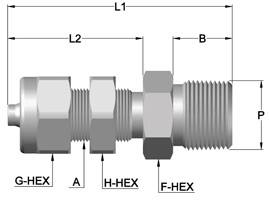
Stainless Steel Push-On Fittings: Why Corrosion Resistance Matters in Real Industrial Environments
Compressed air rarely fails on its own. The fittings around it do, usually where moisture, cleaning chemicals, or salt-laden air get to work on exposed metal. Brass and plated parts can look fine for months, then pit and seize. This is where stainless steel push-on fittings start to earn their place on demanding lines.
What Corrosion Really Does to Air Lines
Why the Body Material Sets the Service Limit: Stainless steel push-on fittings hold up because the base metal, not a coating, does the resisting. A 316 or 316L body carries chromium and molybdenum through the wall, so a scratch on the surface does not expose a softer core. Working pressures near 10 bar to 16 bar, roughly 145 psi to 232 psi, stay dependable after washdown.
What Buyers Check before They Specify: Procurement teams rarely buy on price alone once corrosion enters the picture. Buyers comparing the top pneumatic companies in India tend to look past the catalogue and ask about in-house testing, weld quality, and the exact stainless grade on offer. Helium leak checks and burst-pressure data usually separate a serious maker from a reseller.
Reading a Fitting beyond Its Price Tag
Matching the Metal to the Media: On corrosive duty, material compatibility decides how long a fitting survives contact with a given fluid or vapour. Chlorides in coastal air and cleaning agents attack standard grades, while 316L shrugs off much of that load thanks to added molybdenum. Wash-off from caustic or acidic solutions rarely troubles a properly passivated stainless surface for years.
Where the Extra Cost Pays Back: Over a plant’s life, stainless steel push-on fittings often cost less than the cheaper option they replace. Plated brass may need swapping every few seasons once the coating fails, and each change means downtime plus a fresh leak path. A stainless part fitted once tends to stay put and quiet.
Real Environments Test Every Seal and Thread
Why Movement Loosens the Wrong Fittings: On skid-mounted or reciprocating equipment, vibration resistance matters more than most specifiers expect. Constant buzzing works threads loose and fatigues soft bodies, which is how slow leaks begin. A stiff stainless body with a firm collet grip keeps the tube seated, so the joint holds through hours of steady shake and thermal cycling.
Questions Worth Asking a Supplier: The top pneumatic companies in India usually publish clear temperature and pressure limits for each seal option, from nitrile to fluorocarbon. That detail tells an engineer whether a fitting suits a food line at 90 degrees Celsius, around 194 Fahrenheit, or a chemical bay near freezing. Vague datasheets, by contrast, tend to hide a thinner specification underneath.
What Separates a Reliable Fitting
Points Worth Checking First: A handful of details, checked early, tend to predict whether a stainless fitting lasts a decade or a season. None of them takes special equipment to verify, and most sit plainly on a decent datasheet. The list below gathers the ones engineers reach for most often on corrosive or wet duty.
- Grade marking: look for 316 or 316L stated, not just “stainless.”
- Seal choice: nitrile for general air, fluorocarbon for heat and chemicals.
- Pressure and vacuum figures given in both bar and psi.
- Passivation: a treated surface resists staining far longer.
- Test evidence: helium leak or burst-pressure results on record.
Turning the Checklist into a Decision: Run those five checks and the shortlist usually thins fast. A supplier who answers each one without hedging tends to stand behind the part in service, which is really the point. Where answers get vague or a grade stays unnamed, that gap alone is often reason enough to keep looking.
Specify Once, Run for Years
Corrosion is patient, and it always finds the weakest joint first. Choosing the right stainless grade at the specification stage removes that weak point before it ever costs a shift. Engineers planning wet, coastal, or chemically exposed lines can request full material and pressure datasheets, then match each fitting to its duty with confidence.

How Water Pumps for Fountains Help Turn a Pond into a Landscape Feature
A pond sitting flat and quiet rarely earns a second look. Add movement and the whole scene shifts dramatically. This is where water pumps for fountains come into play, pushing water upward into arcs and sprays that catch light and hold attention. Homeowners, estates, and businesses lean on them for one reason: presence.
The Moment a Pond Starts to Move
Presence You Can See and Hear: The right water pumps for fountains deliver a spray tall enough to anchor a courtyard and steady enough to run all season. They turn open water into a centerpiece, feeding sound and motion that pull people outdoors. That draw is exactly what makes a property feel finished, cared for, and alive.
Built to Rise and Stay Steady: A pond fountain float holds the unit high on the surface, keeping the display centered as levels rise and fall through the season. This buoyant base shrugs off wind and passing debris without dragging the spray off course. On larger ponds, that steadiness keeps the water feature looking deliberate rather than accidental.
The Quiet Work Happening Underwater
Circulation That Guards Fish and Plants: Beyond looks, a running fountain keeps water turning over, which breaks up thermal stratification and stops warm and cold layers from settling into stagnant pockets. Moving water carries oxygen down to the deeper reaches, supporting fish through long hot spells. Plant life tends to respond too, roots feeding on cleaner, better-mixed water.
Less Buildup, Clearer Water: Standing water gives algae the calm it loves. Constant circulation makes that harder, especially where nutrient runoff from lawns and feeding drifts into the pond and fuels green blooms. A fountain keeps the surface broken and the column mixing, so waste breaks down faster and water stays clearer for longer.
Sizing the Spray to the Setting
Power That Fits the Pond: Matching output to the water matters more than chasing the tallest plume. Undersized units strain and disappoint, while oversized ones waste power and swamp a small pool. Good water pumps for fountains are picked around pond size, depth, and the spray height that suits the space, so the result reads as balanced.
Surface Support That Earns Its Keep: Depth and shoreline shape guide the mounting choice. Shallow or heavily planted ponds often do best with a pond fountain float, since it sits on top and needs no deep base to stay upright. This keeps installation simple and lets the fountain shift position when the view or planting changes.
Points Worth Weighing before You Buy
Checks That Prevent a Costly Miss: A few practical checks separate a display that thrills from one that frustrates. Weigh these before buying.
- Spray height and pattern that match the pond scale and viewing angles.
- Horsepower rated for the full water volume, not just the surface.
- Power draw and running hours, since fountains often run daily for months.
- Intake access for cleaning, because screens clog over time in most ponds.
Bringing a Still Pond to Life
A pond has real potential, just waiting for motion to unlock it. The right setup rewards a property every day, morning and evening alike. Take a look at the pump and fountain options built for your pond, compare the sizing, and pick the one that turns still water into a gathering point.

Why Should You Never Sign a Franchise Agreement Without Legal Review
The franchise business model has been booming recently, especially due to social media platforms. Once a business goes viral, it generates demand across several markets. However, it is usually not possible to scale the business, especially in remote locations. That is exactly where the franchise model steps in. It enables business owners to franchise their business. This way, they don’t have to be physically present at the location, yet they can still capture the market. It is also a great solution for franchisees, as they can benefit from the goodwill of an established business while operating with greater freedom.
However, franchise businesses are not as simple as you might assume. In fact, the greater the distance between the franchisor and franchisee locations, the more complicated it can get. In several situations, it becomes an overseas distance involving the laws of two different nations. In such situations, it is very important to have proper paperwork and a systematic approach. This usually starts with a franchise agreement.
What Is a Franchise Agreement?
A franchise agreement is a contract that outlines the mutually agreed-upon terms between the two parties governing how they will conduct the franchise business. It states the rules governing how the franchise will operate, as well as other aspects of the franchisor’s business.
This usually includes factors such as fees, royalty payments, training, operational standards, rights to territories, marketing commitments, use of intellectual property, the term of the agreement, and its renewability. In light of the far-reaching effects that these elements have on the success of the two parties, all must be properly drafted.
How a Franchise Agreement Benefits the Franchisor and Franchisee
Having your franchise agreement drafted and vetted by a domestic franchise attorney is beneficial, regardless of whether you are the franchisor or the franchisee. Here is how it will benefit you in either situation:
Benefits of a Well-Drafted Franchise Agreement
- One of the biggest factors involved in any franchise business is the franchisor’s brand value and goodwill. A well-drawn franchise agreement will help you protect exactly that. It clearly outlines how to use trademarks, business methods, and proprietary systems, helping you maintain brand consistency across locations.
- A well-drawn franchise agreement also establishes operational standards. People go to a franchise store expecting the same quality as the original. To deliver the same to the customer, it is very important to have rules regarding quality control, customer service, suppliers, and business practices.
- It is not uncommon for a franchisor and franchisee to have different opinions down the road. A domestic franchise attorney is aware of this and therefore prepares in advance by clearly defining the terms related to termination, compliance, and dispute resolution, which can help prevent future misunderstandings.
- A franchise business model is not all about the franchisor and their brand’s goodwill. The franchisee also has several rights. A good franchise agreement highlights this, helping franchisees better understand their rights and scope of operations.
Conclusion
Franchising is a great business model, but for it to work properly and smoothly, you will need the assistance of a good domestic franchise attorney. They understand local and franchising laws and have the necessary knowledge of how the business model operates in international markets. They will ensure that your franchise agreements are well-drafted and free of loopholes that could cause problems later. Getting legal counsel involved from the get-go is the ultimate legal protection that every business wishes for.

How Luxury Egyptian Cotton Sheets Hold Up over Time Compared to Budget Options
Two sheet sets can feel almost identical in the store. A year later, the difference is obvious. One has gone thin at the hips and knees, the other still lies flat and smooth. Luxury Egyptian cotton sheets tend to land in the second group, and the reason sits in the fiber, not the packaging.
Where Cheap Sheets Quietly Give Out
The Softness That Does Not Last: Budget sets often arrive soft. That softness usually comes from surface finishing rather than fiber quality, and it washes away. Short staple cotton sheds fibers with every cycle, which leads to thinning fabric and small pills across the surface. Luxury Egyptian cotton sheets skip that decline because the yarn holds together.
Where Bamboo Earns a Place: Cotton is not the only fabric that survives heavy use. 100% viscose bamboo sheets offer a different kind of resilience, staying slick and cool through hundreds of washes when the weave is dense enough. Sleepers who run warm often prefer them, and the drape stays consistent rather than turning stiff.
What Holds a Sheet Together after the Hundredth Wash
Seams and Stitch Density: Fabric rarely fails first. Seams do. Double stitched hems and reinforced corners carry the load every time a fitted sheet gets stretched over a mattress, and cheaper sets skimp here. Woven fabric has its own tensile strength, though the thread and stitch count along the edges often decide how long a set survives.
Elastic and Pocket Depth: Shallow pockets pull loose every night, and worn elastic finishes a sheet long before the cotton gives out. Deeper pockets paired with wraparound elastic keep tension even across the mattress. That is part of why luxury Egyptian cotton sheets stay on the bed and keep their shape through years of nightly use.
How Washing Cycles Add Up: Hot water and heavy detergent shorten the life of any fabric. Cotton with longer fibers tolerates the abuse better, holding color and structure through weekly laundering. Cheaper blends fade unevenly, and the pilling usually shows up on the pillowcases before anywhere else. Perhaps that is no coincidence.
Signs a Sheet Set Will Go the Distance
What the Weave Reveals: Sateen feels cooler to some sleepers and warmer to others, which makes the label less useful than the hand feel. Percale runs crisp. Dense weaves with moisture wicking performance handle humid rooms better, and they resist the limp, papery texture that budget sets develop after a season or two of regular washing.
Checks Worth Making at the Store: Price alone says little. A closer look at the stitching and the way the fabric falls tells more than any number printed on the packaging. Weight in the hand is another quiet clue, since thin fabric drapes limply from the start. Buyers comparing cotton against 100% viscose bamboo sheets usually find the difference in the details rather than the marketing.
- Staple length printed on the label rather than a thread count alone
- Double stitched seams, corners included
- Elastic running the full perimeter of the fitted sheet
- Weight that feels dense in the hand
- A finish that does not squeak or feel waxy
The Bed That Still Feels Right in Five Years
Cheap sets get replaced. That replacement cycle, repeated every eighteen months, quietly costs more than one well made set that lasts a decade. Math favors patience. Compare fiber quality and construction carefully, then choose bedding built to survive the wash, and the bed will still feel right years from now.
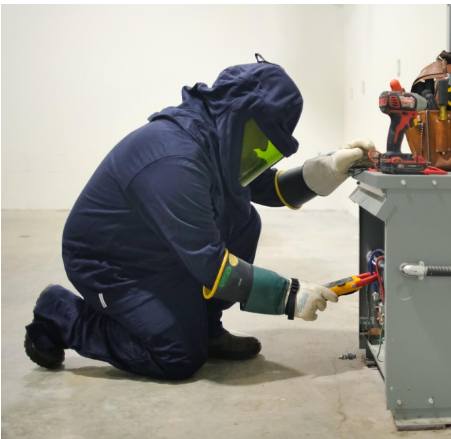
How an Industrial Electrician in North Bay Supports Safe, Code-Compliant Machine Power and Controls
Moving a press across a plant floor looks simple until the electrical scope lands on someone’s desk. Feeder sizing, overcurrent protection and a disconnect within sight of the machine all matter. An industrial electrician in North Bay starts with the nameplate data, then works outward to the panel. Guesswork at that stage usually shows up later.
Before the Cable Ever Gets Pulled
Circuit Sizing Matched to the Load: Nameplate current, duty cycle and starting method decide conductor size and breaker rating. A qualified industrial electrician in North Bay also checks voltage drop across long runs, since a motor starved of voltage runs hot and fails early. Undersized conductors rarely pass inspection, and they rarely last. Rework then costs more than the original job.
Protection Devices and Disconnect Placement: Every machine needs a means of disconnection that a technician can reach and lock. Experienced North Bay electrical contractors position that disconnect within sight of the equipment, then coordinate breakers and fuses so a fault trips the nearest device instead of the main. Selective coordination keeps one failure from stopping the floor.
Where Shortcuts Turn into Shutdowns
Hazards Hiding behind a Quick Hook-Up: A non-compliant installation carries risks that stay hidden until something goes wrong. Weak electrical grounding leaves a machine frame live during a fault, and the operator becomes the path to earth. Insulation degrades quietly under an unbalanced supply. Insurers ask hard questions once an incident report reaches them. Safety audits tend to find the same faults twice.
Lockout Points the Next Technician Can Find: Clear labelling costs almost nothing during install and saves hours later. Panel schedules, circuit tags and lockout points let a technician isolate one machine without stopping the line. An industrial electrician in North Bay documents the work as it goes, so drawings still match the plant two years on. That habit pays off during every audit.
Wiring the Logic behind the Machine
Control Circuits Built for Real Conditions: Control wiring sits at low voltage, yet it decides whether a machine starts, stops or holds. Start-stop stations, safety relays and interlocks need correct conductor sizing and separation from power cabling. A properly rated circuit breaker on the control transformer primary protects everything downstream when a short develops. Shared conduit invites nuisance tripping.
- A disconnect within sight of the machine, able to accept a padlock
- Overcurrent protection sized to the nameplate rating
- Bonding to the machine frame verified by test before start-up
- Panel schedule updated the same day the circuit goes live
- Drawings handed to the maintenance team at close-out
Passing Inspection at the First Attempt: The Electrical Safety Authority inspects machine installations against the Ontario Electrical Safety Code, and CSA standards govern the equipment itself. Established North Bay electrical contractors file the permit, book the inspection and stay on site to answer questions. A failed inspection stalls production far longer than the extra planning would have.
Power Ready for the Next Shift
Machine power done properly stays quiet for years, which is the point. Correct sizing, reachable disconnects, honest labelling and a permit on file cost less than one avoidable shutdown. Plans reviewed early rarely need reworking later. Call 705-825-2818 to book a site walk, or email andrew@syctr.ca for a scoping conversation on the next equipment move.