DUI Lawyer in Toronto: What Mandatory Alcohol Screening Means for Your Charge
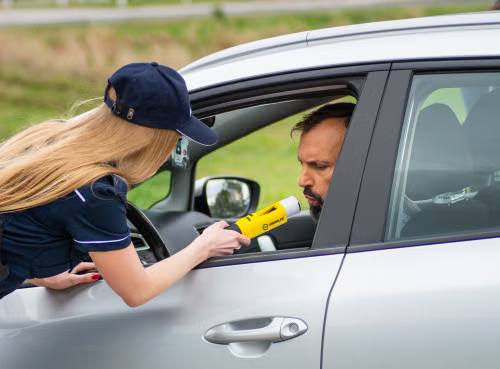
A burned-out taillight, a rolling stop at a quiet corner, or a RIDE check on the way home from dinner. Any of these can end with an officer holding a small device to your window and asking you to blow in it. You may not have had a single drink, and the officer may have no reason to think you did. Since the rules changed, that matters less, which is why a DUI lawyer in Toronto now spends so much time on the first two minutes of a traffic stop.
This is the change in clear terms. Prior to December 18, 2018, the police could ask for a roadside breath sample only if they suspected that there was alcohol in your system. With mandatory alcohol screening in place, the police may now request the sample regardless of whether they suspect you of having consumed alcohol. A DUI lawyer in Toronto hears that assumption often, usually from someone who planned to fight the charge on that point alone.
What Mandatory Alcohol Screening Lets Police Do in Toronto
The power has limits, and those limits matter more than people think. An officer can use mandatory screening only if three conditions are met:
- You are in care and control of the vehicle.
- The officer lawfully stopped you.
- The officer has an approved screening device on hand.
Mandatory screening does not give police any new power to stop drivers at random. Courts had already approved sobriety checkpoints, and traffic stops long before 2018. So the stop itself still needs a legal basis, and that is often where a defence begins.
Pass, Warn or Fail: Reading the Roadside Result
The handheld device gives a screening result, not proof of a crime. A pass usually ends things. A reading between 0.05 and 0.079 falls in Ontario’s warn range, which brings a short roadside licence suspension but no criminal charge.
A fail is different. It gives the officer grounds to take you to the station for a test on an approved instrument, and that test becomes the evidence in court.
The Crown relies on the station result. Under the current law, you can face a conviction if your blood alcohol concentration is at or over 80 mg within two hours of driving. That two-hour window closes a gap that people once used by drinking after they parked, which honestly never seemed like much of a defence anyway.
Refusing a Roadside Breath Test in Ontario
Some drivers think saying no is the safer choice. It rarely is. Refusing a lawful demand is its own criminal offence, and the minimum fine for a first refusal is higher than for a first over 80 conviction.
The provincial consequences start the same night either way. If you register 0.08 or more and fail or refuse a test, Ontario imposes an immediate 90-day licence suspension, a $550 penalty, and a seven-day vehicle impoundment. None of that waits for a trial.
Wrapping Up
The next steps are simple enough. Write down where you were stopped, what the officer said, and how long the stop took before those details fade. Did the officer explain why you were pulled over, or did the device come out first to test you?
