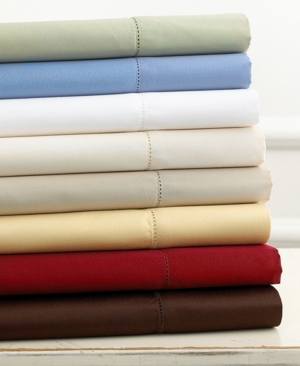
How Luxury Egyptian Cotton Sheets Hold Up over Time Compared to Budget Options
Two sheet sets can feel almost identical in the store. A year later, the difference is obvious. One has gone thin at the hips and knees, the other still lies flat and smooth. Luxury Egyptian cotton sheets tend to land in the second group, and the reason sits in the fiber, not the packaging.
Where Cheap Sheets Quietly Give Out
The Softness That Does Not Last: Budget sets often arrive soft. That softness usually comes from surface finishing rather than fiber quality, and it washes away. Short staple cotton sheds fibers with every cycle, which leads to thinning fabric and small pills across the surface. Luxury Egyptian cotton sheets skip that decline because the yarn holds together.
Where Bamboo Earns a Place: Cotton is not the only fabric that survives heavy use. 100% viscose bamboo sheets offer a different kind of resilience, staying slick and cool through hundreds of washes when the weave is dense enough. Sleepers who run warm often prefer them, and the drape stays consistent rather than turning stiff.
What Holds a Sheet Together after the Hundredth Wash
Seams and Stitch Density: Fabric rarely fails first. Seams do. Double stitched hems and reinforced corners carry the load every time a fitted sheet gets stretched over a mattress, and cheaper sets skimp here. Woven fabric has its own tensile strength, though the thread and stitch count along the edges often decide how long a set survives.
Elastic and Pocket Depth: Shallow pockets pull loose every night, and worn elastic finishes a sheet long before the cotton gives out. Deeper pockets paired with wraparound elastic keep tension even across the mattress. That is part of why luxury Egyptian cotton sheets stay on the bed and keep their shape through years of nightly use.
How Washing Cycles Add Up: Hot water and heavy detergent shorten the life of any fabric. Cotton with longer fibers tolerates the abuse better, holding color and structure through weekly laundering. Cheaper blends fade unevenly, and the pilling usually shows up on the pillowcases before anywhere else. Perhaps that is no coincidence.
Signs a Sheet Set Will Go the Distance
What the Weave Reveals: Sateen feels cooler to some sleepers and warmer to others, which makes the label less useful than the hand feel. Percale runs crisp. Dense weaves with moisture wicking performance handle humid rooms better, and they resist the limp, papery texture that budget sets develop after a season or two of regular washing.
Checks Worth Making at the Store: Price alone says little. A closer look at the stitching and the way the fabric falls tells more than any number printed on the packaging. Weight in the hand is another quiet clue, since thin fabric drapes limply from the start. Buyers comparing cotton against 100% viscose bamboo sheets usually find the difference in the details rather than the marketing.
- Staple length printed on the label rather than a thread count alone
- Double stitched seams, corners included
- Elastic running the full perimeter of the fitted sheet
- Weight that feels dense in the hand
- A finish that does not squeak or feel waxy
The Bed That Still Feels Right in Five Years
Cheap sets get replaced. That replacement cycle, repeated every eighteen months, quietly costs more than one well made set that lasts a decade. Math favors patience. Compare fiber quality and construction carefully, then choose bedding built to survive the wash, and the bed will still feel right years from now.
