Category: Home
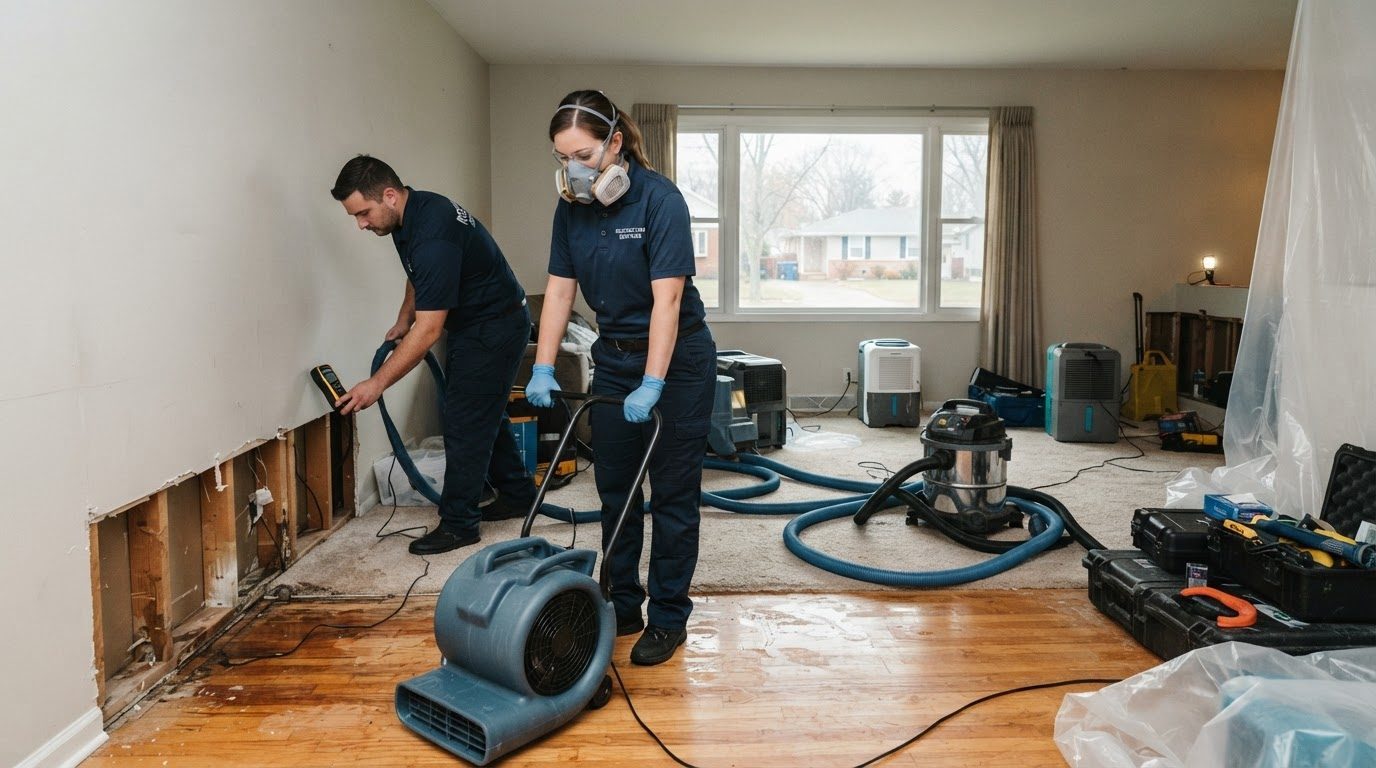
Restoring Your Lafayette Property After Water, Fire, Storm, or Mold Damage
A burst pipe, roof breach, kitchen fire, or sewage backup can turn a Lafayette property into an active safety and construction problem within hours. The right response is not simply removing visible debris; it is identifying concealed moisture, contaminated materials, smoke residue, structural instability, and indoor-air concerns before they become more expensive.
The term Restoration Services generally covers emergency mitigation, cleaning, remediation, repairs, and sometimes reconstruction after a damaging event. In practice, the work may involve water extraction, air movement, dehumidification, soot removal, antimicrobial cleaning, contents handling, and documentation for an insurance claim.
For local property owners, Restoration Logistics Lafayette can be evaluated alongside other contractors based on response availability, technical qualifications, scope clarity, and communication standards. Before authorizing work, understand what must happen immediately and what can wait for a carefully priced repair plan.
When Professional Restoration Is Needed
Restoration begins with mitigation: stopping active damage and stabilizing the building. Repairs and reconstruction come later. For example, extracting water and drying a room is mitigation; replacing damaged drywall, cabinets, flooring, or wiring is repair.
Common Lafayette-area triggers include:
- Burst supply lines, water heaters, appliance leaks, and plumbing failures.
- Heavy rain, wind damage, roof leaks, and storm-driven water intrusion.
- Fire, smoke, soot, and sprinkler discharge.
- Sewage backups and contaminated floodwater.
- Suspected mold caused by persistent humidity or undetected leaks.
Professional assessment is especially important because moisture can move behind walls, beneath flooring, into crawl spaces, insulation, and HVAC systems. Fire damage can similarly extend beyond burned areas through smoke migration and acidic soot deposits.
Leave or isolate the property when there is structural instability, active smoke, a gas odor, exposed electrical equipment, standing water near outlets or appliances, or sewage contamination. Do not enter a compromised structure until fire officials, utility personnel, or qualified professionals indicate it is safe.
Water and Flood Damage Restoration
A typical water-loss workflow includes inspection, source control, extraction, moisture mapping, drying, cleaning, and repair planning. Technicians may use submersible pumps, truck-mounted extractors, moisture meters, thermal imaging cameras, air movers, and commercial dehumidifiers.
Standing water quickly affects:
- Drywall, baseboards, insulation, and cabinetry.
- Hardwood, laminate, carpet, and subfloor assemblies.
- Structural framing, crawl-space materials, and contents.
- Electrical systems and HVAC components.
Water categories matter. Category 1 water originates from a clean supply line. Category 2 contains significant contamination, such as discharge from a washing machine or dishwasher. Category 3 includes sewage and other heavily contaminated water; porous materials often require removal rather than routine cleaning.
Drying is not complete because a surface feels dry. Technicians should compare moisture readings with unaffected areas and check wall cavities, flooring edges, crawl spaces, cabinets, ductwork, and mechanical closets. In Lafayette’s humid, storm-prone climate, trapped moisture can remain active long after visible water disappears.
Homeowners should:
- Shut off the water source if it is safe to do so.
- Avoid electrical contact with wet areas.
- Photograph rooms, contents, and the source of damage.
- Move only lightweight items that can be handled safely.
- Avoid cutting walls, discarding materials, or using household fans before documentation and professional guidance.
Sewage cleanup requires containment, appropriate personal protective equipment, cleaning and disinfection, and disposal of regulated or contaminated materials. It should not be treated as ordinary mopping.
Fire, Smoke, and Odor Recovery
After firefighters leave, a property may need emergency board-up, roof tarping, water removal, soot cleaning, odor control, and structural evaluation. Smoke residue is acidic and can continue corroding metal, discoloring finishes, and damaging electronics even after the fire is extinguished.
Restoration may address:
- Walls, ceilings, trim, flooring, and insulation.
- Appliances, furnishings, textiles, and personal belongings.
- HVAC registers, ductwork, filters, and air-handling equipment.
- Smoke odor embedded in porous materials.
HVAC systems should not be operated automatically after a fire. Smoke particles can travel through return-air pathways and redistribute contamination. An inspection may determine whether duct cleaning, filter replacement, coil cleaning, or equipment replacement is appropriate.
Contents restoration can include inventory, pack-out, secure storage, ultrasonic cleaning, deodorization, and evaluation of salvageability. Ozone or hydroxyl treatment may be considered in controlled circumstances, but odor treatment cannot substitute for removing soot and correcting the source.
Simple cleaning is appropriate for limited surface contamination. Reconstruction is necessary when fire, heat, water, demolition, or smoke has compromised framing, wiring, roofing, drywall, flooring, or other building systems. Electrical and structural work should be performed by appropriately licensed trades.
Mold, Storm, and Biohazard Remediation
Mold remediation is a process, not a spray application. A sound protocol identifies and corrects the moisture source, establishes containment, controls dust and spores, removes affected materials, cleans remaining surfaces, dries the assembly, and verifies conditions when warranted.
Technicians may use negative-air machines with HEPA filtration, physical barriers, HEPA vacuums, moisture meters, and antimicrobial cleaning agents. Porous drywall, insulation, carpet pad, and heavily colonized wood may require removal. Older buildings also warrant caution around lead-based paint, asbestos-containing materials, and deteriorated insulation; disturbing those materials may require specialized professionals.
Storm response can include emergency tarping, board-up, fallen-debris removal, water extraction, temporary weatherproofing, and coordination of permanent roofing or exterior repairs. Temporary protection limits additional loss but is not a substitute for a documented repair scope.
Biohazard and sewage work requires controlled access, PPE, disinfection, odor management, and proper disposal. Environmental testing or third-party clearance may be useful when contamination is extensive, occupants have health concerns, a commercial property must document reopening conditions, or an insurer, regulator, or building manager requires it. Testing alone does not locate or fix a moisture problem.
From Emergency Response to Finished Repairs
A well-managed project usually follows this sequence:
- Initial call and safety screening: The contractor identifies hazards, the apparent source, occupancy conditions, and immediate actions.
- Inspection and documentation: Photographs, moisture readings, room measurements, affected-material inventories, and equipment logs establish the loss scope.
- Mitigation: Crews stop active intrusion, extract water, remove unsalvageable materials, clean contamination, or secure the structure.
- Drying or cleaning verification: Readings and visual inspections determine whether the affected assembly has stabilized.
- Repair planning: Estimates separate emergency services, demolition, contents handling, specialty work, and reconstruction.
- Reconstruction: Qualified trades restore drywall, flooring, cabinets, roofing, paint, electrical systems, and other components.
- Final walkthrough: The owner reviews completed work, remaining exclusions, warranty documents, and closeout records.
Industry standards from the Institute of Inspection Cleaning and Restoration Certification (IICRC), including S500 for water damage, S520 for mold, and S700 for fire and smoke restoration, can help define sound procedures. Ask whether the technicians are trained to applicable standards and whether the company carries required insurance and local or state licenses.
Costs vary widely. A minor water extraction and drying job may run roughly $1,000–$3,500; larger losses involving demolition, sewage, or multiple rooms can exceed $5,000–$15,000. Fire cleanup may range from several thousand dollars for localized damage to tens of thousands for structural reconstruction. Mold projects commonly cost $1,500–$6,000, while extensive containment or demolition costs more. These are planning ranges, not quotes; access, materials, contamination, urgency, and reconstruction requirements determine the final price.
Ask before work begins:
- Is emergency response available after hours, and what is the expected arrival window?
- What exact services are included in the initial scope?
- Which materials will be removed, and why?
- What equipment, moisture readings, and drying targets will be documented?
- Are subcontractors, environmental consultants, plumbers, electricians, or roofers involved?
- How are daily updates, photographs, inventories, and change orders handled?
- What certifications, licenses, insurance, warranties, and guarantees apply?
- What costs are due immediately, and which items depend on insurance approval?
A restoration contractor can document damage, prepare estimates, and communicate technical information to an adjuster. However, the policyholder remains responsible for reporting the claim, reviewing coverage, and approving payments; only the insurance carrier determines coverage. Clear records and a written scope help everyone distinguish necessary mitigation from elective upgrades and permanent repairs.
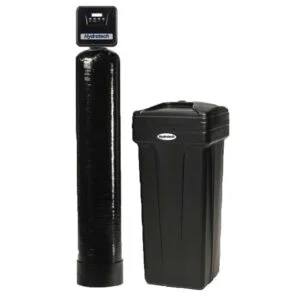
Home Water Treatment Systems Help Families Address Water Quality Issues Beyond Basic Filtration
Rust stains in the bathtub. A faint rotten egg smell from the hot tap. White crust on the kettle element. These signs turn up in thousands of rural homes, and most people shrug them off for years as a minor inconvenience. Home water treatment systems exist for exactly these problems, though few homeowners know where to start.
When Tap Water Starts Sending Signals
Every Water Source Tells Its Own Story: No two wells produce identical water. One property might struggle with iron, the neighbour with sulphur or bacteria. That is why home water treatment systems are built around the source itself, not a generic template. A system designed for municipal supply will do little for a deep well pulling hard, mineral heavy groundwater.
Lessons Borrowed from Larger Operations: Restaurants, farms, and clinics faced this reality long ago. Commercial water filtration systems treat huge volumes daily, and the engineering behind them now shapes residential equipment too. Multi stage designs, sediment pre filters, contaminant specific media. The same thinking, scaled down, gives households far better results than a single cartridge under the sink.
Matching the Fix to the Actual Problem
Softening Tackles Scale at Its Source: Scale on taps and dead heating elements trace back to water hardness, which comes from dissolved calcium and magnesium. A softener swaps those minerals out through ion exchange. Perhaps the most noticeable change is in the shower, where soap finally lathers properly and skin stops feeling tight. Kettles last longer too.
Deeper Cleaning for Drinking Water: Reverse osmosis pushes water through a fine membrane, stripping out lead, nitrates, and dissolved solids that carbon alone misses. UV units handle bacteria without adding chemicals. Many home water treatment systems combine several of these stages, so one setup covers taste, safety, and appliance protection. Not every home needs all of them.
Right Sizing Prevents Expensive Mistakes: Flow rate matters as much as the treatment method. A family of five running two bathrooms needs different capacity than a retired couple in a bungalow. Oversized units waste money and space. Undersized ones clog early and leave untreated water slipping through at peak demand, usually right before the morning school run.
Testing First, Spending Second
Numbers Beat Guesswork Every Time: Buying equipment before knowing what is in the water wastes money. Proper water quality testing through an accredited lab reveals the real picture, from bacteria counts to metal levels. Some results surprise people. A well that smells fine can still carry coliform, and crystal clear water can hide elevated nitrates.
Signals Worth Acting on Quickly: Lab results guide the buying decision, though everyday signs matter as well. The contaminants that push farms and food businesses toward commercial water filtration systems turn up in private wells across the same regions. None of them should be ignored for long. Between scheduled tests, keep an eye out for changes like these:
- A metallic or bitter taste that lingers
- New orange or black staining around drains
- Cloudy water that clears after standing a few minutes
- Sudden pressure drops
- Any smell of sulphur, even faint
Better Water Is Closer than It Looks
Clean, reliable water rarely comes from guesswork. Start with a proper test, read the results with someone qualified, and choose treatment that fits the actual findings rather than the loudest advert. The stains and smells will not sort themselves out. Book a water test this month and get a clear answer on what the household really needs.

Electrical Panel Improvements Support the Safe Installation of High-Demand Home Systems
Modern homes ask far more of their wiring than they did a generation ago. Big appliances, smart devices, and constant cooling through long Arizona summers all pull power at the same time, and an older electrical panel was rarely built for that load. When capacity runs short, safety and reliability tend to suffer across the whole house.
Every High-Demand Appliance Leans on Your Panel
Capacity Sets the Ceiling for Every Appliance: Every large appliance, from the air conditioner to the electric oven, pulls current through one shared source. An undersized electrical panel cannot deliver steady power to all of them at peak demand. As more systems run at once, breakers trip, lights dim, and overall performance drops across the rooms you depend on daily.
Steady Power Keeps Hot Water Flowing: A water heater electric model heats around the clock and draws heavy current each time it cycles on. Without enough capacity behind it, recovery slows and hot water runs out faster than a busy household expects. Dependable heating really starts with a panel sized to handle that ongoing draw without strain.
Dependable Heating Begins Long Before the Tank
A Dedicated Line Protects Performance: Large heating units perform best on their own dedicated line, protected by a correctly rated circuit breaker that matches the unit’s draw. A shared or undersized connection forces the system to compete for power, which shortens its life and triggers nuisance shutdowns during the busy hours a family needs hot water most.
Matched Systems Keep Output Steady: When the electrical panel is matched to the home’s real demand, the heater holds a steady temperature and recovers quickly between uses. Voltage stays consistent, internal components run cooler, and the unit avoids the wear that comes from constant power fluctuations. Right-sized support quietly extends the life of costly equipment and protects daily comfort.
The Early Signals That Capacity Is Running Out
Overload Quietly Threatens the Whole Home: Overloaded wiring rarely fails all at once. It builds heat behind the walls, stresses connections, and slowly erodes electrical safety until a breaker, outlet, or fixture finally gives way. Thoughtful planning spreads demand across the system and adds capacity well before that pressure reaches a dangerous point inside an aging home.
Signs the System Needs Attention: Most homes give fairly clear hints when daily demand has outgrown the available supply. Paying close attention to these patterns helps a household act early, well before a minor annoyance turns into a costly repair or a genuine safety risk. Watch for these common warning signs throughout the entire house:
- Breakers that trip often or feel warm to the touch
- Lights that flicker or dim when appliances start up
- Outlets or switch plates that feel hot or look discolored
- A faint burning smell near the service area
- Frequent need for extension cords and power strips
Planning Ahead Prevents Bigger Costs: Catching these signals early gives a homeowner room to plan rather than scramble to react. A highly trained professional can map current loads, flag hidden risks, and recommend upgrades that match how the home actually runs day to day. Pairing panel work with a water heater electric replacement, for example, keeps both projects coordinated and far less disruptive.
Power a Stronger, Safer Home for Years Ahead
Coordinated upgrades give a home the strength to handle every real demand placed on it year-round. Highly trained electricians and plumbers plan panel and heating improvements together, so the work stays clean, code-compliant, and built to last. Schedule a service visit, get clear answers, and bring lasting electrical safety home today.
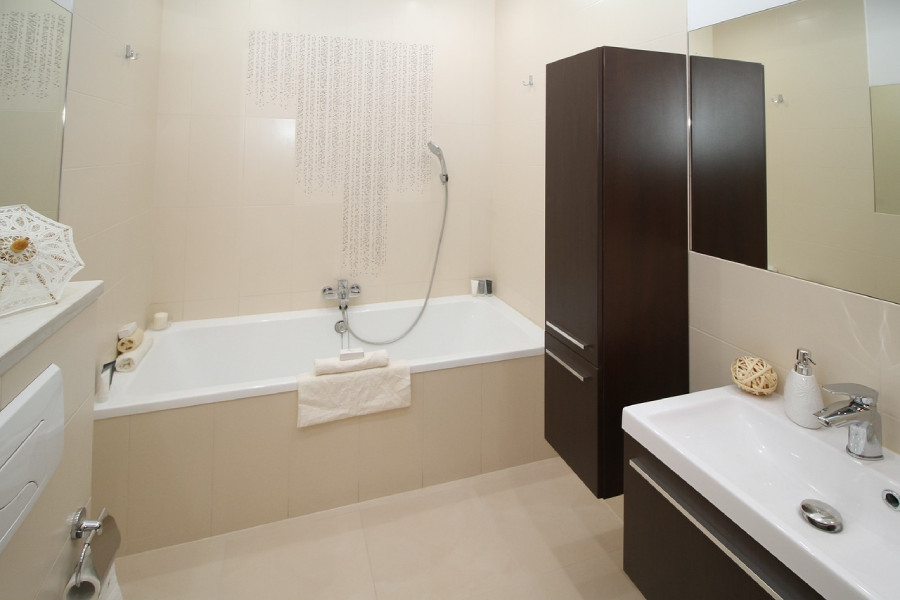
The Complete Guide to Finding a Bathroom Fitter Who Works 7 Days a Week
I’ll be honest with you – finding a decent bathroom fitter is hard enough. Finding one who’ll actually show up on weekends? That’s like winning the lottery while getting struck by lightning.
You know what’s driving me crazy about this whole industry? Very few bathroom fitters work 7 days a week, and the ones who claim they do usually disappear faster than your motivation on a Monday morning. I’ve been there. Three weeks into what was supposed to be a “quick bathroom refresh” and I’m brushing my teeth in the kitchen sink while my contractor texts me excuses about why he can’t work weekends.
Look, maybe I’m being harsh. But when you’re living in construction chaos and someone promises they’ll work around the clock to get you sorted, you expect them to actually mean it.
Why Weekend Warriors Are Extinct
Most bathroom fitters treat weekends like they’re sacred. Fair enough, everyone needs downtime. But here’s the thing – your burst pipe doesn’t care that it’s Saturday. Your in-laws visiting next week don’t care that your toilet is currently decorating the hallway.
The whole industry runs on this old-school mentality. Suppliers close. Inspectors go home. Even the guy at the hardware store gives you dirty looks if you show up Sunday morning needing emergency grout.
And honestly? A lot of fitters just can’t be bothered. Why work weekends when you’ve got enough Monday-to-Friday work to keep busy? It’s basic economics, except it leaves you stuck with half a bathroom and nowhere to shower.
Some of them have legitimate reasons. Family stuff. Other jobs. The premium rates for weekend work eat into their margins. I get it, but understanding their problems doesn’t fix mine.
The Real Cost of Dragging Things Out
Here’s what nobody tells you about bathroom renovations that drag on forever – it’s not just inconvenient, it’s soul-crushing.
You start every morning wondering if today’s the day your contractor actually shows up. You can’t invite people over because your house looks like a construction site had a baby with a plumbing disaster. Your kids start complaining about using the downstairs toilet, and honestly, you’re getting pretty sick of it yourself.
The worst part? The uncertainty. “Should be done by Friday” turns into “maybe next week” which somehow becomes “sorry, got held up on another job.” Meanwhile you’re googling “how long can humans survive without proper bathroom facilities” at 2 AM.
Your stress levels go through the roof. You find yourself snapping at family members over stupid things. All because some guy who seemed reliable suddenly treats weekends like they’re off-limits.
Spotting the Fake Weekend Warriors
Not everyone who claims to work weekends actually does. I’ve learned this the hard way, multiple times.
Red flag number one: they’re vague about scheduling. “Yeah, I work weekends” is different from “I’ll be at your place Saturday at 8 AM.” If they can’t commit to specific times, they’re probably not serious about weekend work.
Try calling them on a Sunday. Real seven-day contractors answer their phones. The fake ones let it ring or have some excuse about why they’re not available.
Pricing is another giveaway. If someone quotes you significantly less than everyone else while claiming to work weekends, something’s wrong. Either they’re lying about the weekend availability or they’re planning to cut corners somewhere else.
Ask for recent references – specifically from weekend projects. Anyone can give you testimonials from regular weekday jobs. You want to talk to someone whose bathroom got finished on a Saturday.
Questions That Separate Winners from Time-Wasters
I’ve gotten better at filtering out the pretenders. Here’s what I ask now, and you should pay close attention to how they answer:
“What days this week will you be working on my project?”
Notice I didn’t ask if they work weekends. I asked what specific days they’ll be at my house. Vague answers mean trouble.
“When was the last weekend project you completed?”
This catches them off guard if they’re lying. Real weekend workers can tell you exactly when and where because weekend jobs stand out in their memory.
“What happens if you can’t get materials delivered on Saturday?”
Good contractors have backup plans. Bad ones make excuses.
The way they respond tells you everything. Confident, specific answers mean you’re talking to someone who actually does this regularly. Hesitation and generic responses mean you should keep looking.
Where to Actually Find These People
Don’t bother with the big contractor websites. Most seven-day bathroom fitters don’t waste time with fancy marketing because they’re too busy actually working.
Start with your neighbors. Seriously. The guy three doors down who got his bathroom done in record time last month? Find out who did it. These contractors survive on word-of-mouth because satisfied customers become walking advertisements.
Building supply stores are goldmines for recommendations. The staff see who’s buying materials on weekends. They know which contractors show up Saturday morning ready to work versus the ones making excuses about delayed deliveries.
Local Facebook groups work better than you’d think. Search for posts about bathroom renovations and look for comments mentioning quick turnarounds or weekend work. People love bragging when they find a contractor who actually delivers.
Skip the big review sites. They’re full of fake reviews and contractors gaming the system. You want real people talking about real experiences, not five-star ratings that could mean anything.
Reality Check Time
Even the best seven-day bathroom fitters can’t control everything. Weather delays outdoor work. Suppliers sometimes mess up orders. Unexpected problems pop up when walls get opened.
The difference is how they handle these setbacks. Professional weekend workers have contingency plans. They communicate problems immediately instead of letting you discover issues yourself. They find solutions instead of making excuses.
They’re also more realistic about timelines upfront. A contractor promising to complete major renovations in impossibly short timeframes probably can’t deliver on weekend availability either.
Remember, very few bathroom fitters work 7 days a week because it’s genuinely difficult. The ones who do it successfully deserve respect and fair compensation for their commitment.
Finding the right contractor transforms your renovation from a months-long nightmare into a manageable disruption. Your bathroom gets finished, your family stops complaining, and you can finally invite people over without apologizing for the state of your house.
The trick is knowing what to look for and being willing to pay for the convenience. Trust me, after you’ve lived through one renovation that dragged on forever, you’ll understand why speed is worth every penny.
Featured Image Source: https://pixabay.com/photos/bathroom-bath-toilets-toilet-2094735

Buying a House in Rotterdam: Why Hire a Real Estate Agency
Rotterdam is a city that is characterised by modern architecture and vibrant culture. This is the reason why many people and residents and foreigners are now looking for a home in this area. From city apartments and condos to family houses or for investment purposes, navigating the property market is always challenging.
Buy house Rotterdam with the help of a real estate agency, as they have expertise in finding the best house, have current market knowledge and provide valuable support and guidance through the buying process. Here’s why working with a professional real estate agency will be beneficial for you.
Local Knowledge and Expertise
The property market in Rotterdam is complex because of certain legal requirements and increasing demand for new people. A real estate agent in Rotterdam has an excellent understanding of the local market trends, neighbourhoods, changing real estate scenarios and pricing. It is going to provide you with much more information than what online listings will give you, including advice on the best areas in which to live according to your requirements.
Access to Exclusive Listings
Rotterdam sales happen mostly through real estate agencies before properties even find their way into the general public market. You shall, therefore, get some exclusive off-the-market listings by securing yourself a real estate agency representative; after all, such a seller agent usually has off-market offers within their portfolio.
Professional Negotiation Skills
Negotiating for the price of a property is a complicated process. An experienced real estate agent has the relevant experience and negotiating skills to get the best possible offer for you. He knows exactly how to approach sellers, make counteroffers, and get sellers to agree to terms that are in your favour so that you don’t pay too much for the house and get the best deal. Experience is what can save both time and money in the long run.
Legal and Paperwork Assistance
Buying a house in Rotterdam entails much paperwork and forms. A Rotterdam real estate agency will handle all legal documentation to get everything ready for the actual transaction. The process runs smoothly without causing unnecessary bumps, from the offer up to contracts and legal matters.
Stress-Free Process
Buying a house is, of course, quite stressful. This is made worse by the fact that one knows little or nothing about the property and market law in Rotterdam. A real estate agency could, therefore, be helpful in easing the stress. They would manage everything for you, from finding properties that meet the criteria you set to assisting in viewing and finally closing the deal.
Investment For Your Future
When you are buying property, you must be well aware and have all the right information about the house. Real estate agencies offer not just the best insights into what is happening in the present market but also regarding future potential values that properties may hold. Thus, it becomes easier to make an investment that will keep appreciating over time.
Saving Time and Effort
House hunting is a highly time-consuming and tedious job. If you are busy either with work or other commitments, you cannot go around the place to check out the property. A real estate agent can help streamline the process by pre-screening properties that might meet your expectations and special criteria, and thus, it helps to save your time and effort.
Final Thoughts
Hiring a real estate agency to buy a house in Rotterdam offers so many advantages to residents and foreigners. Real Estate Rotterdam provides knowledge of the local area, exclusive listings, expert negotiation skills, legal support, and documentation; the whole spectrum is included to provide smooth home-buying experiences. The right real estate agency could be a difference-maker when considering this, especially for first-time buyers and others in need of an efficient, good investing opportunity.
Featured Image Source: https://img.freepik.com/free-photo/aerial-view-shot-rotterdam-city-netherlands_181624-40880.jpg?ga=GA1.1.1231641347.1732286537&semt=ais_hybrid

Affordable Log Homes: How Log Cabin Kits Make It Easy to Build Your Own Log Retreat
Many have dreamed of a warm, snug log cabin, but budget constraints prevent them from realizing such a desire. Fortunately, the log cabin kits now make such rustic retreats accessible and affordable for almost everyone. Simplified construction procedures allow almost anyone to build a rustic log home without hiring costly labour or investing in custom designs.
Whether it is to be a secluded retreat cabin or a quiet retirement place, log homes Nova Scotia are the perfect answer. They not only look natural but are also very durable and energy-efficient. If you always dreamed of living closer to nature, building a rustic abode with a kit is one of the most affordable ways to make this dream come true.
The Benefits of Log Cabin Kits
Log cabin kits New Brunswick are designed for easy assemblage. They often provide pre-cut, pre-drilled components that don’t need special skills, and sometimes, you can even undertake the whole project yourself or with the help of a very small team. The ease of assembly significantly lowers the overall costs, thus saving you money and time.
Log cabin kits also vary in size and style. Choose your design, and get your dream retreat place. You can go for small and simple cabins or have more spacious log homes. Many of these kits come with comprehensive guides that allow an amateur to be successful in completing this project.
Why Log Homes are a Great Investment
Log homes are more than aesthetically beautiful homes; log homes can prove to be a very good investment as well. Due to thick logs, natural insulation is provided that keeps indoor temperatures stable and are thus energy efficient. In this way, you can save a lot on energy bills and spend quality time in your cosy and comfortable living space.
Log cabins are also very durable and robust enough to handle even harsh weather conditions. They are made of natural materials and blend perfectly with the environment. You can, therefore, build a home that feels like it is part of nature. Using a log cabin kit allows you to experience all these benefits without breaking the bank.
Sustainable and Eco-Friendly Living
Log cabins are one of the more eco-friendly housing options for someone interested in living in an eco-friendly and sustainable way. Generally, manufacturers responsibly acquire wood and have sets of processes that reduce waste from the manufacturer to the installation of the log homes. Also, timber is a renewable resource, and carbon in logs can balance out some of the burden that is placed on the environment.
Living in a log home encourages a simpler, more natural life. Surrounded by a wooden interior and natural exterior settings, you will experience the warmth and serenity that only a log home can offer. Also, the low-maintenance nature of log cabin kits allows you to enjoy your retreat without much fuss.
Conclusion
Log homes offer the distinctive, cosy environment that many people long for. With log cabin kits now available, it’s never been easier or more affordable to own your own retreat. Plan your log home project today and make your dream a reality without breaking the bank.
Featured Image Source: https://easyupstructures.com/websites/easyupstructures.com/ecommerce/products/35/images/main/ALABAMA.jpg

How Home Electronic Monitoring is Redefining Justice: A New POV
Lounging on your couch and sipping wine, but your mind knows you are being monitored 24/7. There was a whole reality TV show based on this concept. Say hello to the world of HEM! Home electronic monitoring is not about being in jail. You can know what is happening inside the home and whether your pets, kids, and elders are safe. Are your belongings safe? Well, HEM can do the honors here, too. We have a twist in the tale today. Let’s talk about surveillance and justice.
So, is HEM or home electronic monitoring a modern but super humane solution or just another way to monitor people digitally? We would like to share a very off-beat yet informative post with you.
1. From Bars to Beeps: A Little About Anklet Bracelets
Forget steel bars; the ankle bracelet is the new face of incarceration. But don’t mistake this small, unassuming device for anything trivial. Modern ankle bracelets are much more sophisticated devices, using GPS technology to monitor every step, ensuring individuals stay within specific boundaries. If anyone steps outside their bounds, the results can be blaring. Think of the loud alarm system! Home electronic monitoring service has that kind of an effect.
This isn’t just about tracking your location. Today’s ankle monitors can detect many things, such as alcohol levels, track heart rate, or even check for tampering with objects. For many offenders, it’s a constant reminder that their freedom is conditional, with every movement potentially triggering a call to a parole officer.
HEM has grown beyond just a physical bracelet, though. Some advanced systems now use facial recognition, human voice verification, and even mobile phone applications to monitor those under house arrest.
2. House Arrest Isn’t What You Think
At first glance, house arrest may seem like an ideal alternative to prison. After all, who wouldn’t prefer Netflix at home over the cold confines of a cell? But make no mistake—being under HEM will not be a vacation for you.
People under electronic monitoring face many restrictions, but HEM can be fruitful in the residential space. But those under the HEM’s careful supervision have a hard time. The deal includes curfews, geographic boundaries, and restrictions on even routine activities like grocery shopping. Step out of line, and the consequences are relatively quick. It’s like being on an invisible leash, where your behavior determines the length of limitations. Follow the rules, or you might be reprimanded. Surveillance can have positive effects, especially when protecting people you love and care for.
Despite these restrictions, many people see HEM as a far more preferable option than jail. You may be confined to your home, but it beats being locked behind bars.
3. Cheaper, But Who Is Paying For It?
One of the most important selling points of home electronic monitoring is the cost savings. Traditional incarceration costs states tens of thousands of dollars per inmate, but monitoring someone at home? That drops to a fraction of the price.
But here’s the kicker—many of the costs of electronic monitoring are passed onto the individuals being monitored. That’s right: in many cases, offenders have to pay for their surveillance. This can be an added burden for people who are already struggling financially, transforming a cost-saving measure for the state into a personal financial headache.
4. Humane or Just More Surveillance?
Despite all the issues, home electronic monitoring represents a transformative shift in how society deals with criminal offenders. Don’t you think it offers a much more humane approach? You can stay connected with families and also maintain employment. Those who are nonviolent and have not done a lot of harm can get a chance to rebuild their lives without any prison time.
Summing Up
Ultimately, HEM isn’t just about keeping people out of jail—it’s about reshaping the justice system for a world where surveillance is as much a part of life as the air we breathe
Featured Image Source: https://images.unsplash.com/photo-1522152302542-71a8e5172aa1?q=80&w=2016&auto=format&fit=crop&ixlib=rb-4.0.3&ixid=M3wxMjA3fDB8MHxwaG90by1wYWdlfHx8fGVufDB8fHx8fA%3D%3D

The Role of Providing Accommodation in Expat Well-being: Partner With Real Estate Rotterdam
Any multinational company’s ability to successfully integrate its foreign personnel is critical to its success. When workers relocate abroad, they frequently encounter a variety of difficulties, such as acclimating to a new culture and locating acceptable housing. The more seamlessly they integrate into the organisation, the faster they can contribute to its success. Employers may greatly increase employee satisfaction and retention by fostering a friendly workplace and offering crucial support.
The Role of Accommodation in Expat Well-being
Discovering appropriate housing is one of the top worries for expats living abroad. It can be a daunting and difficult task, particularly if you are not familiar with the local areas. Businesses may significantly reduce a major source of stress for their employees by helping with housing. Offering choices like furnished apartments or assisting foreigners in buying a house Den Haag can expedite the process and provide a comfortable beginning to their new life.
Having real estate can provide foreigners with a feeling of security and investment in their new community. Companies that work with a respectable real estate agency, Rotterdam, can give their staff members access to a large selection of properties, professional guidance, and assistance during the purchasing process. This promotes a sense of loyalty and belonging among the workforce and demonstrates the company’s commitment to their well-being.
Den Haag and Rotterdam: The Best Places for Expats to Live
The Netherlands has always been a favoured destination for foreigners, especially Den Haag and Rotterdam. Den Haag provides a good standard of living because of its multicultural environment and proximity to the seaside. It is a desirable location for individuals working in international organisations or multi national companies due to its position as a diplomatic hub. Conversely, Rotterdam is a vibrant metropolis experiencing swift changes, boasting a flourishing arts and cultural landscape. Young professionals find it to be a desirable option because of its diversified population and strong transport connections.
Creating a Welcoming Environment for Expats
Businesses can employ many tactics to guarantee that expatriates have a great experience. Providing access to local support networks, cultural orientation programs, and language classes can make foreigners feel more at home. A sense of community can also be promoted by offering chances for social engagement, such as through team-building exercises or events sponsored by the company. Businesses may greatly improve the entire expat experience by fostering a warm and inclusive workplace.
Due to their open and welcoming cultures, Den Haag and Rotterdam have been the top choice for conglomerates looking to set up offices and headquarters in Europe. Den Haag and Rotterdam provide a special combination of excellent economic prospects, a good standard of living, and a friendly atmosphere for foreigners. Through a comprehensive awareness of the unique requirements and obstacles encountered by global workers, organisations can establish a nurturing environment that nurtures individual and professional development.
Ultimately, investing in the welfare of foreign workers is a strategic choice. By offering tools and support, companies can build a devoted and productive team and improve their reputation as the employer of choice globally.
Conclusion:
A key element of a successful multinational company and international business venture is a positive expat experience. By putting employee well-being first, providing helpful guidance, and capitalising on the special benefits of places like Rotterdam and Den Haag, businesses can build a vibrant expat community that spurs innovation and expansion.
Featured Image Source: https://plus.unsplash.com/premium_photo-1661915282028-ecec0eafd746?w=500&auto=format&fit=crop&q=60&ixlib=rb-4.0.3&ixid=M3wxMjA3fDB8MHxzZWFyY2h8MXx8cm90dGVyZGFtfGVufDB8fDB8fHww

How to Select a Furniture Piece?
Purchasing furniture can be overwhelming, especially for first-time homeowners. From understanding size and style to balancing quality and cost, there are a lot of things to consider.
The right furniture doesn’t just fill up a room; it enhances the way we live, turning a house into a home with every piece serving a purpose.
Budget
When shopping for furniture, it’s important to keep in mind your budget. It’s also a good idea to make a list of all the pieces you want to purchase and prioritize them based on their functionality. This will help you avoid making impulse purchases and overspending. It’s also a great way to stay organized and ensure that all the rooms in your home are properly furnished.
While it’s tempting to buy expensive and stylish furniture, you should always consider the overall cost and quality of the item before making a decision. It’s also important to remember that furniture is an investment, and you will be living with it for a long time. Therefore, it’s best to choose a piece that fits within your budget and suits your style and lifestyle.
It’s also a good idea to look for furniture that has multiple functional features, such as storage space. This will allow you to save money and space in the future. In addition, it’s important to consider the durability of your furniture and whether it is environmentally friendly. If possible, try to use reclaimed wood and other sustainable materials to reduce the environmental impact of your furniture.
Space
The dimensions of a space play an essential role in selecting furniture. Taking careful measurements will help prevent costly mistakes like buying a sofa that overpowers the room or a table that’s too small. In addition, the location of windows, doors and other architectural features should also be factored in. This will allow you to select the best pieces for your home, ensuring ease of mobility and traffic flow.
Incorporating a variety of textures into the living space is another way to enhance its aesthetic. Soft velvets, nubby linens and faux furs can instantly add depth and visual appeal to a room. Moreover, choosing environmentally friendly furniture is an excellent way to demonstrate your concern for the environment.
Functionality should be a major consideration when selecting furniture. The purpose of a piece should be determined by its design and construction, as well as how it fits into the overall ambiance of the room. For example, a sofa that includes a storage compartment or a coffee table with an extendable surface is an excellent choice for homes with limited storage space.
The selection of residential furniture can be daunting, but it doesn’t have to be. By focusing on style, proportions, and functionality and prioritizing quality over quantity, you can create a beautiful and harmonious living environment that reflects your unique personality.
Style
The style of your home furniture reflects your personality and design aesthetic, so it’s important to choose pieces that resonate with you aesthetically. Explore different styles to find what you love, and be sure to consider the longevity of the design. While trends come and go, timeless designs often stand the test of time and can be adapted with new accessories or a fresh coat of paint.
Aside from style, you should also consider the color and material of your furniture. Look for materials that are durable and easy to clean, especially if you have kids or pets. Choose stain-resistant fabrics or leather to avoid costly stains and spills. In addition, consider the room’s ambiance; neutral colors can provide calmness, while vibrant hues bring energy.
To avoid costly mistakes, furniture manufacturers and retailers can help consumers select the right pieces by providing detailed product specifications online or in-store. This way, customers can more accurately assess dimensions and visualize how furniture will fit in their spaces. Additionally, retailers can provide virtual reality (VR) experiences that allow customers to place pieces in their rooms to assess their fit and aesthetics. This immersive experience can improve the accuracy of customer selection and reduce returns due to misjudgments. Moreover, it can improve the efficiency of retail spaces and enhance customer engagement.
Comfort
Comfort is one of the most important factors to consider when selecting furniture. The right piece can help you feel relaxed and rejuvenated after a long day. It can also improve your posture and overall wellness. For instance, choosing a sofa with proper lumbar support will prevent back pain and stiffness. The type of upholstery material also plays a role in comfort. For example, soft fabrics such as cotton and linen are more comfortable than hard materials like leather.
Whether you’re decorating a new home or revamping your current space, the right furniture selection can make all the difference. There are several factors to consider when selecting home furniture, including budget, style, and functionality. This comprehensive guide will walk you through essential tips to help you select comfortable home furniture that aligns with your lifestyle needs and preferences.
Featured Image Source: https://cdn.pixabay.com/photo/2017/08/27/10/16/interior-2685522_640.jpg