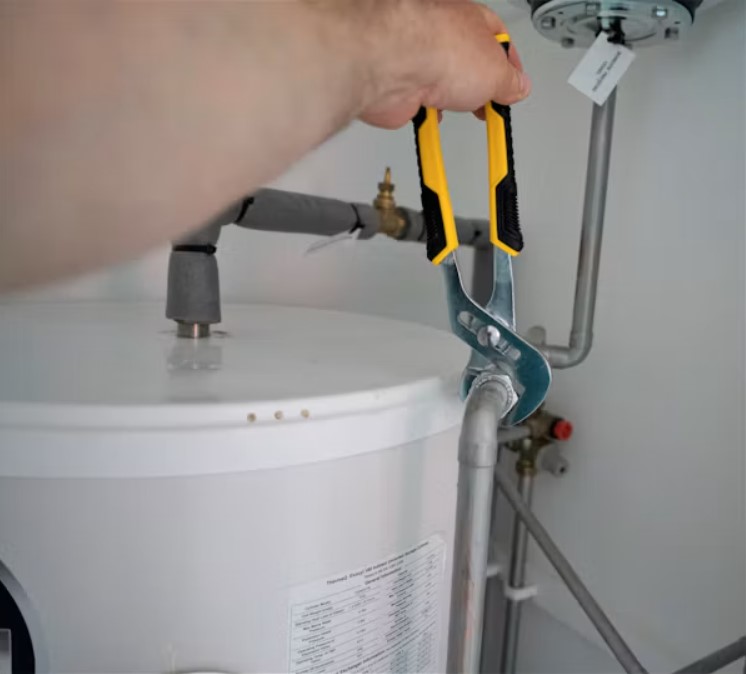
Plumbing Diagnostic Services Can Help Identify Why Your Water Heater Keeps Losing Hot Water
A water heater that keeps losing hot water points to worn heating elements, failing thermostats, sediment buildup, or household demand problems. Professional diagnosis separates small repairs from bigger decisions and shows homeowners exactly where the heat is going and why.
Few things derail a morning faster than a shower that turns cold halfway through. Phoenix hard water and extreme summer heat push tanks harder than in most places, so the problem is common across the Valley. When hot water keeps disappearing, guessing at the cause wastes time and money. Scheduling a water heater repair visit backed by a real diagnosis takes the guesswork out, because the fix depends entirely on what is actually failing inside the tank.
What Your Cold Shower Is Trying to Tell You
Sudden Loss Versus Slow Decline: A heater that quit overnight has a different problem than one fading for months. Sudden failure traces back to a dead element or a tripped limit switch. Gradual decline builds slowly and hides well. A technician handling water heater repair reads these patterns first, because the symptom history narrows the search before any panel comes off.
When Temperatures Swing Without Warning: Water that runs scalding, then lukewarm, then cold again suggests a thermostat misreading the tank or a crossed-connection in the lines. A thorough plumbing diagnostic sorts out whether the heater itself is at fault or whether the piping around it is mixing hot and cold where it should not, which changes the repair plan completely.
The Component Checkup That Ends the Guessing
Electric Models Get a Component Test: On electric units, the lower heating element does most of the work and fails first. Technicians test each element for continuity and check both thermostats against the real tank temperature. A close look at the wiring catches heat damage early. Honest water heater repair starts with measurements, not assumptions, so the part replaced is the part that failed.
Gas Burners and the Sediment Problem: Gas models bring their own suspects. A worn thermocouple, a dirty burner, or a failing gas valve can all cut heating short. Years of Phoenix hard water leave mineral sediment across the tank bottom too, forcing the burner to heat through a layer of rock before it ever warms the water.
When the Heater Is Not the Only Suspect
Demand, Distance, and Aging Pipes: Households change. A new teenager or a second daily laundry load can outpace a tank that once kept up fine. Long pipe runs lose heat on the way to the faucet, and low water pressure or a failing mixing valve can mimic heater trouble when the tank itself is perfectly healthy.
One Visit, a Clear Verdict: A complete plumbing diagnostic ends with a straight answer instead of a shrug. The findings lead to one of three paths, and each path carries its own cost picture and timeline. Homeowners get to see photos of the actual problem, hear the reasoning explained in plain English, and then decide on the next step without any pressure.
Those three paths break down like this:
- A targeted repair when one failed part explains the whole problem
- Maintenance, like a full tank flush to clear built-up sediment
- A replacement assessment for tanks near the end of their working life
Steady Hot Water, Back for Good
No one should plan their mornings around a moody tank. The sooner a trained technician traces the cause, the smaller the fix usually is, and the less damage a failing heater can do along the way. Call a highly trained technicians today, schedule a full inspection, and take back every hot shower the house owes you.
