Luxury Pooja Room Concepts Are Blending Tradition With Architectural Elegance
Homes today look different from the ones built a generation ago. Worship has not left them. It has simply moved indoors, folded into open-plan living and quiet hallways. A luxury pooja room now sits comfortably beside the kitchen or the study, treated as a planned part of the architecture rather than a small space added on at the very end.
Where Devotion Settles Into The Architecture
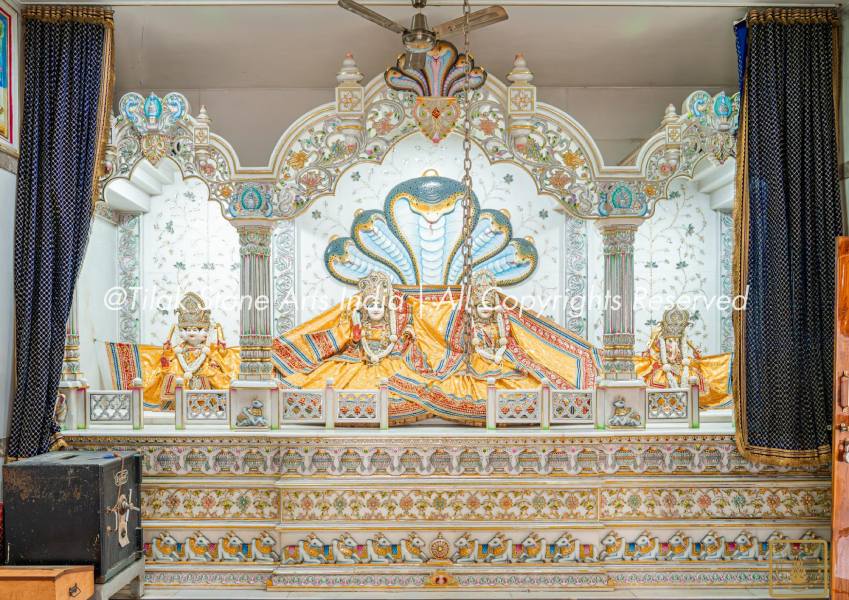
Prayer Spaces Built With Real Intent: Luxury pooja room design has grown into something deliberate and quietly architectural. Marble forms the backbone of it, carved with care and set against soft, even light. Designers now treat the prayer space as a proper room, one with its own proportions and ceiling height, shaped to hold daily ritual with a steady sense of grace and permanence.
Calm Through Restraint Not Clutter: A well-planned pooja room interior rests on restraint more than ornament. The marble is given room to breathe, its surface kept clean so the carving and the soft lamplight stay the focus. Clutter gets designed out from the start, with concealed storage holding the lamps and books that daily ritual quietly asks for. The result feels settled and unhurried.
Light, Stone And The Art Of Stillness
Placement That Respects Vastu Flow: Sound space planning decides whether a prayer space feels sacred or simply squeezed in somewhere. Orientation matters first, with many families preferring the idol to face a particular direction in line with Vastu guidance. Flow comes next, the room where movement stays calm and foot traffic does not cut across someone mid-prayer. Small decisions, lasting differences.
Lighting That Brings Marble To Life: Light is the part people tend to underestimate. A luxury pooja room comes alive when illumination is layered rather than flat, warm tones grazing the marble so its veining shows real depth at dawn and dusk alike. Harsh overhead glare flattens the stone and drains the atmosphere. A few practical choices tend to set a considered prayer space apart:
- Warm, layered lighting that lets the marble veining show through
- A raised plinth that lifts the deity and frames the room
- Concealed storage that keeps lamps and oils tidily out of sight
- A quiet colour palette that holds attention on the idol
- Gentle ventilation that carries incense away without a draught
- Carved screens that mark the space without closing it off
Choosing Marble That Outlives Trends
Stone Selected For Beauty And Calm: Material choice sits at the heart of any interior design scheme built around devotion. White Vietnam marble stays a firm favourite for its calm, even tone, while wonder white from Indian quarries offers a slightly warmer alternative. For drama, backlit onyx glows softly from within, and certain Italian marbles bring gentler, flowing veins, each choice suiting a different scheme.
Detail You Can Feel And See: Beyond the stone itself, a thoughtful pooja room interior pays close attention to the senses. The cool touch of marble underfoot and the faint scent of sandalwood both shape how the space feels during prayer. Craftsmanship shows in the small things, the crisp edge of a carved pillar or the way two slabs meet with no visible seam between them.
Bringing A Sacred Vision Into Your Home
A prayer space carries weight far beyond its square footage. Built well, in honest marble and gentle light, it becomes the calmest part of your home and something the next generation will treasure. Anyone planning one should settle the material and the layout early, working with skilled hands who understand both the stone and the devotion behind it.
