Home Water Treatment Systems Help Families Address Water Quality Issues Beyond Basic Filtration
Rust stains in the bathtub. A faint rotten egg smell from the hot tap. White crust on the kettle element. These signs turn up in thousands of rural homes, and most people shrug them off for years as a minor inconvenience. Home water treatment systems exist for exactly these problems, though few homeowners know where to start.
When Tap Water Starts Sending Signals
Every Water Source Tells Its Own Story: No two wells produce identical water. One property might struggle with iron, the neighbour with sulphur or bacteria. That is why home water treatment systems are built around the source itself, not a generic template. A system designed for municipal supply will do little for a deep well pulling hard, mineral heavy groundwater.
Lessons Borrowed from Larger Operations: Restaurants, farms, and clinics faced this reality long ago. Commercial water filtration systems treat huge volumes daily, and the engineering behind them now shapes residential equipment too. Multi stage designs, sediment pre filters, contaminant specific media. The same thinking, scaled down, gives households far better results than a single cartridge under the sink.
Matching the Fix to the Actual Problem
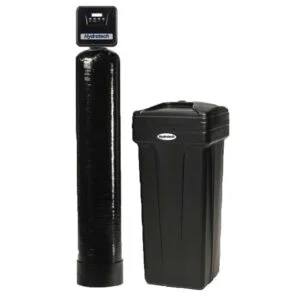
Softening Tackles Scale at Its Source: Scale on taps and dead heating elements trace back to water hardness, which comes from dissolved calcium and magnesium. A softener swaps those minerals out through ion exchange. Perhaps the most noticeable change is in the shower, where soap finally lathers properly and skin stops feeling tight. Kettles last longer too.
Deeper Cleaning for Drinking Water: Reverse osmosis pushes water through a fine membrane, stripping out lead, nitrates, and dissolved solids that carbon alone misses. UV units handle bacteria without adding chemicals. Many home water treatment systems combine several of these stages, so one setup covers taste, safety, and appliance protection. Not every home needs all of them.
Right Sizing Prevents Expensive Mistakes: Flow rate matters as much as the treatment method. A family of five running two bathrooms needs different capacity than a retired couple in a bungalow. Oversized units waste money and space. Undersized ones clog early and leave untreated water slipping through at peak demand, usually right before the morning school run.
Testing First, Spending Second
Numbers Beat Guesswork Every Time: Buying equipment before knowing what is in the water wastes money. Proper water quality testing through an accredited lab reveals the real picture, from bacteria counts to metal levels. Some results surprise people. A well that smells fine can still carry coliform, and crystal clear water can hide elevated nitrates.
Signals Worth Acting on Quickly: Lab results guide the buying decision, though everyday signs matter as well. The contaminants that push farms and food businesses toward commercial water filtration systems turn up in private wells across the same regions. None of them should be ignored for long. Between scheduled tests, keep an eye out for changes like these:
- A metallic or bitter taste that lingers
- New orange or black staining around drains
- Cloudy water that clears after standing a few minutes
- Sudden pressure drops
- Any smell of sulphur, even faint
Better Water Is Closer than It Looks
Clean, reliable water rarely comes from guesswork. Start with a proper test, read the results with someone qualified, and choose treatment that fits the actual findings rather than the loudest advert. The stains and smells will not sort themselves out. Book a water test this month and get a clear answer on what the household really needs.
