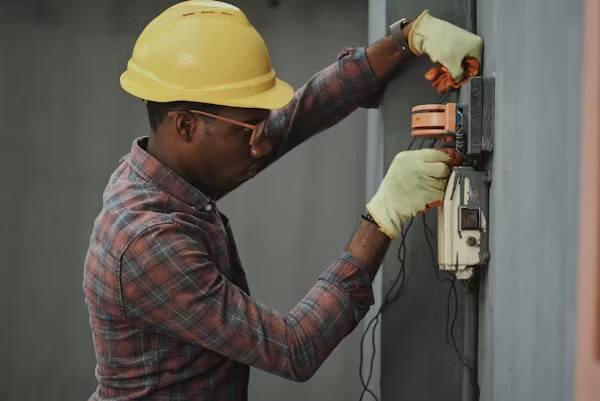
Electrical Panel Improvements Support the Safe Installation of High-Demand Home Systems
Modern homes ask far more of their wiring than they did a generation ago. Big appliances, smart devices, and constant cooling through long Arizona summers all pull power at the same time, and an older electrical panel was rarely built for that load. When capacity runs short, safety and reliability tend to suffer across the whole house.
Every High-Demand Appliance Leans on Your Panel
Capacity Sets the Ceiling for Every Appliance: Every large appliance, from the air conditioner to the electric oven, pulls current through one shared source. An undersized electrical panel cannot deliver steady power to all of them at peak demand. As more systems run at once, breakers trip, lights dim, and overall performance drops across the rooms you depend on daily.
Steady Power Keeps Hot Water Flowing: A water heater electric model heats around the clock and draws heavy current each time it cycles on. Without enough capacity behind it, recovery slows and hot water runs out faster than a busy household expects. Dependable heating really starts with a panel sized to handle that ongoing draw without strain.
Dependable Heating Begins Long Before the Tank
A Dedicated Line Protects Performance: Large heating units perform best on their own dedicated line, protected by a correctly rated circuit breaker that matches the unit’s draw. A shared or undersized connection forces the system to compete for power, which shortens its life and triggers nuisance shutdowns during the busy hours a family needs hot water most.
Matched Systems Keep Output Steady: When the electrical panel is matched to the home’s real demand, the heater holds a steady temperature and recovers quickly between uses. Voltage stays consistent, internal components run cooler, and the unit avoids the wear that comes from constant power fluctuations. Right-sized support quietly extends the life of costly equipment and protects daily comfort.
The Early Signals That Capacity Is Running Out
Overload Quietly Threatens the Whole Home: Overloaded wiring rarely fails all at once. It builds heat behind the walls, stresses connections, and slowly erodes electrical safety until a breaker, outlet, or fixture finally gives way. Thoughtful planning spreads demand across the system and adds capacity well before that pressure reaches a dangerous point inside an aging home.
Signs the System Needs Attention: Most homes give fairly clear hints when daily demand has outgrown the available supply. Paying close attention to these patterns helps a household act early, well before a minor annoyance turns into a costly repair or a genuine safety risk. Watch for these common warning signs throughout the entire house:
- Breakers that trip often or feel warm to the touch
- Lights that flicker or dim when appliances start up
- Outlets or switch plates that feel hot or look discolored
- A faint burning smell near the service area
- Frequent need for extension cords and power strips
Planning Ahead Prevents Bigger Costs: Catching these signals early gives a homeowner room to plan rather than scramble to react. A highly trained professional can map current loads, flag hidden risks, and recommend upgrades that match how the home actually runs day to day. Pairing panel work with a water heater electric replacement, for example, keeps both projects coordinated and far less disruptive.
Power a Stronger, Safer Home for Years Ahead
Coordinated upgrades give a home the strength to handle every real demand placed on it year-round. Highly trained electricians and plumbers plan panel and heating improvements together, so the work stays clean, code-compliant, and built to last. Schedule a service visit, get clear answers, and bring lasting electrical safety home today.
