The Gift That Lives On: Understanding the Meaning of Whole Body Donation
Whole body donation after death serves medical education and research by providing students and scientists with irreplaceable learning opportunities. This selfless choice advances healthcare knowledge, develops new treatments, and creates a lasting legacy that benefits future generations seeking better medical outcomes.
End-of-life planning often feels overwhelming. Families face difficult decisions during emotionally charged times. Yet some people find peace in knowing their final selfless act can advance medical knowledge and help others, long after they’re gone.
Making an Informed Choice
A Profound Decision: When I choose to donate my body to science, I offer something textbooks and simulations can’t replicate. Medical students need hands-on experience to understand human anatomy. Researchers require real tissue samples to study diseases and test new treatments. This decision fills a critical gap in healthcare education and innovation.
Understanding the Process: Whole body donation differs significantly from organ donation. Organ donation saves lives immediately by transplanting hearts, kidneys, or livers to patients waiting for life-saving procedures. Body donation, on the other hand, supports medical education and research. The entire body goes to a medical school, research facility, or training program, where it serves educational purposes for months or even years.
Contributing to Medical Breakthroughs
Advancing Disease Research: Scientists studying conditions like Alzheimer’s disease rely heavily on donated bodies to understand how the brain deteriorates over time. Brain tissue samples help researchers identify patterns, test potential treatments, and search for prevention methods. Without these donations, progress in understanding neurodegenerative diseases would slow dramatically, leaving millions of patients and families without hope for better treatments.
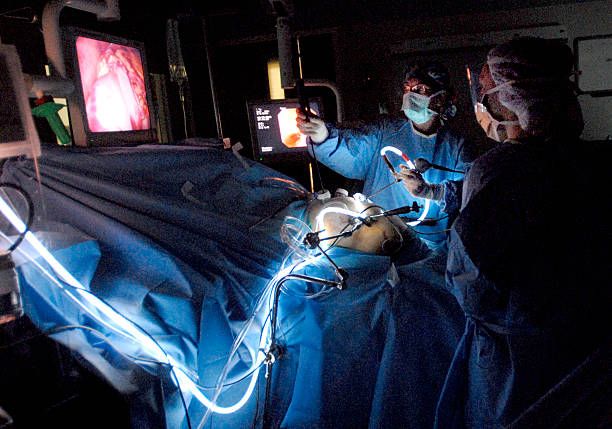
Training the Next Generation: Medical students practice surgical techniques on donated bodies before ever touching a living patient. They learn where to make incisions, how to avoid critical structures, and what normal anatomy looks like versus diseased tissue. This practice translates directly into safer surgeries and better patient outcomes when these students become practicing physicians.
Practical Considerations
What happens when I donate my body to science after death? The donation organization arranges transportation of the body at no cost to the family. The body undergoes preservation and then serves its educational or research purpose. After use, facilities typically provide cremation services and return the cremated remains to the family if requested. This process can take anywhere from several months to a few years.
Supporting Surgical Innovation: Surgeons developing new techniques for minimally invasive procedures need practice before performing them on patients. Donated bodies allow these specialists to refine their skills, test new instruments, and perfect approaches that will eventually help thousands of people. Consider the common surgical interventions we take for granted today. Many were developed and improved through countless hours of practice on donated bodies.
Creating a Lasting Impact
Planning Your Legacy: The following benefits make body donation worth considering:
- Medical schools train approximately 20,000 new doctors annually who need anatomical education
- Research facilities develop treatments for cancer, heart disease, and neurological conditions
- Surgical training programs improve techniques that reduce patient complications
- Families avoid funeral costs averaging $7,000 to $12,000 for traditional burials
Educational Value: Each donated body can teach dozens of medical students during an academic year. Those students will treat hundreds of thousands of patients during their careers. The ripple effect of one donation extends far beyond what most people imagine when making this choice.
Body donation represents more than an alternative to traditional burial. It’s an investment in medical progress that pays dividends for generations. Future doctors gain the skills they need, and researchers unlock mysteries of disease. Families find comfort in knowing their loved one’s final contribution advances healing and knowledge. If you’re considering this option, contact accredited programs to learn about registration, eligibility requirements, and what the process involves for you and your family.
Featured Image Source: https://media.gettyimages.com/id/483003883/photo/staff-photo-by-shawn-patrick-ouellette-monday-june-26-2006-surgery-technician-christina-jordan.jpg?s=612×612&w=0&k=20&c=fKNx_EU7CmCwT0IZKr1WXG75hOhxlplRJZLoTY0G11k=
