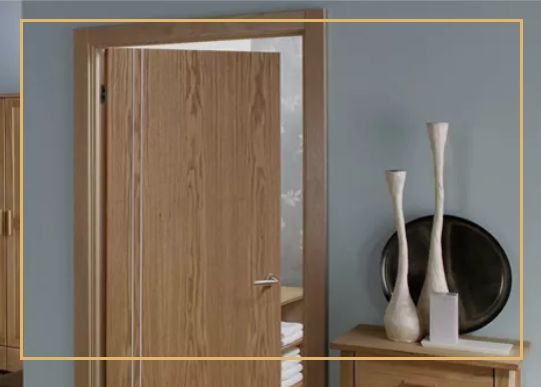
Why a Quality Flush Door Is Often More Important Than Expensive Furniture
Furniture catches the eye when someone walks into a home. People spend lakhs on sofas, dining sets, and wardrobes. But doors? They get overlooked. That’s a mistake many regret later when hinges sag, panels warp, or locks stop working properly after just two monsoons.
The Structural Reality of Doors
Built to Last Through Daily Punishment: Quality flush door manufacturers in India understand that doors face challenges furniture simply doesn’t encounter. A bedroom door opens and closes at least 15 times daily. Main doors handle temperature swings, humidity changes, and constant movement. Cheap construction shows up fast when veneer peels or the core starts failing. Professional-grade doors use moisture-resistant adhesives and properly treated timber cores that keep their shape for decades, not just years.
What Creates That Lasting First Impression: The first impression of any property starts with its doors, not the showpiece furniture inside. A sagging door frame or a panel that sticks during monsoons tells visitors more about home maintenance than any expensive sofa ever could. Doors reveal whether quality was prioritised during construction. They’re the one element that truly can’t hide poor choices because people interact with them dozens of times each day.
Functional Demands That Furniture Never Faces
Weather Resistance and Material Integrity: Doors act as barriers against rain, dust, and temperature extremes. A properly constructed flush door maintains its dimensional stability even when the outside humidity hits 90% during peak monsoon months. Furniture sits comfortably indoors, protected from these harsh conditions. The core material matters tremendously here. Particle board cores might save money initially but they swell and deteriorate when exposed to moisture repeatedly.
Security and Safety Standards: Doors need to withstand forced entry attempts and meet fire safety requirements in many buildings. That’s not something anyone expects from a coffee table or bookshelf. The hardware, locking mechanisms, and load-bearing capacity all depend on the door’s structural quality. A weak door compromises home security no matter how expensive the security system installed.
The Long-Term Value Equation
Cost Per Use Makes the Difference: Think about actual usage. An expensive dining set might host meals 300 times yearly. A main door operated 5,000 times in that same period. The maths shifts dramatically when viewed this way. Spending 15,000 rupees extra on a quality door that lasts 20 years costs less per use than furniture replaced every 5-7 years. People rarely calculate this before making purchase decisions.
Replacement Hassles and Hidden Costs: Changing furniture is relatively simple. Moving out a sofa and bringing in a new one takes an afternoon. Replacing doors means:
- Removing old frames and repairing walls
- Matching new door sizes to existing openings
- Repainting surrounding areas
- Adjusting hardware and locks
- Dealing with construction mess and dust
The disruption alone makes door replacement something most families want to avoid. Getting it right the first time saves money and stress.
Doors work harder than any furniture piece in a home. They face weather, wear, and security demands that decorative items never encounter. Choosing well-manufactured flush doors protects investments better than focusing budgets solely on furniture that may change with trends. Quality doors deliver decades of smooth operation and structural reliability. Speak with experienced door suppliers who understand long-term performance requirements before finalising construction or renovation plans.
Featured Image Source: https://goldwoodply.com/
