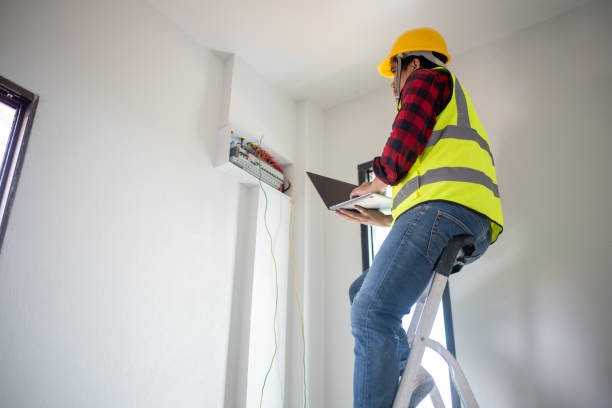
How Electrical Safety Inspections Help Protect Your Home
Electrical faults cause thousands of house fires each year in the UK. Most property owners assume their systems are safe until something goes wrong. A qualified electrician can spot problems before they escalate into dangerous situations. These inspections reveal issues that remain invisible during everyday use.
Finding the Hidden Dangers in Your Wiring
Spotting Deterioration Before It Strikes: Older properties often contain wiring that has degraded over decades. Insulation breaks down, connections loosen, and circuits become overloaded as modern appliances demand more power. The EICR certificate cost in London varies based on property size and complexity, typically ranging from £150 to £350 for residential homes. Professional inspections examine every accessible part of your electrical system to identify any weak points.
Understanding Your Investment in Safety: EICR certificates for homeowners document the condition of all fixed electrical installations, from the main consumer unit to individual sockets and lighting circuits. This expense covers a thorough examination of your installation by a registered electrician. The certificate confirms whether your system meets current safety standards. Properties with older wiring or multiple circuits may require more inspection time to access fault lines.
What Gets Checked During a Professional Review
Comprehensive System Analysis: Inspectors test residual current devices to verify they disconnect power quickly during faults. They measure earth bonding to ensure metal pipework cannot become live. Each circuit receives individual assessment for signs of damage or incorrect installation. These thorough checks reveal problems that pose genuine risks to occupants and property.
Identifying Common Faults: The inspection process uncovers various issues that compromise safety:
- Missing RCD protection on circuits in kitchens and bathrooms where water contact increases shock risks
- Overloaded circuits in properties where extensions substitute for proper additional sockets
- Old fuse boxes lacking the safety features found in modern consumer units
- Damaged cable insulation exposing live conductors to contact
- Incorrect earth bonding that fails to protect against electric shock
These discoveries get classified by severity in the final report. Each fault receives a specific code indicating how urgently it requires attention.
The Real Cost of Skipping Regular Checks
Property Value and Insurance Implications: Outdated electrical systems reduce property marketability and can invalidate insurance claims after electrical fires. Buyers increasingly request recent inspection reports before completing purchases. Some insurers require evidence of regular testing to maintain coverage. The modest cost of periodic inspections protects against far larger financial losses.
Legal Obligations for Property Owners: Landlords must provide valid certificates to tenants under The Electrical Safety Standards in the Private Rented Sector Regulations 2020. Homeowners selling property benefit from having current documentation ready. Commercial properties face stricter requirements with shorter inspection intervals. Non-compliance carries penalties reaching £30,000 in severe cases.
Reading Your Inspection Results
Satisfactory vs. Unsatisfactory Outcomes: Reports classify findings into codes indicating urgency levels. C1 marks immediate dangers requiring instant correction. C2 identifies potentially dangerous conditions needing prompt remediation. C3 notes improvements recommended for enhanced safety. Properties receiving C1 or C2 codes fail the inspection and require repairs before receiving a satisfactory certificate.
Planning Necessary Repairs: Electricians provide detailed observations explaining each fault discovered during testing. Common remedial work includes replacing consumer units, adding RCD protection, and correcting improper connections. Property owners receive specific timelines for addressing different severity levels. Retesting after repairs confirms the installation now meets required standards.
Maintaining Safety Between Official Inspections
Simple Monitoring Tasks: Check your consumer unit regularly for signs of heat damage like discoloration or burning smells. Test RCD buttons monthly to confirm they trip correctly. Replace any damaged socket faceplates immediately rather than leaving them exposed. These basic steps catch developing problems early.
When to Call an Electrician: Flickering lights, frequent circuit breaker trips, or buzzing sounds from outlets indicate potential issues requiring professional assessment. Adding new high-power appliances may overload existing circuits. Any work beyond replacing bulbs or fitting plugs should involve qualified electricians to maintain safety standards.
Securing Your Home’s Electrical Future
Regular inspections transform electrical safety from guesswork into documented assurance. Properties with current certificates demonstrate responsible ownership and avoid emergency repairs during sales or rentals. The small investment in professional testing prevents catastrophic failures that endanger families and destroy property. Schedule your next inspection before minor faults become major hazards.
Featured Image Source: https://media.gettyimages.com/id/2181375119/photo/an-electrician-is-working-on-wiring-the-electrical-system-in-a-house.jpg?s=612×612&w=0&k=20&c=Z2fMs39xH1zzDCRIJs1ynPNlICnz40HVvrBKKL6CYWU=
