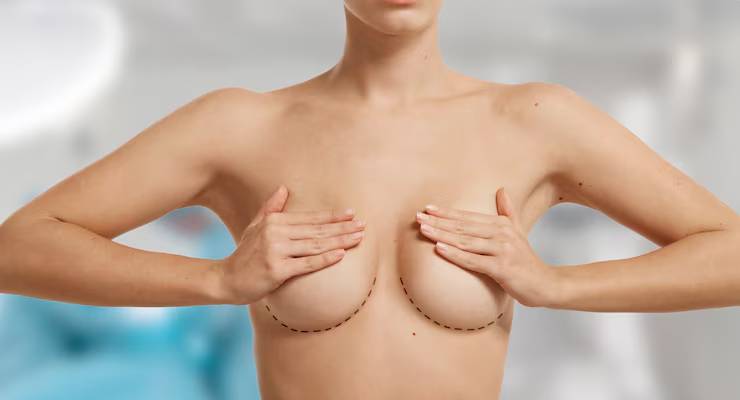
Undergoing Breast Reconstruction? Here’s How Specialists Support the Journey
The path through breast cancer treatment changes everything for women who face this challenge. Surgery saves lives, but it also leaves women facing a new reality about their bodies and self-image. The mirror becomes a reminder of what was lost during the battle against cancer. Sleep patterns shift, clothes fit differently, and relationships feel strained under the weight of physical and emotional change.
Many women discover that breast surgeons in London offer reconstruction options that go far beyond simple cosmetic procedures. These specialists understand that rebuilding isn’t just about physical appearance or meeting medical requirements. It’s about reclaiming a sense of wholeness that cancer tried to steal away from patients. The expertise goes beyond technical skill to encompass emotional understanding and comprehensive patient care.
The decision to pursue breast reconstruction brings its own set of questions and fears that can feel overwhelming. Will the results look natural and feel comfortable in everyday situations? How many surgeries will be needed to achieve the desired outcome? What if something goes wrong again during the reconstruction process? These concerns are normal and perhaps even expected after such a traumatic medical experience.
Understanding Your Reconstruction Options
Different techniques suit different situations across the reconstruction journey for each individual patient. Implant-based reconstruction uses silicone or saline devices to recreate breast shape effectively and safely. This approach typically requires fewer surgeries and shorter recovery times overall for most patients. The procedure can often be completed in stages for patient comfort and optimal healing.
Tissue-based reconstruction, known as flap surgery, uses the patient’s own tissue from areas like the abdomen or back. The results often feel more natural, though the process takes longer to complete than implant-based methods. This method involves multiple surgical sites during the recovery period, requiring careful post-operative care. Some women prefer this approach for the authentic feel it provides and long-term results.
Some women choose a combination approach that blends different reconstruction methods together for optimal outcomes. This might involve an implant with additional tissue coverage for better results and natural appearance. Staged procedures build results over time with careful planning and consideration of individual healing patterns. Each method has distinct advantages depending on individual circumstances and preferences of the patient.
The Emotional Side of Physical Recovery
Reconstruction doesn’t erase the cancer experience or immediately restore confidence for most women. Many women expect their new breast to fix everything, but healing involves more than surgical skill. The process takes time, patience, and often requires professional support during the recovery journey. Emotional healing follows its own timeline that doesn’t always match physical recovery expectations.
Body image concerns don’t disappear overnight, and some days feel better than others during recovery. Partners may need guidance on how to provide support without being overwhelming or intrusive. Children might have questions that feel impossible to answer in age-appropriate ways. The emotional journey continues long after physical healing has been completed successfully.
Support groups help many women navigate these challenges by connecting them with others who understand. Talking with others who understand the experience reduces isolation and provides practical guidance. They provide practical advice about recovery and emotional healing that medical professionals cannot always offer. Shared experiences create bonds that medical professionals cannot replace through clinical care alone.
Working with Your Surgical Team
The relationship between the patient and surgeon shapes the entire reconstruction journey from consultation to final results. Good specialists listen to concerns without rushing through consultations or dismissing patient anxieties. They explain options in clear language and set realistic expectations about outcomes and recovery. Trust builds through honest communication and genuine care that extends beyond the operating theatre.
Photography helps document the process and plan results while tracking progress throughout the reconstruction journey. Measurements ensure symmetry between reconstructed and natural tissue for the best possible aesthetic outcome. Some surgeons use 3D imaging to show potential outcomes before surgery begins, helping patients visualise results. Visual aids help patients make informed decisions about their care and feel more confident.
Regular follow-up appointments monitor healing and address concerns as they arise during the recovery process. These visits provide opportunities to discuss any adjustments needed for optimal results and patient satisfaction. Open communication prevents small issues from becoming larger problems that could affect final outcomes. The relationship continues well beyond the initial surgery and extends through the entire healing process.
Planning Your Recovery Timeline
Immediate reconstruction happens during the same surgery as mastectomy, allowing patients to wake up with the desired shape of their breasts. This approach means waking up with some breast shape already in place for psychological comfort. Though further procedures will likely be needed to refine results and achieve final outcomes. Many women find this approach helps them cope better with the initial shock of diagnosis.
Delayed reconstruction allows time for cancer treatment to be completed and healing to occur naturally. Some women prefer this approach because it lets them focus on cancer treatment first. It also provides time to research options thoroughly and make informed decisions about reconstruction methods. The delay can actually benefit some patients by allowing complete healing before additional surgery.
Recovery times vary based on the chosen technique and individual healing patterns of each patient. Most women need several weeks off work and help with daily activities during initial healing. Physical therapy may be required to restore full range of motion and strength. The timeline often extends longer than initially expected, requiring patience and realistic expectations.
Managing Expectations and Complications
Reconstruction results improve over time as swelling reduces and tissues settle into their final position. The final appearance may not be apparent for several months after the last procedure. Patients need to understand that healing is a gradual process that requires time and patience. Realistic expectations help prevent disappointment and support better emotional adjustment to the new body.
Complications can occur with any surgery, though modern techniques have significantly reduced risks overall. Infection, implant problems, or healing issues might require additional procedures or changes to the original plan. Most complications can be managed successfully with prompt medical attention and appropriate treatment. Open communication with the surgical team helps identify and address issues quickly when they arise.
Most women report satisfaction with their reconstruction results, though the process often takes longer than expected. The journey requires patience, realistic expectations, and strong support from family and medical professionals. Success is measured not just in physical appearance but in restored confidence and quality of life. The investment in reconstruction often pays dividends in improved self-esteem and emotional wellbeing.
Long-term Care and Monitoring
Reconstructed breasts require ongoing attention and regular monitoring throughout a woman’s lifetime after surgery. Implants may need replacement after 10-15 years due to normal wear or changes in technology. Tissue-based reconstructions might change shape over time as the body ages and weight fluctuates. Regular check-ups help identify any issues early and maintain optimal results over time.
Regular check-ups help identify any issues early and allow for timely intervention when needed. Some women need occasional adjustments to maintain symmetry or address changes in the opposite breast. These minor procedures can often be performed as outpatient surgery with minimal recovery time. Maintaining a good relationship with the surgical team supports long-term success and patient satisfaction.
Mammograms and other screening tests continue to be important for cancer surveillance throughout life. Though techniques may need modification for reconstructed tissue, screening remains essential for health monitoring. Patients should inform radiologists about their reconstruction to ensure appropriate screening methods are used. Regular screening provides peace of mind and early detection of any potential issues.
Beyond Physical Reconstruction
Many women find that reconstruction helps them move forward psychologically and emotionally after cancer treatment. Having clothes fit normally again reduces daily reminders of cancer treatment and its effects. Intimate relationships often improve as confidence returns and physical comfort is restored. The psychological benefits often exceed expectations and contribute significantly to quality of life improvements.
The process teaches valuable lessons about resilience and self-advocacy that extend beyond medical care. Women learn to speak up for their needs and trust their instincts about their care. This empowerment often extends to other areas of life, creating positive changes beyond reconstruction. The experience can become a source of strength and inspiration for facing future challenges.
Some discover new appreciation for their bodies and what they’ve survived during the cancer journey. Others find purpose in helping other women facing similar decisions and challenges ahead. Volunteering or mentoring can provide meaning and help process the experience in positive ways. The reconstruction journey often becomes part of a larger story of survival and growth.
Breast reconstruction offers hope for women rebuilding their lives after cancer treatment and surgery. The journey requires patience, realistic expectations, and the right surgical team to provide technical skill. Emotional support is equally important as surgical expertise in achieving successful outcomes for patients. Every woman’s path looks different, but the goal remains the same for everyone.
If you’re considering reconstruction, speak with specialists who understand both the medical and emotional aspects. Take time to explore your options and choose the approach that feels right for you. The decision should align with your personal goals, lifestyle, and expectations for the future.
Featured Image Source: https://img.freepik.com/free-photo/woman-marked-out-cosmetic-surgery_273609-14499.jpg
