Asparagus Root Extract and Triphala Extract in Nutraceutical Formulations: A Buyer’s Overview
A formulator once described a sourcing problem in a way that stuck. The specification sheet looked perfect, the sample passed, and the third shipment behaved nothing like the first. Ayurvedic botanicals can do that, and asparagus root extract falls into that category of ingredients that reward careful buyers. If your next nutraceutical line calls for traditional Indian herbs, the paperwork matters as much as the plant.
Triphala extract brings its own twist, since it comes from three fruits instead of one plant. Pairing asparagus root extract with triphala extract in one range sounds simple enough. But the buying checks for each look quite different, and that gap catches people off guard.
What Sits Behind Asparagus Root Extract
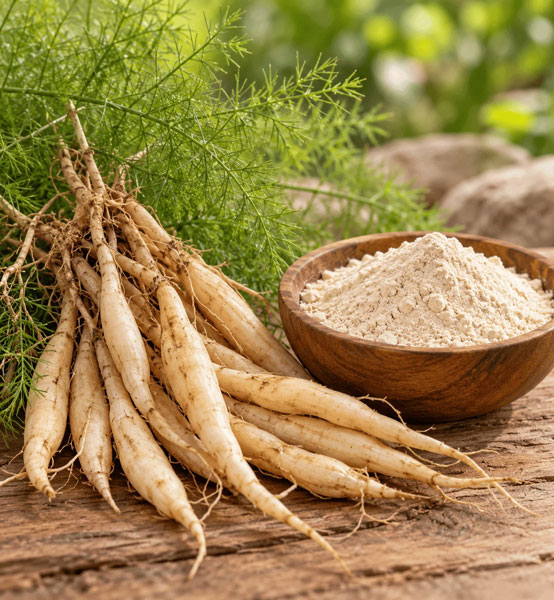
The plant here is Asparagus racemosus, better known in India as shatavari. Ayurvedic practice has used its root for centuries, and researchers have studied asparagus root extract made with water and alcohol.
Research papers often point to steroidal saponins called shatavarins as marker compounds. So a sensible first question for any supplier is simple. Which marker do they test for in their Asparagus Root Extract, and how?
One older review in the Indian Journal of Medical Sciences made a frank point. Many traditional uses of the root still lack firm scientific proof. That caution should shape how you write your own product labels, perhaps more than anything else on this list.
Triphala Extract and the Three-Fruit Formula
Triphala combines the fruits of Emblica officinalis (amalaki), Terminalia bellirica (bibhitaki) and Terminalia chebula (haritaki). Classical texts usually call for equal parts of each fruit.
Here is why that matters to you. A blend can drift. One supplier might shift the ratio, or swap in a cheaper fruit grade, and the finished extract can still carry the same name on the drum.
Ask these questions before you sign off on a triphala source:
- What ratio of the three fruits goes into each batch?
- Does the certificate list a tannin or gallic acid figure?
- Were the fruits identified by botanical name, not just local name?
Testing Questions That Apply to Both
Both ingredients come from Indian traditional medicine, and that background brings a shared concern. Reviews of Ayurvedic products have flagged heavy metal contamination as a real risk, so batch testing is not optional.
Let’s break it down into a short request list for any supplier:
- A certificate of analysis tied to the exact lot number
- Heavy metal results for lead, arsenic, cadmium and mercury
- Microbial counts and moisture content
- The extraction solvent and the drug-to-extract ratio
Is a facility certificate enough on its own? Probably not. A GMP or ISO 22000:2018 credential tells you how a site runs, yet it says nothing about one particular batch sitting in your warehouse.
Working with an Experienced Herbal Ingredient Manufacturer
ShriNanda Herbs manufactures herbal extracts and powders in Uttarakhand and runs an in-house testing facility. Its published credentials include AYUSH, FSSAI, GMP, HACCP, HALAL, STAR-K Kosher, ISO 9001:2015 and ISO 22000:2018.
Planning a formulation around Ayurvedic botanicals? Contact ShriNanda Herbs to discuss your requirements and current availability.
