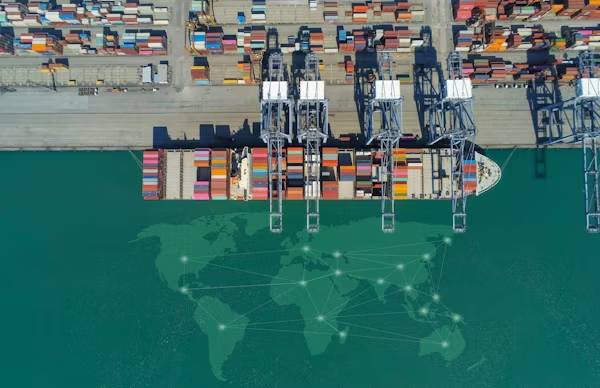
How Global Shipment Tracking Systems Are Enabling Smarter Decisions in Container Shipping
Managing container shipments across international routes has never been entirely predictable. Port delays, route changes, and persistent gaps in cargo visibility continue to pressure margins for freight forwarders and 3PL operators. The difference between a well-managed shipment and a costly one often comes down to how quickly a team can access accurate, real-time data about where their cargo is.
When Every Minute of Delay Has a Cost Attached
Seeing Each Container Move as It Happens: The ability to track shipping container movements in real time gives logistics teams a clear advantage over those still relying on carrier updates and estimated arrival windows. When a team knows exactly where a container is, whether it is sitting at a congested port or in transit to the next hub, decisions become faster and far less reactive overall.
Making the Most of Performance Metrics: A global shipment tracking system does far more than confirm a container’s location. It surfaces performance metrics, flags delays before they cascade into larger problems, and gives operations managers a clearer view of how routes are actually performing. For businesses handling multiple container movements at once, that data layer separates a well-run operation from one constantly dealing with avoidable setbacks.
Data That Moves Operations Forward
Getting Ahead of Delays Before They Escalate: Predictive analytics tools built into tracking platforms allow logistics teams to identify patterns across delay data, carrier performance, and transit times on specific trade lanes. Rather than reacting to a missed delivery window, teams can flag at-risk shipments early and act before the problem compounds. This reduces both operational pressure and the direct cost of remediation across high-value container shipments.
What Real-Time Container Tracking Delivers Across Your Operation: Businesses that invest in tracking systems see measurable improvements across several areas:
- Route performance monitoring to identify consistently underperforming trade lanes
- Inventory planning based on live cargo location rather than estimated arrival times
- Carrier accountability through documented transit time and condition records
- Faster insurance claim resolution supported by verified location and event data
Adjusting Lane Allocations With Verified Data: Businesses that analyse tracking data across multiple shipments begin to identify clear patterns in where delays occur and which routes consistently underperform. This allows procurement and operations teams to adjust lane allocations, renegotiate carrier contracts with evidence behind them, and avoid repeating costly routing decisions from one peak period to the next. Over time, that knowledge carries real financial weight.
Visibility That Works Across Every Stage of the Journey
Reducing Exposure With Boundary-Based Alerts: Geofencing capabilities within tracking platforms allow operations teams to define geographic boundaries around ports, warehouses, and transit zones. When a container moves outside expected parameters, alerts are triggered automatically without any manual checking required. This reduces exposure to cargo theft, unauthorised diversions, and compliance failures on regulated trade routes where custody and documentation records must remain accurate throughout.
Connecting Tracking Feeds to Existing Business Systems: Container tracking data becomes far more actionable when it connects directly to ERP, TMS, or WMS platforms through API links. Operations teams no longer need to toggle between disconnected systems or manually update records. The data flows where it is needed, which means decisions stop being based on cargo information that is already several hours out of date.
Building a Clearer Picture of Supply Chain Performance: Businesses that treat container tracking as a strategic resource, rather than a reactive tool, consistently build a more accurate picture of supply chain performance over time. The data accumulated across shipments reveals where delays cluster, which routes carry higher risk, and where cost exposure can be reduced. Across high-volume operations, that information is worth more than any single tracking event.
The Freight Teams That Never Stop Moving Forward
Container shipping is already complex enough. Operating without reliable cargo visibility only adds to that pressure and cost. Businesses that commit to real-time shipment tracking gain a decisive advantage, from smarter route decisions to tighter cost control. If your freight operation is ready to take full control of container visibility, exploring purpose-built tracking solutions is a worthwhile next step.
Featured Image Source: https://plus.unsplash.com/premium_photo-1661963318752-c7e105de9362?w=600&auto=format&fit=crop&q=60&ixlib=rb-4.1.0&ixid=M3wxMjA3fDB8MHxzZWFyY2h8MjV8fHN1cHBseSUyMGNoYWlufGVufDB8fDB8fHww
