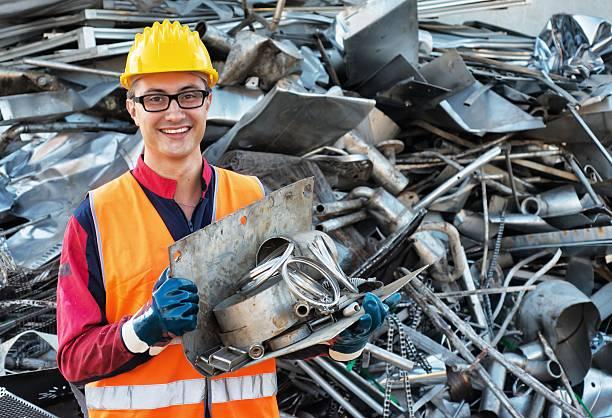
Metal Recyclers Help Commercial Sites Recover Value from Assets They No Longer Use
Ageing equipment and metal infrastructure tend to accumulate quietly on commercial sites. What was once essential to operations can become a liability, occupying space and adding no productive value. Yet many businesses overlook the fact that these assets still hold recoverable worth, and the right recycling process can turn dormant material into a financial return.
When Idle Metal Starts Costing You More Than It Is Worth
Scrap Metal Hidden in Plain Sight: Most commercial operators underestimate how much scrap metal is sitting across their site. Structural steel from renovations, copper cabling from electrical upgrades, aluminium frames from outdated fit-outs, these materials do not disappear in value simply because they are no longer in use. Leaving them in place, though, costs space, time, and money.
The Risk of Delaying the Decision: Delaying disposal is rarely neutral. Metal left exposed to the elements can corrode, creating safety concerns and reducing recoverable value over time. For businesses managing tight margins, that delay can represent a measurable loss that was entirely avoidable with earlier action.
What Professional Metal Recyclers Actually Do On-Site
Assessing Value Before Anything Moves: When professional metal recyclers attend a commercial site, the first step is assessment. They identify which materials qualify for recycling, estimate volumes, and determine the best approach for collection. This process, known as ferrous and non-ferrous metal classification, ensures that nothing of value is mishandled or mixed in ways that reduce its worth.
Efficient Collection That Does Not Disrupt Operations: Experienced recyclers understand that commercial sites cannot afford downtime. Collection is planned around site schedules, and equipment is brought in to handle bulk loads efficiently. Large-scale pickups are standard for industrial and construction clients, allowing the site to be cleared systematically without pressure on staff or workflows.
Processing and Market-Ready Preparation: Once collected, materials are sorted, processed, and prepared for resale or export. The value returned to the business depends on current commodity pricing and material condition, but the recovery process itself is typically straightforward when handled by a professional operator.
The Practical Returns Businesses Often Overlook
Financial Recovery From Existing Assets: Recycling unused metal generates direct revenue. The amounts vary depending on material type and volume, but commercial sites with significant quantities of steel, copper, brass, or aluminium can recover meaningful sums. That return is money that was already sitting on the property, simply unclaimed.
What commercial sites commonly recycle includes:
- Structural steel beams and posts from demolished or renovated sections.
- Copper wiring and piping removed during electrical or plumbing upgrades.
- Aluminium sheeting, framing, and cladding from fit-outs.
- Cast iron components from outdated machinery and plant equipment.
- Stainless steel fixtures from commercial kitchens or processing facilities.
Operational and Environmental Gains: Beyond the financial return, clearing redundant metal improves site organisation and reduces potential hazards. From an environmental standpoint, recycled metal requires significantly less energy to reprocess than producing new metal from raw ore. Businesses that recycle demonstrate measurable commitment to reducing their carbon footprint, which increasingly matters to clients, partners, and regulatory bodies.
Turning Overlooked Assets Into Measurable Outcomes
Every commercial site holds material that has served its purpose but still carries worth. Recycling that material is not just a responsible choice; it is a practical one with real financial and operational consequences. Businesses that act on this tend to free up space, reduce waste management costs, and generate returns they were not expecting. If your site has unused machinery, metal infrastructure, or structural material that needs clearing, connecting with a professional metal recycler is the most direct path to recovering that value.
Featured Image Source: https://media.gettyimages.com/id/515809685/photo/smiling-worker-in-metal-landfill.jpg?s=612×612&w=0&k=20&c=DCkD6QB9xR3O5D2pJBbWdPx6ziU8vECZO1LO_bymLn4=
