How to Ensure Compliance and Hygiene With Bathroom Rentals Near Me for Public Events
Public events mean dealing with details most guests never notice until something fails. Sanitation sits high on that worry list, right below weather and permits. Skip supplies or ignore accessibility rules and the complaints start fast. Event planners get hit hard when portable facilities miss legal standards or basic hygiene, the kind of oversight that shuts events down mid-afternoon or brings fines nobody saw coming in the budget.
Meeting Premium Standards
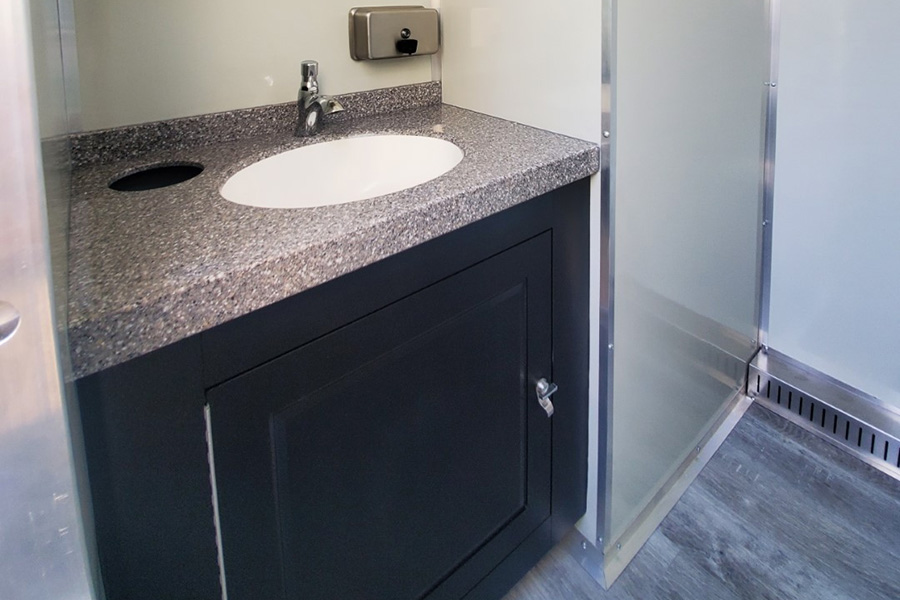
Selecting Quality Units: Luxury portable toilets pack features standard units don’t offer. Climate control keeps things comfortable when July hits 30 degrees or October drops below ten. Interiors stay bright, hand-washing stations actually work, ventilation moves air instead of just existing. Guests notice these touches at weddings, corporate events, VIP areas where bathroom quality reflects event quality. Premium units reduce complaints and prove you thought about comfort, not just crossed sanitation off a checklist.
Understanding Local Requirements: Health departments demand minimum sanitation ratios tied to expected crowds and event length. Six-hour festivals need different capacity than weekend fairs, the math changes completely. Finding bathroom rentals near me that already meet regional codes saves headaches with compliance paperwork and inspection delays. Providers who know North Bay regulations deliver units with permits sorted, capacity ratings that match requirements, documentation that satisfies inspectors without scrambling through emails at 7am on event day.
Accessibility and Placement Considerations
ADA Compliance Essentials: Accessible units follow specific rules on dimensions and features. Ramps match proper slope ratios. Interiors give wheelchairs turning rooms. Grab bars mount at heights regulations demand, not wherever seems fine. Accessible sanitation shields organisers from discrimination complaints and lets every guest attend without barriers, beyond just checking a compliance box. Put accessible units on flat ground near main paths so they’re genuinely usable, not technically present but practically impossible to reach.
Weather-Resistant Positioning: Unit placement creates as many problems as unit selection if you get it wrong. Soft ground turns to mud after rain, trapping service trucks during teardown. Direct sun bakes interiors past bearable by noon even with ventilation going. Wind carries smells straight into dining areas when you don’t think through airflow patterns. Sanitation placement logistics mean checking drainage, finding shade, mapping wind before you stake locations. Small mistakes with positioning compound fast once hundreds of people arrive.
Maintaining Hygiene Standards Throughout Events
Servicing Frequency Requirements: Day events need mid-event servicing past 200 attendees. Multi-day events require daily maintenance minimum, no skipping. Servicing covers:
- Waste tank pumping, full cleaning between services because half-measures show
- Restocking paper, sanitiser, soap that disappears faster than anyone plans for
- Interior scrubbing with actual disinfectant, not cosmetic wipe-downs that miss grime
- Checking locks, ventilation, lights that stop working when you need them most
- Debris removal, exterior cleaning so units don’t become places guests actively avoid
Monitoring and Response Protocols: Station staff to check facilities every hour, catching problems before they spread through crowds as complaints. People report issues faster when they know who handles fixes instead of just grumbling to whoever’s nearby. Keep backup supplies accessible and servicing companies reachable for quick responses, not facility failures that linger. Reputations get built on guests never seeing overflowing tanks or empty dispensers, details that stick in memory and end up in reviews.
Conclusion
Portable sanitation compliance and hygiene protect event outcomes and organisational credibility, but mostly they keep people comfortable enough to focus on why they came. Accessibility rules and maintenance schedules aren’t optional extras organisers can trim from budgets. They mark the gap between professional operations and problems people talk about later for wrong reasons.
Reach out to qualified providers early, share honest numbers about attendance and site conditions, build servicing plans that cover actual needs instead of optimistic guesses. Planning now stops complaints, penalties, reputation hits that follow you to next year’s events.
Featured Image Source: http://ktportajohn.ca/websites/ktportajohn.ca/ecommerce/products/14/images/additional/Royal-Washroom-Trailer-Inside2.jpg
