Red Flags Every Machine Safety Consultant Spots in PLC Programs (And How to Fix Them)
Manufacturing facilities depend on reliable automation to keep production lines moving and workers protected. The control logic running behind the scenes determines whether safety systems activate when needed or fail at critical moments. Small oversights in code structure can create gaps that put people at risk.
Common Programming Vulnerabilities in Industrial Control Systems
Missing Safety Interlocks Create Exposure: A PLC programmer writing control sequences faces pressure to meet tight deadlines and functional requirements. Safety logic sometimes gets added as an afterthought rather than designed into the core architecture. When emergency stop circuits lack proper interlocks, equipment can move unexpectedly during maintenance or troubleshooting activities.
Inadequate Fail-Safe Design Leads to Confusion: Bringing in a machine safety consultant reveals patterns that internal teams might overlook due to familiarity with existing systems. Consultants spot code where default states allow motion instead of forcing deliberate enable commands. Programs that don’t clearly define what happens during power loss or communication faults leave outcomes to chance.
Recognition and Remediation Strategies
Unclear Logic Paths Complicate Troubleshooting: Safety-rated functions buried within standard production code make validation difficult and increase the chance of accidental modifications. When multiple programmers work on the same system over time, commenting practices vary, and original intent gets lost. Code that seemed logical during initial development becomes a puzzle for maintenance technicians.
Common Red Flags That Demand Immediate Attention: Safety professionals look for specific warning signs that indicate potential hazards in control programs:
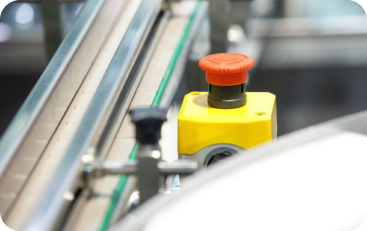
- Emergency stops that don’t latch until manually reset by operators
- Guard door interlocks with bypass logic accessible through standard HMI screens
- Safety timers with values that exceed industry-standard response requirements
- Duplicate coils controlling the same output from multiple program sections
- Missing watchdog functions that fail to detect processor or network communication errors
Insufficient Testing Protocols Miss Edge Cases: Production pressure often means testing focuses on normal operating scenarios rather than failure modes. Programs might work perfectly during standard cycles but behave unpredictably when sensors give conflicting readings. Creating comprehensive test plans that deliberately trigger fault conditions reveals whether error-handling routines actually perform as intended.
Building Reliable Safety Architecture
Standardized Code Structure Improves Consistency: Establishing templates for common safety functions reduces variability between projects and makes peer review more effective. When emergency stop logic follows a consistent pattern across all machines, electricians and technicians can quickly understand system behavior. Documentation that maps physical safety devices to specific code sections creates accountability during regulatory inspections.
Regular Code Audits Catch Drift Over Time: Small modifications accumulate as production needs change and temporary fixes become permanent features. Scheduling periodic reviews with fresh eyes catches problems before they create hazards. External consultants provide objectivity that internal teams cannot maintain when evaluating their own work under daily production pressures.
Integration with Safety-Rated Hardware Matters: The best code cannot compensate for inadequate safety-rated input modules or improperly wired circuits. Programs must account for component failure modes and verify that physical devices match the protection levels assumed in software logic. This includes proper category ratings and performance levels that align with risk assessment requirements for each machine zone.
Conclusion
Control system safety starts with disciplined programming practices and continues through ongoing verification and testing. Teams that treat safety logic as a critical engineering deliverable rather than a checkbox requirement build more reliable automated systems. Investing in proper code structure and external validation prevents the costly consequences of safety failures. Contact experienced control systems engineers to evaluate your existing programs and establish standards that protect both workers and business operations.
Featured Image Source: https://pacificblueengineering.com/wp-content/uploads/2021/07/img-4-1.png
