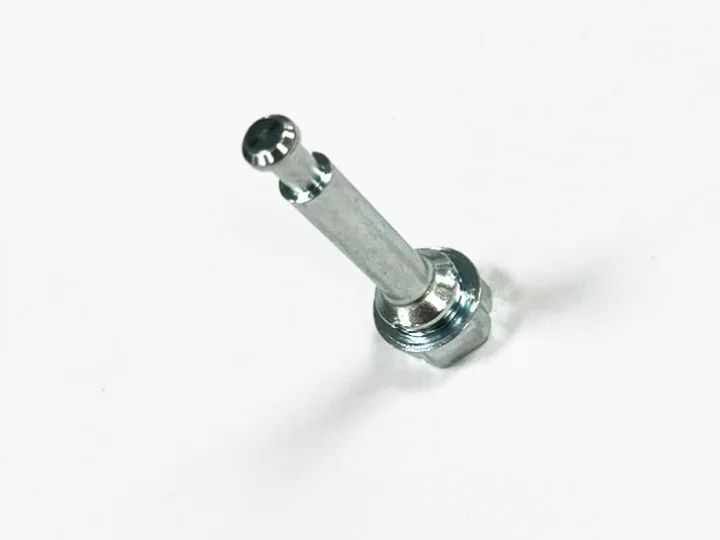
Material Selection Tips for Guide Rods and Self-Locking Bolts in Harsh Conditions
Industrial environments rarely stay kind for long. Heat cycles, moisture, airborne grit, and chemical exposure slowly test every component. Material selection often feels routine, yet it quietly decides reliability. A poor choice invites wear, loosened joints, and unplanned shutdowns. Careful selection supports consistency, extends service life, and keeps maintenance schedules predictable.
Understanding Material Stress in Harsh Environments
Guide Rod Performance Under Environmental Load: A guide rod faces constant linear movement under pressure. In damp or dusty settings, softer materials degrade quickly. Alloy steels with controlled surface hardness handle abrasion better and maintain alignment. When coatings resist corrosion, sliding motion stays smooth, reducing binding that slowly damages bearings and connected assemblies.
Self Locking Bolt Stability Under Constant Movement: A self locking bolt becomes critical in machinery exposed to vibration or thermal expansion. Standard fasteners loosen over time. Locking mechanisms paired with suitable alloys maintain clamping force. In high heat or chemical zones, material choice prevents thread deformation that silently weakens joints.
Securing Joints Where Vibration Never Stops
Resistance Beyond Basic Strength: Fasteners do more than hold parts together. Materials with proven fatigue resistance reduce the risk of sudden joint failure. This matters in rotating equipment or presses where repeated stress cycles are constant. The correct alloy absorbs movement without cracking, helping machines stay assembled longer between inspections.
Thermal and Mechanical Balance: Heat changes metal behaviour. Expansion and contraction affect alignment and torque retention. Materials chosen for stable thermal response reduce stress on joints and sliding parts. This stability helps equipment tolerate sudden temperature shifts without drifting out of specification or causing noise that signals deeper issues.
Matching Materials to Environmental Threats
Corrosion and Chemical Exposure Factors: Moisture and chemicals attack unprotected metals quickly. Selecting corrosion resistant alloys reduces pitting and thread seizure. Protective finishes extend usability in washdown areas or outdoor installations. These choices limit replacement frequency and protect surrounding components from debris caused by corrosion breakdown.
Environmental Match Checklist:
- High humidity demands corrosion resistant alloys
- Dust heavy areas benefit from hardened surfaces
- Heat exposure requires thermal stability
- Chemical zones need compatible coatings
Long Term Maintenance and Cost Control
Reducing Unplanned Maintenance Cycles: Incorrect material choices often lead to early wear that maintenance teams notice too late. Replacing components repeatedly disrupts production flow and inflates operating costs. Selecting materials designed for harsh exposure reduces inspection frequency and avoids sudden stoppages that ripple through connected systems.
Consistency Across Assemblies: Using compatible materials across rods and fasteners helps systems age evenly. Mismatched metals wear at different rates, creating alignment drift and joint stress. Balanced material selection supports predictable servicing timelines and prevents minor issues from escalating into structural failures.
Material choices shape how long machinery survives hostile conditions. When metals and coatings match the environment, downtime drops and safety improves. Reviewing exposure conditions early prevents costly repairs and performance loss. Strong material decisions protect operations before failures begin.
Featured Image Source: https://sp-ao.shortpixel.ai/client/to_auto,q_glossy,ret_img/https://upsind.com/wp-content/uploads/2024/05/Guide-rod-1.png
