Laparoscopic Surgery in Ranchi: A Complete Patient’s Guide to Minimally Invasive Procedures
Surgery sounds scary. That fear is completely normal. Most people picture large incisions, long hospital stays, and weeks of painful recovery. Laparoscopic surgery in Ranchi is changing that picture significantly.
Here is what it actually is.
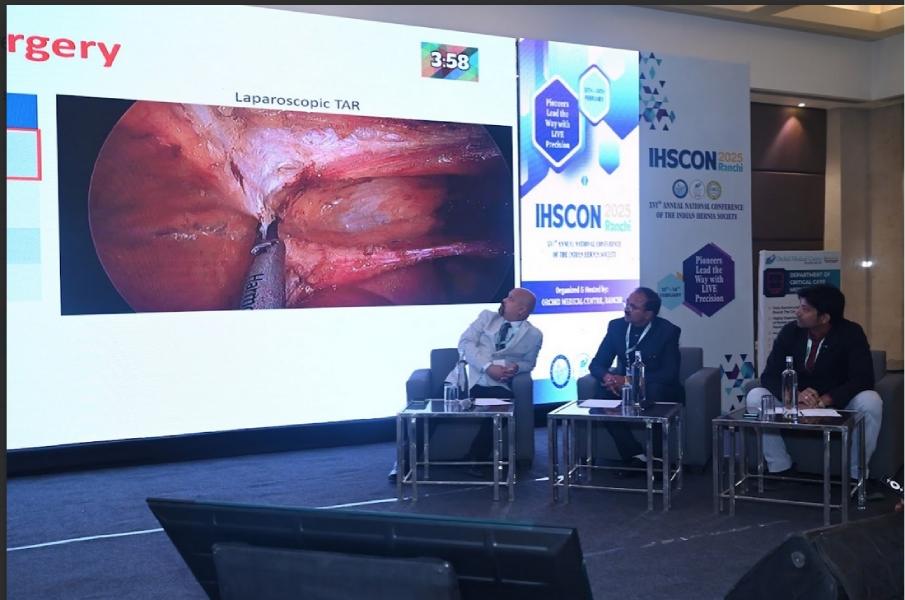
Laparoscopic surgery is a minimally invasive surgical technique now available at several hospitals in Ranchi. Surgeons make small cuts, usually less than 1 cm, and insert a thin tube with a camera called a laparoscope. That camera sends live images to a monitor. The surgeon operates by watching the screen and using small, precise instruments. No large opening. No unnecessary exposure.
The contrast with open surgery is real. Traditional surgery requires a single large incision to access the target organ. Recovery takes longer, infection risk is higher, and post-operative pain is more intense. With laparoscopic procedures, patients often go home the same day or within 24 hours.
Who needs laparoscopic surgery?
This technique covers a wide range of conditions. Some of the most common procedures include:
- Appendectomy (removal of the appendix)
- Cholecystectomy (gallbladder removal)
- Hernia repair
- Removal of ovarian cysts
- Colon and rectal surgeries
If a doctor has recommended any of these, laparoscopic surgery is worth asking about.
What does recovery actually look like?
This is where people are often surprised. Most patients return to light activity within a week. Post-operative pain is manageable with standard medication. Scarring is minimal.
That said, recovery still requires rest. Pushing too hard too soon is a mistake patients sometimes make. The smaller incisions heal faster, but the internal work still needs time.
Ranchi patients, here is something worth knowing.
Access to laparoscopic procedures in Ranchi has grown steadily over the past decade. Several medical centres in the city now offer trained laparoscopic surgeons and the necessary equipment. Patients no longer need to travel to larger metros for routine minimally invasive procedures.
Still, not every facility is equal. Before choosing a centre, ask specific questions:
- How many laparoscopic procedures does the surgeon perform each year?
- What is the conversion rate to open surgery, meaning how often does the procedure require switching to traditional surgery?
- What post-operative support does the centre provide?
These questions matter. Experience and volume directly affect outcomes.
Are there risks?
Yes. No surgery is without risk. Laparoscopic procedures carry a small chance of bleeding, infection, or injury to nearby organs. The risk of complications from anaesthesia also applies. Perhaps the most overlooked risk is surgeon inexperience. A less experienced surgeon may take longer, increasing time under anaesthesia.
This is why the surgeon’s background matters more than the facility’s appearance.
Is laparoscopic surgery right for you?
That depends on your diagnosis, your overall health, and the surgeon’s assessment. Some conditions still require open surgery. Obesity, prior abdominal surgeries, or complex anatomical factors can affect whether laparoscopic surgery is appropriate.
The right approach starts with an honest conversation with your doctor. Ask why they are recommending a particular technique. Ask what the alternative looks like. A good surgeon will explain both.
Patients who take the time to ask the right questions tend to make better decisions. The goal is not just a successful surgery. It is a recovery that lets you return to normal life as quickly and safely as possible. Hospitals in Ranchi offering laparoscopic procedures can walk you through what to expect before, during, and after surgery.
Featured Image Source: https://drive.google.com/drive/folders/1kCxmKWRKvxJAwujuCM0Msm-4fDqIAF9i
